Best Pitching Machines For Little League of 2025
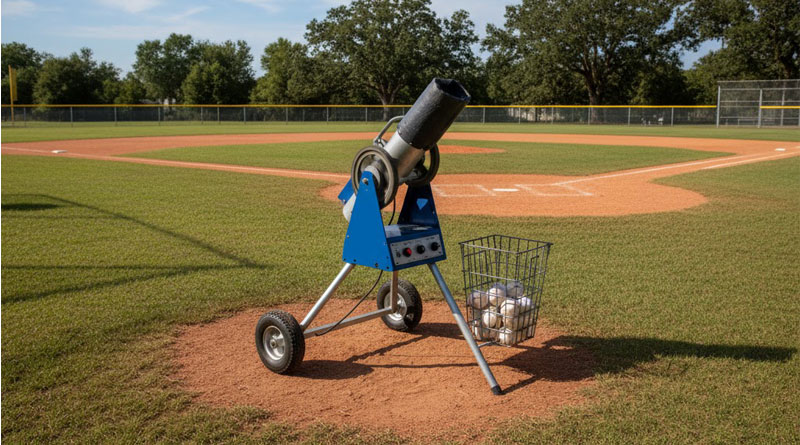
Equipping your Little League player with the right tools can make all the difference in their development, and a quality pitching machine stands out as an invaluable asset. From mastering hand-eye coordination to refining batting mechanics, these machines offer consistent practice opportunities that are hard to replicate otherwise. As players progress through different stages of Little League, their needs evolve, demanding machines that can adapt in terms of speed, ball type, and pitch variety. This guide delves into the best pitching machines available.
1. Franklin Sports Kids MLB Power Pitcher Machine

- Pitch Speed: Adjustable to 10, 15, or 20 mph
- Pitch Interval: Every 7 seconds with red light indicator
- Angle Adjustment: 3-position angle adjustment
- Ball Capacity: Feeder holds up to 9 balls, includes 4 foam baseballs
- Power: Requires 4 “C” batteries (not included)
The Franklin Sports Kids MLB Power Pitcher Machine is an excellent starting point for young baseball enthusiasts looking to hone their batting skills in a safe and engaging environment. Designed with ease of use in mind, this machine allows children to simply load the included foam balls and prepare for consistent pitches. The adjustable pitch speed settings of 10, 15, or 20 mph ensure that players can gradually increase the challenge as their skills improve. The 7-second pitch interval, coupled with a clear red light indicator, helps kids develop crucial timing and anticipation, mimicking real game scenarios and fostering confidence at the plate.
Beyond its basic functionality, this pitching machine features a 3-position angle adjustment, offering versatility to practice different types of pitches and further refine batting techniques. The inclusion of four soft foam baseballs right out of the box means less worry about stray balls causing damage, while the feeder’s capacity for up to nine balls minimizes interruptions, allowing for longer, more focused practice sessions. While it operates on four “C” batteries, which aren’t included, its portability ensures batting practice can happen almost anywhere, from the backyard to the park.
- Pros:
- Adjustable speed for progressive learning
- Safe foam balls included
- Angle adjustment for varied practice
- Cons:
- Requires 4 “C” batteries (not included)
- Max speed of 20 mph may be outgrown quickly
2. Franklin Sports MLB Electronic Youth Pitching Machine

- Pitch Interval: 7 seconds
- Indicator: Flashing red light for pitch release
- Angle Adjustment: Adjustable pitch angle
- Ball Capacity: Holds up to 9 balls, includes 6 plastic “aero strike” baseballs
- Ball Compatibility: Only compatible with included plastic balls
The Franklin Sports MLB Electronic Youth Pitching Machine offers an excellent automatic solution for young athletes aiming to sharpen their batting prowess. With a consistent 7-second pitch interval, this machine provides predictable and reliable pitches, which is crucial for developing timing, hand-eye coordination, and confidence at the plate. The integrated flashing red light serves as a clear indicator of the upcoming pitch, giving young players ample time to prepare their stance and swing, making the learning process smoother and more engaging. It effectively brings the experience of a batting cage right into your backyard, offering endless opportunities for practice without the need for a live pitcher.
A key advantage of this machine is its adjustable pitch angle, allowing players to practice against various pitch styles and trajectories. This versatility helps develop a more well-rounded hitter capable of adjusting to different situations. The machine comes with six durable plastic “aero strike” baseballs, specifically designed for safe and effective use with this unit. It’s important to note that only these included balls should be used to ensure optimal performance and safety. While the machine primarily focuses on consistent pitches for skill development, its robust design and focus on youth training make it an ideal tool for any young baseball player looking to improve their hitting fundamentals and gain a competitive edge.
- Pros:
- Consistent 7-second pitch interval
- Flashing light aids timing and preparation
- Adjustable angle for varied practice
- Cons:
- Only compatible with special plastic balls
- No explicit speed adjustment mentioned
3. Furlihong 898BH Soft Toss Machine (No Power)

- Power Source: No power supply needed (mechanical operation)
- Operation: Step-on paddle to launch ball
- Pitch Interval: 6 seconds after paddle release
- Angle Adjustment: Three adjustable angles via rear switch
- Ball Compatibility: Works with regulation baseballs
The Furlihong 898BH Baseball Soft Toss Machine distinguishes itself with a truly innovative design that requires no electrical power, offering unparalleled portability and simplicity for baseball training. This mechanical marvel operates by a step-on paddle system: a player steps on the paddle, releases it, and then waits approximately 6 seconds for the ball to launch. This unique operation method not only makes it incredibly versatile for use anywhere, from the backyard to remote fields, but also teaches young players patience and timing crucial for real game situations. Its rugged, circuit-free mechanism is designed for exceptional durability.
What truly sets the 898BH apart is its compatibility with regulation baseballs, allowing players to practice with the actual equipment they’ll use in games, fostering a more realistic training experience. The machine also features three adjustable angles, easily modified with a rear switch, making it adaptable for players of different ages and skill levels, whether they’re focusing on soft tosses, line drives, or even fielding drills. Furthermore, the design allows for expandable ball stackers, which means more balls can be loaded, reducing downtime and maximizing practice efficiency. This machine is an ideal choice for coaches and parents seeking a robust, portable, and versatile training tool that can elevate any player’s game without the hassle of batteries or power outlets.
- Pros:
- Requires no electrical power, highly portable
- Extremely durable mechanical design
- Compatible with regulation baseballs
- Cons:
- Manual operation (step-on paddle)
- Fixed 6-second delay after release
4. Furlihong 388BH Portable Beginner Pitching Machine

- Target Audience: Designed for beginners
- Balls Included: 9 training balls
- Power Options: D-batteries, power bank, or AC adapter (6V 1.5/2A)
- Angle Adjustment: 4 adjustable angles, 3 pitch angles
- Portability: Lightweight, compact, tripod compatible
The Furlihong 388BH Baseball Pitching Machine is meticulously crafted with beginners in mind, offering a user-friendly and highly adaptable tool to introduce young players to the fundamentals of batting. It thoughtfully includes 9 specialized training balls, ensuring that new players can dive straight into practice without any additional purchases. This immediate readiness, combined with its simple operation, makes it an excellent choice for fostering early interest and skill development in baseball. The machine’s design focuses on making the learning process approachable and enjoyable, helping kids build confidence and coordination from their very first swing.
One of the standout features of the 388BH is its remarkable versatility in power options. It can be powered by D-batteries for maximum cordless portability, a power bank for extended use on the go, or an AC adapter for continuous training sessions at home (note: AC adapter specifications are 6V 1.5/2A). This flexibility makes it suitable for virtually any training environment, from the backyard to remote practice fields without electrical outlets. Its lightweight and compact form factor further enhances portability, while compatibility with standard tripod stands allows for easy height adjustment, accommodating players of varying sizes.
- Pros:
- Excellent for beginners, includes training balls
- Multiple power options (battery, power bank, AC)
- Lightweight and highly portable
- Cons:
- Only compatible with specialized training balls
- No explicit speed adjustment
5. Heater Power Alley Pro Real Baseball Machine
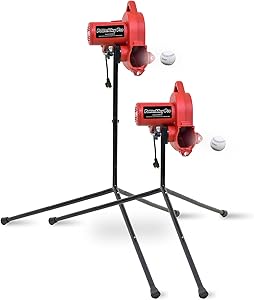
- Pitch Speed: Pitches real baseballs up to 45 MPH
- Ball Compatibility: Designed for real baseballs
- Training Modes: Batting, pitching, fielding (grounders, pop-flies)
- Construction: Tubular steel tripod, impact-resistant nylon-fiberglass housing
- Power: Standard 110V; optional PS100 Power Station for portability
The Heater Power Alley Pro Real Baseball Machine is a significant step up for Little League players ready to tackle more realistic training scenarios. Designed to pitch real baseballs at speeds up to 45 MPH, it provides an authentic game-like experience that is essential for developing advanced hitting accuracy, consistency, and reaction time. This machine isn’t just for batting practice; its adjustable pitch height allows for versatile training, including grounders and pop-flies, making it an all-encompassing tool for honing batting, pitching, and fielding skills. It challenges players to push their limits, preparing them for the faster pitches and varied plays they’ll encounter in competitive games.
Built for both longevity and stability, the Power Alley Pro features a robust tubular steel tripod stand that ensures steadfast support during intense training sessions. The lightweight, impact-resistant nylon-fiberglass housing further contributes to its durability, promising seasons of reliable performance. Despite its professional-grade capabilities, this machine remains an affordable choice within its category. For power, it conveniently uses standard 110V, but also offers the option of a Power Station (PS100, sold separately) for ultimate portability. This blend of performance, durability, and versatility makes the Heater Power Alley Pro an unbeatable choice for serious Little Leaguers.
- Pros:
- Pitches real baseballs up to 45 MPH
- Versatile for batting, pitching, and fielding drills
- Durable tubular steel and fiberglass construction
- Cons:
- 45 MPH might be too fast for very young players
- Requires 110V power (or separate battery pack)
6. Franklin Sports MLB POP ROCKET Kids Baseball Trainer

- Target Audience: Young children, teeball beginners
- Pitch Interval: Every 7 seconds
- Included: 5 plastic baseballs, 24-inch collapsible plastic bat
- Training Type: Hands-free automatic pitching
- Design: Built for safety and fun for kids
The Franklin Sports MLB POP ROCKET Kids Baseball Trainer is the ultimate starter kit designed to make learning baseball an exhilarating and accessible experience for the youngest sluggers. This comprehensive set transforms batting practice into a game of “rocket-powered fun,” perfect for children just embarking on their teeball journey. The hands-free training mechanism means no parent or coach needs to pitch; simply set up the machine, and it automatically launches a ball every 7 seconds. This consistent interval is ideal for young players to develop crucial timing, hand-eye coordination, and confidence at their own pace, fostering a love for the game early on.
What truly makes the POP ROCKET stand out as a fantastic choice for kids is its all-inclusive nature. It comes ready to play with five durable plastic baseballs and a perfectly sized 24-inch collapsible plastic baseball bat, eliminating the need for separate purchases. This ensures that children have everything they need to hit the field right away, whether in the backyard or at the park. Crafted by a trusted name in sports equipment, this trainer prioritizes safety and fun. It’s not just a toy; it’s a foundational training tool that promises hours of engaging, skill-building playtime, making it an awesome gift for any budding baseball star.
- Pros:
- Complete ready-to-play set (machine, balls, bat)
- Hands-free automatic pitching for easy practice
- Ideal for very young beginners and teeball
- Cons:
- Very basic, limited speed/angle adjustment
- May be outgrown quickly by older kids
7. Franklin Sports Kids Adjustable Hitting & Fielding Machine
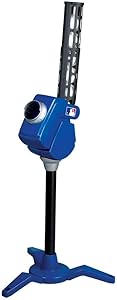
- Training Versatility: Adjustable for hitting (soft toss, fast pitch) and fielding (ground balls, pop flies)
- Pitch Interval: Every 7 seconds
- Ball Capacity: Feeder holds up to 9 balls, includes 6 compatible plastic baseballs
- Target Audience: Young players for skill development
- Power: Requires 4 “C” batteries (not included)
The Franklin Sports Kids Adjustable Hitting & Fielding Machine is an incredibly versatile tool designed to provide young baseball fans with comprehensive practice beyond just batting. This machine stands out by offering adjustable launch angles that allow for a wide range of drills, from hitting soft tosses and fast pitches to working on essential fielding skills like ground balls and pop flies. This multi-faceted functionality makes it a perfect all-in-one solution for developing well-rounded players. It’s an ideal “Super Star Batter” training aid for youngsters eager to improve every facet of their baseball game.
Consistency is key for young learners, and this pitching machine delivers with a reliable 7-second pitch interval, allowing kids to anticipate and react effectively. It comes equipped with six compatible plastic baseballs, which are safe for backyard use and perfect for little league beginners. The ball feeder can hold up to nine balls, minimizing interruptions and maximizing continuous practice time, fostering better focus and muscle memory. While it operates on four “C” batteries (not included), its portability ensures that quality training sessions can take place almost anywhere. For parents and coaches looking to introduce young players to both offensive and defensive fundamentals, this machine offers an excellent blend of adjustability, safety, and consistent performance.
- Pros:
- Versatile for both hitting and fielding practice
- Adjustable launch angles for varied drills
- Includes 6 plastic baseballs
- Cons:
- Requires 4 “C” batteries (not included)
- Only compatible with plastic balls
How to Choose Pitching Machines For Little League
For many young athletes, Little League is where their passion for baseball truly ignites. It’s a foundational stage for learning the game’s intricacies, developing critical skills, and building confidence. A pitching machine can be an invaluable asset in this journey, offering consistent, repetitive practice that a human pitcher simply cannot match. However, with a plethora of options available, choosing the “best” pitching machine for a Little League player can feel overwhelming. This guide will walk you through the essential factors to consider, helping you select a machine that perfectly matches your young athlete’s needs, skill level, and safety requirements.
Key Factors to Consider
Before making a purchase, it’s crucial to evaluate several aspects to ensure the pitching machine you choose is a wise investment for your Little Leaguer’s development.
Age and Skill Level of Players
This is arguably the most critical factor. Little League encompasses a wide age range, typically from 5-12 years old, with varying skill levels. A machine suitable for a 6-year-old beginner will be vastly different from one designed for a 12-year-old aspiring slugger. For younger, less experienced players, look for machines that prioritize safety and ease of use. These often feature slower speeds, softer balls (like foam or plastic), and simpler operation. The goal here is to build confidence and develop basic hand-eye coordination. As players mature and their skills advance, they’ll need machines that can deliver faster pitches, more complex trajectories, and utilize regulation-sized balls to simulate game conditions more closely. Some machines offer adjustable speed settings, allowing them to grow with your child’s abilities, which can be a cost-effective long-term solution.
Type of Balls (Real, Dimpled, Soft Toss, Plastic)
The type of ball a machine can throw directly impacts the training experience.
- Plastic or Foam Balls: Ideal for very young beginners. They are lightweight, reduce the risk of injury, and are safe for indoor or backyard use where space is limited. These machines typically throw at very low speeds.
- Soft Toss Machines: These machines often use a paddle mechanism to lob a ball into the hitting zone, perfect for developing fundamental batting form without the pressure of a fast-moving ball. They might use regulation or soft-touch baseballs.
- Dimpled Balls: These synthetic balls are popular for pitching machines as they are highly durable, resist deforming, and offer consistent flight paths. They are softer than real baseballs, reducing bat wear and tear, but still provide a realistic feel. They come in various weights and densities.
- Regulation Baseballs: More advanced machines can throw real baseballs, offering the most authentic practice experience. This is crucial for older Little Leaguers who need to train with the actual ball they’ll face in games to accurately judge speed, spin, and trajectory. Using real baseballs helps develop proper bat speed and power.
Pitch Speed and Adjustability
The speed range of the machine is paramount. For younger players, speeds between 10-30 MPH are appropriate. This allows them to focus on technique without being overwhelmed. For older Little Leaguers (10-12 years old), machines that can deliver pitches up to 40-50 MPH will provide a more realistic challenge, mimicking the faster pitching they’ll encounter in competitive play. Adjustable speed settings are highly recommended. A machine with variable speed will allow you to start slow and gradually increase the speed as your child’s skills improve, ensuring longevity of use and continued challenge.
Pitching Versatility (Fastballs, Curves, Grounders, Fly Balls)
Beyond just fastballs, some pitching machines offer versatility in the types of pitches they can deliver.
- Adjustable Angles: Machines with adjustable launch angles can simulate not just different pitch heights, but also ground balls and pop flies. This is incredibly beneficial for developing fielding skills in addition to batting.
- Curveballs/Sliders: While less common and often more expensive, some advanced machines can throw breaking pitches. For Little League, focusing on fastballs and straight pitches is usually sufficient, but for higher-level players nearing the end of their Little League career, this might be a consideration.
A machine that can simulate different game scenarios will provide more comprehensive training, making your player a more well-rounded athlete.
Portability and Power Source
Consider where and how you’ll be using the machine.
- Portability: If you plan to move the machine frequently between your backyard, local park, or team practices, a lightweight and easily transportable model is essential. Some machines are designed to be compact and fold down for storage.
- Power Source:
- AC Powered: These machines plug into a standard electrical outlet, offering consistent power for long training sessions. They are ideal for stationary use in a backyard or at a field with accessible power.
- Battery Powered: Offering excellent portability, battery-operated machines are perfect for fields without electrical outlets. Check the battery life and type (e.g., C batteries, D batteries, rechargeable packs) and consider the cost and convenience of replacements or recharging.
- Mechanical/Manual: Some machines require no power at all, relying on spring-loaded or foot-pedal mechanisms. These are the ultimate in portability and durability, as there are no electronic parts to fail, but they may offer less consistency or speed.
Durability and Construction Material
A pitching machine is an investment, so you want one that can withstand repeated use and outdoor conditions. Look for models made from robust materials like heavy-duty steel, impact-resistant plastics, or fiberglass. A stable base is crucial to prevent tipping during operation. Read reviews for insights into the machine’s longevity and how it holds up over time.
Safety Features
Safety should always be a top priority, especially when dealing with young children and fast-moving objects.
- Ball Enclosures: Ensure the machine has proper guards or enclosures to prevent fingers from getting caught in moving parts.
- Pitch Indicators: A flashing light or sound indicator that signals when a ball is about to be pitched gives the player crucial time to prepare and avoid being startled.
- Sturdy Base: A wide, stable base prevents the machine from tipping over during use.
- Remote Control/Automatic Feeder: These features allow the operator to stay at a safe distance from the machine while balls are being pitched.
- Appropriate Ball Type: As discussed, using the correct type of ball for the player’s age and skill level is vital for safety.
Budget
Pitching machines range widely in price, from under $100 for basic models to several hundred or even a thousand dollars for high-end, multi-function machines. Determine your budget beforehand and look for the best features and durability within that price range. Remember, a more expensive machine isn’t always necessary for younger players; sometimes a simpler, safer, and more portable option is the best fit.
Different Types of Pitching Machines
Understanding the categories can help narrow your search.
Manual Pitching Machines
These machines typically use a spring-loaded arm or a foot-pedal mechanism to launch balls. They require no electricity, making them highly portable and very durable due to fewer electronic components. They often provide softer pitches, ideal for very young beginners or for developing consistent soft-toss mechanics. Their simplicity is their strength, but they may lack the speed and consistency of electronic models.
Electronic/Automatic Pitching Machines
The most common type, these machines use electric motors (AC or battery-powered) to feed and throw balls at adjustable speeds and intervals. They offer excellent consistency and can range from basic models for beginners (10-20 MPH with plastic balls) to advanced machines capable of throwing real baseballs at higher Little League speeds (up to 45-50 MPH) with more complex pitch variations. Many come with automatic ball feeders for uninterrupted practice.
Soft Toss Machines
Specifically designed to lob balls into the hitting zone, soft toss machines are excellent for developing hand-eye coordination, timing, and proper batting form without the intimidation of a fast pitch. They are often mechanical or simple electronic devices, using various ball types, and are particularly good for repetition and fundamental skill building.
Tips for Effective Training with a Pitching Machine
- Start Slow: Always begin with the slowest speed setting to allow your player to get comfortable and build confidence. Gradually increase the speed as their skills improve.
- Focus on Fundamentals: Use the machine to practice specific aspects of batting, such as stance, swing path, contact point, and follow-through.
- Repetition is Key: Pitching machines excel at providing consistent repetition, which is vital for muscle memory and skill development.
- Vary Drills: Don’t just hit fastballs. If your machine allows, incorporate ground balls and pop flies to work on fielding skills.
- Safety First: Always wear appropriate safety gear (helmet, batting gloves) and ensure a clear, safe hitting zone. Never stand in front of the machine while it’s operating.
- Supervision: Young children should always be supervised by an adult when using a pitching machine.
Maintenance and Care
To ensure your pitching machine lasts for many seasons, proper maintenance is important.
- Clean Regularly: Dust and dirt can affect performance. Wipe down the machine after each use, especially the pitching wheels if applicable.
- Store Properly: Store the machine in a dry, covered area when not in use to protect it from the elements. If it’s battery-powered, remove batteries during extended storage.
- Check for Wear and Tear: Periodically inspect all moving parts, wheels, and connections for signs of wear or damage. Address any issues promptly.
- Use Recommended Balls: Stick to the ball types recommended by the manufacturer. Using incompatible balls can damage the machine.
Conclusion
Choosing the best pitching machine for your Little League player involves balancing their age, skill level, and specific training needs with practical considerations like budget, portability, and safety. Whether you opt for a simple, battery-operated machine for a beginner or a more advanced model that throws real baseballs, the goal remains the same: to provide consistent, effective practice that fosters skill development, builds confidence, and, most importantly, keeps the love for baseball alive. By carefully evaluating the factors outlined in this guide, you can select a pitching machine that will be a cherished and invaluable tool in your young athlete’s journey on the diamond.