Best Shoulder Braces For Basketball of 2025
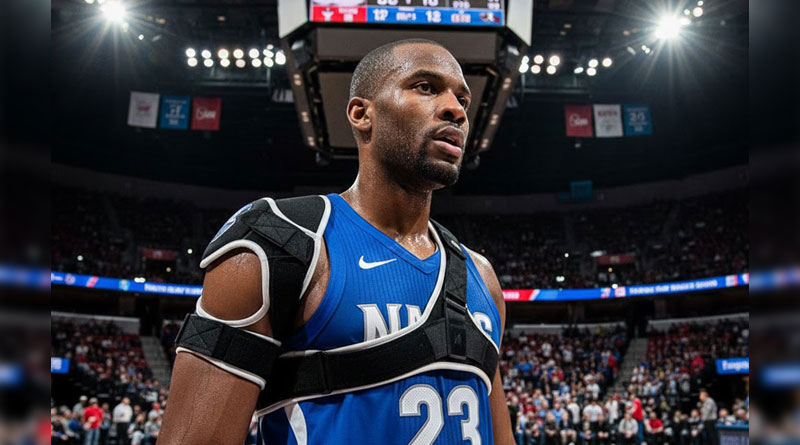
A well-chosen shoulder brace offers crucial support, aiding in injury prevention, accelerating recovery, and providing the stability needed for confident play. This guide will explore the top shoulder braces designed specifically for basketball players, helping you select the perfect option to protect your shoulders and keep you performing at your peak on the court.
1. McDavid Light Shoulder Support
- Material: Latex-free neoprene
- Design: Simple, breathable, lightweight
- Fit: Adjustable hook and loop closure straps
- Versatility: Fits either shoulder (men and women)
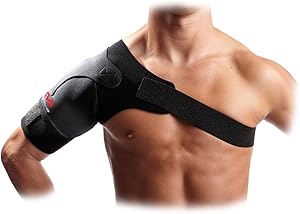
The McDavid Light Shoulder Support is engineered for athletes seeking reliable protection and pain reduction without compromising mobility. Crafted from high-performance, latex-free neoprene, this brace provides therapeutic warmth and compression to the affected area, which is vital for reducing pain associated with common basketball-related shoulder issues like arthritis, bursitis, tendonitis, or AC joint injuries. Its simple yet effective design is both breathable and lightweight. The material quality speaks to McDavid’s long-standing reputation in sports support.
One of the key advantages of this brace is its universal design, allowing it to be worn on either the left or right shoulder. The adjustable hook and loop closure straps ensure a customized and secure fit, accommodating various body types within its selected size range. This adaptability is crucial for basketball players who need consistent support that stays in place during rapid movements and intense gameplay.
- Pros:
- Lightweight and breathable for extended wear
- Provides thermal/compression therapy
- Adjustable for a custom, secure fit
- Cons:
- “Light” support may not suffice for severe injuries
- Neoprene can cause sweating in warmer conditions
2. Arctic Flex Shoulder Ice Pack Brace

- Therapy Type: Hot or cold therapy with gel pack
- Material: Latex-free neoprene blend with nonslip lining
- Adjustability: Fully adjustable with two extender straps
- Design: Reversible, low profile, machine washable
The Arctic Flex Shoulder Ice Pack Brace stands out by offering dual hot and cold therapy alongside pain-relieving compression, making it an excellent choice for basketball players dealing with acute injuries or chronic shoulder discomfort. This brace comes with a uniquely shaped Arctic Flex gel pack that remains flexible even when frozen. Whether you need cold therapy to reduce swelling and inflammation after a tough game or hot therapy to soothe stiff muscles and improve circulation before warm-ups, this versatile brace delivers. It’s particularly beneficial for issues like tendonitis, sprains, strains, or post-surgery support, providing critical stability to the joint.
Constructed from a durable, latex-free neoprene blend, the Arctic Flex brace is designed for both comfort and a secure fit. It’s fully adjustable, featuring a robust hook-and-loop closure system and two extender straps that allow for a maximum shoulder strap length of 57 inches, accommodating a wide range of body sizes. The interior is lined with a soft, nonslip material to prevent irritation and ensure the brace stays put during movement, which is essential for active individuals. Its low-profile design is reversible for use on either the left or right shoulder and can be worn discreetly under clothing or over a shirt. Plus, being machine washable adds to its convenience, ensuring hygiene after intense activity.
- Pros:
- Combines targeted hot/cold therapy with compression
- Gel pack remains flexible when frozen
- Highly adjustable with extender straps for custom fit
- Cons:
- Gel pack requires pre-freezing or heating
- May feel bulkier than pure compression sleeves
3. Shock Doctor Shoulder Brace
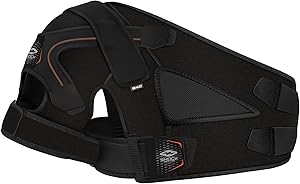
- Support Level: Moderate compression and stability
- Strap System: Two chest-wrap straps, multi-position X-Fit stabilizer
- Materials: Soft Lycra binding, stretch mesh zones, N-Tex air-flow vented neoprene
- Versatility: Anatomically designed for both left and right shoulders
The Shock Doctor Shoulder Brace is an ideal choice for basketball players seeking robust support for injury recovery and prevention, particularly for AC sprains, rotator cuff injuries, and moderate separations. This brace is engineered to provide significant compression and stability to the shoulder joint, crucial for accelerating the healing process and preventing re-injury during the dynamic demands of basketball. Its design focuses on creating a secure, yet comfortable, environment for the shoulder, allowing athletes to regain confidence in their movements. The structured support helps stabilize unstable joints and provides relief for muscle strains and ligament sprains, making it an essential tool for rehabilitation and active protection.
Comfort is key for any athletic brace, and Shock Doctor addresses this with thoughtful material choices. The brace features soft Lycra binding and stretch mesh zones that contribute to long-lasting wear without irritation. Additionally, the N-Tex air-flow vented neoprene materials provide therapeutic warmth while ensuring breathability, preventing excessive heat buildup during intense physical activity. The adjustable fit is achieved through two chest-wrap straps and a multi-position X-Fit strap retention stabilizer, allowing players to customize the compression and ensure proper positioning regardless of their body type. This anatomical design, suitable for both left and right shoulders, ensures versatile and effective support, making it a reliable partner for any basketball player looking to protect their shoulder.
- Pros:
- Strong support for AC sprains and rotator cuff injuries
- Provides consistent compression and stability
- Comfortable and breathable materials (Lycra, N-Tex)
- Cons:
- May feel slightly bulky under tight jerseys
- “For Men” in original title, might imply design bias
4. Copper Compression Recovery Shoulder Brace

- Technology: Copper-infused compression fabric
- Support Level: Immobilization for stability and pain relief
- Fit: Adjustable design for men and women
- Targeted Relief: Torn rotator cuff, AC joint pain, dislocation
The Copper Compression Recovery Shoulder Brace is designed to provide targeted support and pain relief for athletes dealing with a range of shoulder issues, from torn rotator cuffs and AC joint pain to dislocations and general arm instability. While specific material details are not fully provided, the brand is known for its copper-infused fabrics, which are often marketed to enhance circulation and support muscle recovery. This brace aims to immobilize the shoulder to a degree, helping to protect it from movements that could aggravate an injury, making it particularly useful during the initial stages of recovery or for individuals needing strong stability during less intense activities.
The brace’s adjustable nature ensures a customized fit for both men and women, allowing users to control the level of compression and support required for their specific needs. This adaptability is crucial for achieving optimal therapeutic benefits while maintaining a degree of comfort. Its primary focus on immobilization and stability means it’s excellent for preventing further injury and managing pain during periods of rest or controlled movement. For basketball players, it might be more suitable during the recovery phase or for light activities, rather than high-impact gameplay where a full range of motion is paramount.
- Pros:
- Aids in pain relief for various shoulder injuries
- Provides strong stability and immobilization
- Adjustable to fit both men and women
- Cons:
- Limited specific material details provided
- “Immobilizer” aspect may restrict active play
5. FIGHTECH Shoulder Brace

- Material: Breathable neoprene
- Support Level: Medium to strong support and compression
- Features: Pocket for hot/cold packs (not included), universal design
- Sizing: Available in four sizes, highly adjustable
The FIGHTECH Shoulder Brace is engineered to deliver medium to strong support, making it an excellent choice for basketball players recovering from or looking to prevent rotator cuff tears, bursitis, labrum tears, or general shoulder instability. By applying constant, soothing pressure, this stability brace assists in expediting the shoulder recovery process and acts as a constant reminder to avoid overextending the injured arm, which is crucial during the dynamic movements of basketball. The compression also helps alleviate shooting pain associated with stiff joints and post-operative conditions, providing comfort whether you’re active on the court or simply resting. Its robust design aims to stabilize the shoulder effectively, making it a reliable partner for rehabilitation.
Beyond its strong support, the FIGHTECH Shoulder Wrap incorporates thoughtful features for comprehensive care. It boasts a universal design, allowing it to be worn interchangeably on either the right or left shoulder, catering to a broad range of users. Available in four sizes with highly adjustable hook and loop straps, it ensures a snug and customized fit for most body types, enhancing its effectiveness. An upgraded model includes a convenient pocket for a cold or hot pack (though the pack itself is not included), enabling targeted therapeutic relief directly at the injury site. This feature allows players to combine compression with thermal therapy, optimizing recovery and pain management, making it suitable for both active use and stabilizing movement during sleep.
- Pros:
- Offers medium to strong support and pain relief
- Pocket for hot/cold therapy integration
- Universal design fits both left and right shoulders
- Cons:
- Hot/cold packs must be purchased separately
- Accurate measurement is essential for correct sizing
6. Sparthos Shoulder Brace

- Material: Ultra-strong, flexible, and breathable neoprene
- Support Level: Gentle compression and moderate stabilization
- Adjustability: Easy self-adjustment via chest and arm straps
- Features: Integrated ice pack pocket, reversible design
The Sparthos Shoulder Brace is meticulously engineered to provide gentle compression and moderate stabilization, making it an excellent solution for basketball players experiencing mild to moderate shoulder pain, inflammation, or discomfort. It’s particularly beneficial for aiding recovery from common issues like rotator cuff injuries, AC joint discomfort, and general shoulder strains. While it’s not intended for severe immobilization, its carefully designed structure provides the crucial support needed to stabilize the shoulder without overly restricting movement. This balance is vital for basketball players who require both protection and the freedom to execute a wide range of athletic motions, from shooting and passing to rebounding, ensuring comfort and confidence on the court.
Crafted from ultra-strong, flexible, and breathable neoprene, the Sparthos brace ensures maximum support and pain relief throughout the day, whether you’re engaged in intense gameplay, relaxing, or even sleeping. The premium material prevents overheating and allows for prolonged wear without discomfort, which is a significant advantage during long practices or games. A key feature is its user-friendly adjustability: the chest and arm straps can be easily customized to fit your specific body size and shape using a hook and loop system. This means you can put on and adjust the brace independently, ensuring complete support and promoting self-reliance. Additionally, the brace includes a convenient ice pack pocket for targeted cold therapy, further enhancing pain relief and recovery.
- Pros:
- Provides gentle compression and moderate stabilization
- Allows for freedom of movement crucial for basketball
- Easy to adjust independently for a perfect fit
- Cons:
- Not suitable for severe shoulder injuries requiring immobilization
- Ice pack is not included
How to Choose Shoulder Brace For Basketball
Basketball is a physically demanding sport that places significant stress on the shoulders. From explosive dunks and precise passes to aggressive rebounding and defensive plays, the shoulder joint is constantly put to the test. This high-impact environment makes basketball players particularly susceptible to a range of shoulder injuries. Choosing the right shoulder brace is not just about protection; it’s about optimizing performance, preventing re-injury, and supporting a swift return to the court. A well-selected brace can make all the difference in an athlete’s career, providing the necessary stability, compression, and confidence to play hard and stay healthy.
Why Shoulder Braces for Basketball?
The intricate movements involved in basketball, often executed at high speed, can lead to sudden strains, tears, or dislocations. A shoulder brace serves as a critical piece of athletic equipment, offering both preventative measures and recovery support. For players looking to mitigate risks or manage existing conditions, understanding the specific benefits of a brace is essential.
Common Shoulder Injuries in Basketball
Basketball players frequently encounter several types of shoulder injuries due to the overhead movements, contact, and repetitive actions inherent to the sport. These include rotator cuff strains and tears, which affect the group of muscles and tendons stabilizing the shoulder joint. AC joint (acromioclavicular joint) separations, often caused by falls or direct impact, are also common. Dislocated shoulders, where the humerus pops out of the shoulder socket, are particularly painful and debilitating. Furthermore, bursitis and tendonitis can develop from overuse, leading to inflammation and chronic pain. Each of these injuries can severely impact a player’s ability to shoot, pass, and defend, necessitating effective support.
Benefits of Wearing a Brace
Wearing a shoulder brace during basketball offers multiple advantages. Firstly, it provides crucial support and stability to the shoulder joint, limiting excessive or dangerous movements that could lead to injury. This is particularly vital for players with a history of dislocations or instability. Secondly, braces offer compression, which can reduce swelling and inflammation, enhance blood circulation, and alleviate pain, accelerating the recovery process for existing injuries. Thirdly, they provide proprioceptive feedback, meaning the brace makes the wearer more aware of their shoulder’s position, helping to prevent awkward movements. Lastly, a brace can instill confidence, allowing players to perform more aggressively knowing their shoulder has added protection.
Key Factors to Consider When Choosing
Selecting the best shoulder brace for basketball requires careful consideration of several factors, as not all braces are created equal. The ideal brace will balance support with flexibility, comfort with durability, and align with the player’s specific needs and injury status.
Type of Support
Shoulder braces offer varying degrees of support:
- Compression Braces: These are typically sleeves or wraps that provide mild support and therapeutic compression. They’re excellent for reducing swelling, improving circulation, and alleviating minor aches or strains. They allow for a full range of motion, making them suitable for active play.
- Stability Braces: Designed for moderate injuries like sprains or mild instability, these braces offer more structured support, often with straps or rigid elements to limit certain movements while still allowing functional mobility.
- Immobilizer Braces: These provide maximum restriction of movement, often used for severe dislocations, fractures, or post-surgical recovery. While crucial for healing, they are generally not suitable for active basketball play.
For basketball, players usually opt for compression or stability braces that offer adequate support without hindering performance.
Material and Breathability
The material of the brace significantly impacts comfort and performance. Neoprene is a popular choice due to its elasticity, compression properties, and ability to retain therapeutic warmth. However, for high-intensity sports like basketball, breathability is paramount to prevent excessive sweating and skin irritation. Look for braces made with moisture-wicking, breathable fabrics, or those with vented designs, like mesh zones or perforations, to keep the skin cool and dry during strenuous activity.
Adjustability and Fit
An ill-fitting brace is ineffective and uncomfortable. The best shoulder braces offer extensive adjustability, typically through hook-and-loop (Velcro) closures, multiple straps, and customizable compression pads. This allows for a snug, personalized fit that stays in place during dynamic movements. Ensure the brace can be tightened or loosened to provide the desired level of compression without cutting off circulation or causing chafing. Many braces are designed to be reversible, fitting both left and right shoulders, which adds to their versatility.
Range of Motion
For basketball, maintaining a functional range of motion is crucial. A brace that overly restricts arm movement can impede shooting, passing, and defensive plays. Players need support that allows for overhead movements, rotational flexibility, and unrestricted arm swing. Choose a brace that offers targeted support to the injured area while allowing the rest of the shoulder and arm to move freely. Compression sleeves or lighter stability braces are generally preferred over heavy-duty immobilizers for active play.
Durability and Maintenance
Basketball equipment endures significant wear and tear. A good shoulder brace should be made from durable materials that can withstand repeated use, sweat, and washing. Check for reinforced stitching and high-quality closures that won’t lose their grip over time. Easy maintenance, such as machine washability, is also a practical consideration for athletes who need to keep their gear clean and hygienic.
Specific Injury Needs
The type of injury dictates the required brace. For a rotator cuff strain, a brace providing compression and mild stability around the joint is beneficial. For AC joint pain, a brace with a specific pad or strap to elevate and stabilize the AC joint might be necessary. Always consult with a medical professional or physical therapist to get an accurate diagnosis and recommendations for the most appropriate type of brace for your specific injury.
Additional Features
Some shoulder braces come with extra features that can enhance their effectiveness. These might include pockets for hot or cold gel packs, allowing for targeted thermal therapy to reduce pain and inflammation. Anti-slip linings or silicone grips can help keep the brace securely in place during intense activity. Reflective elements, while not crucial for indoor basketball, can be a bonus for other outdoor activities.
Understanding Different Brace Types
Beyond the general categories, shoulder braces are specialized further to address different levels of support and injury types. Knowing these distinctions helps in making an informed decision.
Compression Sleeves
Compression sleeves are the lightest form of shoulder support. They typically cover the shoulder and upper arm, providing gentle compression. They are excellent for minor muscle soreness, improving blood flow, and offering a proprioceptive reminder to maintain proper form. They do not significantly restrict movement and are ideal for preventative wear or very mild, chronic discomfort during active play.
Basic Support Braces
These braces offer more targeted support than simple sleeves. They often feature adjustable straps that wrap around the chest and arm, providing a modest level of stability and compression to the shoulder joint. They are suitable for players with mild sprains, strains, or those looking for extra support during recovery from minor injuries without compromising too much on mobility.
Stabilizing Braces
Stabilizing braces are designed for moderate injuries, such as recurrent subluxations (partial dislocations) or more significant rotator cuff issues. They incorporate more structured components, like multiple straps, pads, or even mild rigid elements, to actively limit extreme ranges of motion that could lead to re-injury. While they offer stronger support, some highly dynamic movements might feel slightly restricted compared to a compression sleeve.
Immobilizer Braces
Immobilizer braces are specifically designed to severely restrict or completely prevent shoulder movement. They are used for serious injuries like full dislocations, fractures, or immediately following surgery to ensure the shoulder remains still for proper healing. These are generally not suitable for active sports like basketball, as they inhibit all necessary athletic movements. A player would transition from an immobilizer to a stabilizing or compression brace during rehabilitation.
Fitting Your Shoulder Brace Correctly
A brace’s effectiveness is heavily reliant on a proper fit. To ensure optimal support and comfort, always follow the manufacturer’s sizing guide, which usually involves measuring chest and bicep circumference. Once you have the correct size, adjust all straps evenly. The brace should feel snug and secure, providing firm compression without pinching, rubbing, or restricting blood flow. You should be able to move your arm through its functional range of motion without the brace shifting excessively. Test the brace during light activity before wearing it during a full game to ensure it feels comfortable and supportive.
When to Consult a Professional
While a shoulder brace can be an invaluable tool, it’s not a substitute for professional medical advice. If you experience persistent pain, significant swelling, loss of motion, or suspect a serious injury, it is crucial to consult a doctor, sports medicine specialist, or physical therapist. They can provide an accurate diagnosis, recommend the most appropriate course of treatment, and guide you on the best type of brace for your specific condition. Using the wrong brace or delaying proper medical attention can exacerbate an injury and prolong recovery.
Conclusion
Choosing the best shoulder brace for basketball is a strategic decision that empowers players to protect their bodies and enhance their performance. By understanding the types of injuries common in basketball, the benefits a brace can offer, and the critical factors like support level, material, fit, and range of motion, athletes can make an informed choice. Whether you need light compression for prevention or robust stability for recovery, the right brace provides the confidence and physical integrity to stay in the game and play at your best. Remember to prioritize fit and consult professionals for any serious concerns, ensuring your path to a strong, resilient shoulder on the court.