Best Wading Boots For Fly Fishing of 2025
Selecting the right wading boots is one of the most important decisions a fly fisherman can make. Your boots are the foundation of your safety and comfort on the water, providing the traction and support needed to navigate slick, uneven riverbeds. A great pair of boots will feel comfortable and secure, allowing you to focus on your cast without worrying about your footing. From rugged soles that grip mossy rocks to durable materials that withstand constant abuse, the best wading boots are built to be reliable partners on any fishing adventure, ensuring you stay safe and stable no matter where the river takes you.
1. BASSDASH IMMERSE Wading Boots

- Sole: Rubber outsole with exclusive cleat pattern and EVA midsole
- Materials: Breathable mesh, PVC leather, PU leather, and reinforced rubber caps
- Comfort: Padded ankle collar and shock-absorbing midsole
- Features: Strategic drainage holes and front/back pull-straps
The BASSDASH IMMERSE Wading Boots are a great choice for fly fishermen who need a lightweight yet durable boot for long days on the water. At only 43.7 ounces per pair, they are designed to reduce fatigue and make your movements more nimble. The boots are built with a combination of breathable mesh, PVC, and PU leather, enhanced with double-stitched seams to ensure they can withstand constant exposure to water and abrasion from rocks. The reinforced rubber toe and heel caps provide crucial protection for your feet, a must-have for navigating uneven and rocky riverbeds.
In terms of performance, the boots feature a grippy rubber outsole with an exclusive cleat pattern that provides excellent traction. A durable and shock-absorbing EVA midsole adds greater structural support and is resistant to UV radiation and cracking, ensuring the boots hold up over time. For added comfort, a padded ankle collar provides extra support and cushioning, while a long lace system allows for a perfect, secure fit. The boots also include strategic drainage holes and webbing pull-straps for quick and easy wear, making them a very user-friendly option for any angler.
- Pros: Extremely lightweight; great traction with rubber cleats; durable and reinforced materials; quick-draining and easy to care for.
- Cons: Rubber sole may not provide the same grip on slimy, algae-covered rocks as a felt sole; requires air-drying after use.
2. FROGG TOGGS Men’s Rana Elite Wading Boots
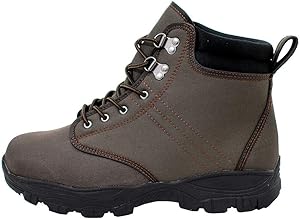
- Sole: Felt or Lugged outsoles available
- Upper: Water-draining 1000-denier Nylon upper
- Comfort: Padded boot collar and EVA midsole
- Closure System: Polymer lace loops with brass speed hooks
The FROGG TOGGS Rana Elite Wading Boots are a reliable and versatile option designed for fly fishermen who want a choice in traction. These boots are available with either a felt or a lugged (rubber) outsole, allowing you to choose the best option for your specific fishing environment. The felt sole provides exceptional grip on slippery, algae-covered surfaces, while the lugged sole offers greater versatility on a variety of terrains, from trails to riverbanks. This choice is a major plus for anglers who fish in different locations and want to customize their gear for maximum safety.
The boots are built with a water-draining 1000-denier nylon upper, which keeps them lightweight and nimble. A protective internal toe cap adds a layer of safety, shielding your feet from impacts. For comfort, a padded boot collar provides protection and support around the ankle, and a durable one-piece outsole and EVA midsole offer cushioned comfort for long days on the water. The speed lace system with polymer lace loops and brass speed hooks is a great feature that allows for a fast and secure fit, so you can easily get the boots on and off without a fuss. The Rana Elite boots are a solid choice for any angler looking for a durable, comfortable, and customizable boot.
- Pros: Choice of felt or lugged soles; lightweight and nimble design; durable nylon upper; fast and secure speed lace system.
- Cons: Felt soles are banned in some locations; lugged sole may not grip as well as felt on extremely slick rocks.
3. Paramount Outdoors Stonefly Fly Fishing Boot

- Sole: Cleated rubber with recessed stud insert points
- Included: Steel wading studs for customizable traction
- Protection: Reinforced Rock Jam toe cap and stiff reinforced midsole
- Sizing: Designed to be worn with stockingfoot waders without sizing up
The Paramount Outdoors Stonefly is a durable and reliable wading boot that is perfect for fly fishermen who need maximum traction in a variety of conditions. The boots feature a cleated rubber outsole with recessed stud insert points, and they come with steel wading studs included. This is a huge benefit, as it gives you the option to wear the boots with or without the studs, allowing you to customize your grip for maximum traction on slick rocks and in moving water. The cleats and studs work together to provide a level of security that is simply unmatched on challenging riverbeds.
In terms of protection and durability, the Stonefly is built to last. It features a reinforced Rock Jam toe cap that, combined with a stiff reinforced midsole, provides lasting protection for your foot from impacts with rocks and debris. The boots are also designed with a reinforced heel pull for easy on and off and a padded collar for a comfortable fit around the ankle. A convenient gravel guard D-ring attachment point helps keep sand and debris out. The Stonefly is also designed to be worn with stockingfoot wader booties without the need to go up in size, which simplifies the buying process and ensures a perfect fit. For a high-performance, long-lasting boot, the Stonefly is an excellent choice.
- Pros: Includes studs for customizable traction; durable and protective design; no need to size up for waders; comfortable and supportive.
- Cons: Cleats can be hard on boat decks; heavier than a lightweight sneaker-style boot.
4. FROGG TOGGS Men’s Hellbender Wading Boot

- Sole: Felt or Cleated soles available
- Upper: Water-draining, lightweight mesh and PVC with reinforced toe and heel caps
- Comfort: Polyurethane midsole, wide wading last, and padded ankle collar
- Closure System: Speed laces with a locking lace clip
The FROGG TOGGS Hellbender Wading Boot is a versatile and affordable option that offers a great combination of traction, comfort, and durability. The boots are available with either a felt or a cleated sole, giving you the choice to match your fishing environment and provide the best traction on wet rocks, gravel, and mud. The lightweight mesh and PVC upper is designed to drain water quickly, which keeps the boots from getting waterlogged and heavy during a long day of wading. Enhanced toe and heel caps provide protection for your feet, a crucial feature for safety on the river.
The Hellbender is also built with a focus on comfort. The boots are constructed with a wide wading last, which adds support and stability and provides a roomy fit that is great for anglers with wide feet or those wearing thick socks. A polyurethane midsole offers cushioned comfort, and a padded ankle collar ensures a comfortable fit and prevents rubbing. The speed lace system with a locking lace clip allows for a fast and secure fit, so you can easily get the boots on and off. For a dependable, well-priced boot that offers a variety of key features, the FROGG TOGGS Hellbender is a solid choice for any fly fisherman.
- Pros: Affordable with a choice of soles; comfortable wide wading last; fast-draining and lightweight; secure speed lace system.
- Cons: Felt soles are banned in some regions; not as durable as premium-brand boots.
5. Foxelli Wading Boots

- Sole: Rubber sole with shock-absorbent midsole
- Materials: Soft microfiber, tear and abrasion-resistant plaid nylon
- Comfort: Removable OrthoLite insoles and flexible upper
- Durability: Sturdy and well-constructed with a nice fit and finish
The Foxelli Wading Boots are a great choice for fly fishermen who prioritize comfort and a lightweight feel. Made of soft microfiber and breathable plaid nylon, these boots are designed to make your fishing outings more comfortable. The flexible upper material allows for freedom of movement and a better fit, which is a huge advantage over rigid boots. The removable OrthoLite insoles provide relief and protection, and the shock-absorbent midsoles minimize the impact on your joints from walking on hard, rocky ground. This combination of features is perfect for reducing foot fatigue during a full day of fishing.
Beyond comfort, the Foxelli boots are also built to be durable and reliable. They are well-constructed and designed to hold up in various conditions and water flows. The tear and abrasion-resistant materials ensure they can withstand the rigors of fly fishing. The rubber sole provides a good level of grip on wet and slippery surfaces, making them a versatile choice for a variety of environments. While they may not have the premium features of a top-tier boot, the Foxelli Wading Boots deliver on both quality and performance, making them a great option for anglers looking for a dependable and comfortable boot at an affordable price.
- Pros: Very lightweight and comfortable; removable OrthoLite insoles; durable and abrasion-resistant; good value for the price.
- Cons: Lacks the extreme traction of a felt or studded sole; not a dedicated wide model.
6. Kylebooker Men’s Fishing Wading Boots

- Sole: Non-slip felt soles
- Materials: Mesh upper with reinforced toe and heel
- Comfort: Super lightweight, breathable, and quick-draining
- Protection: Padded ankle collar for extra support
The Kylebooker Men’s Wading Boots are a fantastic choice for fly fishermen who need a super lightweight and comfortable boot with excellent traction. The boots come equipped with non-slip felt soles, which provide superior traction and an excellent level of slip resistance on mossy rocks, downed logs, and muddy bottoms. This is the ideal sole for anglers who fish in environments where maximum grip on slick surfaces is the top priority. The boots are designed to be extremely lightweight, breathable, and quick-draining, which all contribute to a comfortable and enjoyable experience on the water.
In terms of protection and support, the Kylebooker boots are well-designed. A reinforced mesh upper with a reinforced toe and heel reinforces the protection of your foot, guarding against impacts from rocks and debris. A padded ankle collar provides extra support and protection, which is crucial for stability on uneven terrain. These boots work great in all wading conditions and are a solid, budget-friendly option for any angler who needs a dependable boot that prioritizes comfort and grip. They are a great entry-level boot for someone just getting into the sport or an excellent backup pair for an experienced angler.
- Pros: Excellent traction with felt soles; very lightweight and comfortable; reinforced toe and heel for protection; great value for the price.
- Cons: Felt soles are banned in some locations; less versatile on dry land and in mud; not as durable as a high-end boot.
7. Korkers Greenback Wading Boots

- Sole: OmniTrax Interchangeable Sole System (Felt and Kling-On included)
- Closure System: Quick Cinch laces for a secure fit
- Drying: Hydrophobic materials with internal drainage
- Durability: Abrasion-resistant materials and strategic seam locations
The Korkers Greenback Wading Boots are an outstanding choice for fly fishermen who want the ultimate in versatility and performance. The most significant feature is the OmniTrax Interchangeable Sole System, which allows you to switch between a felt sole and a Kling-On sticky rubber sole (both included with the boots). This is a game-changer, as it gives you the ability to customize your traction for any environment, from slick, algae-covered rocks to muddy riverbanks and dry trails. This system ensures you always have the right tool for the job, no matter where your fishing takes you.
In addition to the innovative sole system, the Greenback boots are packed with other essential features. The Quick Cinch laces provide a fast and secure custom fit, which is especially useful when your hands are cold or wet. The boots are built with hydrophobic materials that mean faster dry times, which not only keeps them lightweight but also lessens the chance of spreading invasive species. Internal drainage channels and midsole ports quickly remove excess water and weight, which prevents waterlogging. The boots are also built to be durable, with abrasion-resistant materials and strategically located seams to minimize wear. The Korkers Greenback is a top-tier choice for any angler who wants a versatile, durable, and high-performance boot.
- Pros: Interchangeable soles for ultimate versatility; fast-drying and lightweight; secure and easy-to-use lace system; durable and abrasion-resistant.
- Cons: Higher price point than most other boots; the interchangeable sole system requires a bit of maintenance.
How to Choose Wading Boots for Fly Fishing
For any fly fisherman, wading boots are arguably the most important piece of gear you’ll own, second only to your waders. They are the foundation of your safety and comfort on the water, providing the crucial traction, support, and protection you need to navigate challenging river environments. The wrong boots can lead to a long day of discomfort, or worse, a dangerous fall on a slick, mossy rock. With a wide range of options available, from lightweight sneakers to rugged, high-top boots, choosing the right pair can feel overwhelming. This guide will walk you through the essential factors to consider, ensuring you can find a pair of wading boots that will serve you well for years to come and allow you to focus on what matters most: the fishing.
Key Features of a Great Wading Boot
When selecting wading boots, it’s vital to prioritize a few key features that are non-negotiable for safety and performance. These features are what separate a good boot from a great one and will determine your confidence on the water.
Traction: Sole Type Matters Most
Your boot’s sole is its most critical component. It is your direct link to the riverbed and the primary factor in preventing a slip or fall. The two most common types are felt and rubber, with each offering distinct advantages.
Felt Soles vs. Rubber Soles
For decades, felt soles were the industry standard for fly fishing. Felt’s fibrous material conforms to the shape of a rock, providing an exceptional grip on slick, algae-covered surfaces. For anglers who fish in high-gradient streams with a lot of slimy rocks, felt offers unparalleled traction. However, felt has several major drawbacks. It provides very poor traction on mud, snow, and dry land, and it’s notorious for absorbing and transporting invasive species, which has led to bans in many states. If you choose a felt sole, be prepared to clean your boots meticulously after every outing.
In recent years, rubber soles have advanced significantly and are now the most popular choice. Modern “sticky” rubber compounds are designed to provide a high level of grip on wet surfaces. Rubber is more versatile than felt, performing well on a variety of terrains, from dry trails to muddy riverbanks. They are also much easier to clean and don’t pose the same risk of spreading invasive species. For most anglers, a good quality rubber sole is the best all-around option, providing a great balance of versatility and grip.
The Power of Studs and Cleats
For the ultimate traction, many rubber-soled boots are compatible with screw-in studs or cleats. These metal spikes, often made from tungsten carbide, bite into rocks and ice, providing an incredible level of grip that surpasses even felt. Adding studs to a rubber-soled boot gives you a hybrid that combines the versatility of a rubber sole with the superior traction of a felt sole. This is an ideal solution for anglers who frequently fish in slick, challenging conditions. Just be mindful that studs can damage boat decks and car interiors, so you may want to remove them when you’re not on the water.
Fit, Support, and Protection
Once you’ve decided on the right sole, the boot’s fit, support, and durability are the next most important factors. A poorly fitting boot can lead to foot fatigue, blisters, and instability.
The Proper Fit
Wading boots are meant to be worn over the neoprene booties of your waders, which adds significant bulk to your feet. When shopping, always try on boots with your waders and the socks you plan to use. The boots should feel snug but not tight. You should have enough room to wiggle your toes, but not so much that your foot slides around inside the boot. Many manufacturers design their boots to be worn over waders, so you typically don’t need to size up more than one full size from your street shoe size. The lacing system should allow you to get a secure, customized fit that holds your foot in place and provides ample support.
Ankle and Arch Support
Wading in a river means walking on uneven, unstable surfaces. A boot with excellent ankle support is essential for preventing sprains and twists. Look for a boot with a stiff, supportive heel counter and a well-padded ankle collar. A supportive arch is also crucial for reducing foot fatigue during long days of wading. A good boot will feel like a natural extension of your leg, providing the stability you need to move with confidence through the water.
Durability and Reinforcement
Fly fishing boots take a beating. They are constantly exposed to water, rocks, and debris. The best boots are made from durable, abrasion-resistant materials like synthetic leather, thick nylon, or PVC. Look for reinforced areas, especially a sturdy toe cap and heel, which protect your foot from impacts with rocks. Check for double-stitched seams, as these are a common failure point on a low-quality boot. A durable boot will not only last longer but will also provide a higher level of protection on the water.
Additional Features for Convenience and Performance
Beyond the core features, a few other elements can enhance your experience and the longevity of your boots.
Drainage and Drying Time
A boot that drains and dries quickly is a more comfortable boot. Look for boots with mesh panels or strategic drain ports that allow water to exit the boot easily. This prevents the boots from getting waterlogged and heavy, which can make your feet feel tired and less stable. A quick-drying boot also helps to prevent the growth of mold and mildew, keeping your boots smelling better and lasting longer.
Gravel Guards
Many wading boots come with a D-ring or an attachment point for a gravel guard. This simple feature helps to prevent sand, small rocks, and other debris from getting into your boots and waders, which can cause discomfort and damage the neoprene booty of your waders. It’s a small detail that can make a big difference in your overall comfort and the lifespan of your gear.