Best Baseball Gloves for Outfield of 2025
Finding the right outfield glove can make a big difference in your game. Outfielders need gloves with longer reach. These gloves help catch fly balls and line drives. They usually have deeper pockets for better ball control. Comfort and fit are also very important. A glove that’s too heavy or stiff can slow you down. The best outfield gloves are lightweight, strong, and easy to break in. In this guide, we review the top outfield gloves available today. Whether you’re just starting or already play often, there’s a glove here for you. Read on to find the perfect outfield glove for your needs and skill level.
1. Franklin Sports ProFlex

-
Material: Premium cowhide palm with PU-laminated PVC hybrid shell for durability
-
Fit: Adjustable wrist strap for a custom and secure fit
-
Break-In Time: Pre-treated for immediate game use with no break-in needed
-
Design: 13″ outfield glove with Basket Web pattern for enhanced flexibility
The Franklin Sports ProFlex glove blends smart construction with impressive durability, making it a solid choice for baseball, softball, or even t-ball. Its hybrid build—combining a strong cowhide leather palm with a PU-laminated PVC shell—gives the glove a sturdy yet flexible feel. The stitching and embedded design show clear attention to detail, and the overall craftsmanship suggests long-term use even under frequent play. The glove’s 13″ size and Basket Web pattern make it especially ideal for outfielders who need reach and control while catching fly balls or line drives.
What really sets the ProFlex apart is its game-ready construction. Thanks to special pre-treatment, it doesn’t require the usual break-in period, so it can be taken straight from the package to the field. The adjustable wrist strap allows players to get a snug, personalized fit, adding to its comfort and functionality. Whether you’re into slow-pitch, fast-pitch, or casual weekend games, this glove offers both reliability and style. Overall, it’s a well-crafted glove that’s built for action and longevity.
Pros:
- No break-in period needed
- Strong leather and stitching for long-term use
- Comfortable, adjustable wrist fit
- Suitable for multiple sports and playing styles
Cons:
- PU-laminated shell may not feel as premium as full leather
- Slightly large for younger players or those with small hands
See the Franklin Sports ProFlex
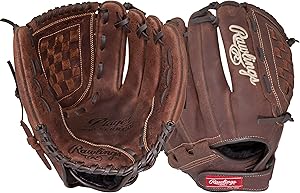
2. Rawlings Player Preferred Ball Glove
-
Size: 33-inch adult catcher’s mitt for baseball and slowpitch softball
-
Web Design: One-piece solid web for consistent control
-
Leather: Full-grain leather for lasting durability
-
Padding: Zero Shock palm padding for added impact protection
The Rawlings Player Preferred glove is a dependable choice for recreational players looking for comfort, protection, and longevity without breaking the bank. The full-grain leather shell gives the glove a high-quality feel and helps it maintain its shape through extended use. It comes close to game-ready but still requires a bit of break-in—probably closer to a 60/40 factory-to-player ratio. Once broken in, the glove molds well to the hand and performs reliably in casual or weekend games.
The mitt includes an adjustable wrist strap, allowing for a more customized fit, especially helpful for adult players with different hand sizes. The palm padding is effective enough to reduce sting from routine throws, making it suitable for those still building confidence behind the plate. While it’s not designed for high-performance competition, it works very well for dads, casual catchers, or players returning to the game after a break.
Pros:
- Durable full-grain leather shell
- Versatile for both baseball and softball
- Comfortable fit with decent padding
- Great value for recreational players
Cons:
- Longer break-in period than advertised
- Not ideal for advanced-level catchers
See the Rawlings Player Preferred Ball Glove
3. Mizuno Prospect PowerClose

-
Leather: Full-grain pigskin leather for enhanced durability
-
Palm Lining: ButterSoft PU palm for comfort and control
-
Moisture Control: MZO lining to wick away sweat
-
Back Design: Air mesh back for breathability and flexibility
The Mizuno Prospect PowerClose is a solid pick for young players new to baseball. It’s built to be easy to use and forgiving, with soft leather and flexible materials that make the glove comfortable and game-ready right away. The pigskin leather feels nice for the price and holds up for typical youth practices and games. The palm liner is soft and cushioned, which boosts confidence when catching.
However, sizing can be tricky. Although some models list a 13-inch length, the actual fit is smaller—better suited for players under 10. While the glove performs well for beginners, the synthetic parts, like the faux leather trim, do look a little cheap. That said, it’s hard to beat for the value. It’s lightweight, breathable, and does the job for young players learning the game.
Pros:
- Comfortable and flexible for new players
- Quick and easy break-in
- Good moisture control and airflow
- Budget-friendly
Cons:
- Smaller than advertised
- Some materials look lower quality
See the Mizuno Prospect PowerClose
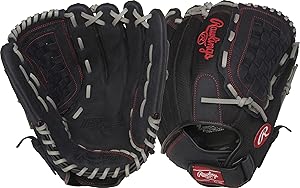
4. Rawlings Renegade
-
Size & Type: 14″ outfield glove designed for adult baseball and softball players
-
Material: Leather palm with lightweight pro mesh back
-
Break-In: 90% factory break-in, 10% player break-in required
-
Protection: Cushioned palm and index finger pads for sting reduction and added comfort
The Rawlings Renegade is an ideal budget-friendly glove for adult recreational players looking for comfort, durability, and performance. With a 14″ size and basket web design, it’s built for outfielders who need extra reach and flexibility. The leather palm feels thick and protective, especially against fast, stinging hits, while the cushioned padding in the palm and index finger adds a nice layer of impact protection. The glove is game-ready out of the box thanks to its 90% factory break-in, requiring only a bit of personal shaping to fine-tune the pocket.
Its lightweight pro mesh back contributes to faster glove movement and less fatigue, and though nylon-backed gloves can raise concerns about longevity, this one seems well-constructed and durable. The fit, however, may need some getting used to—the thumb loop is a bit small and firm, and the tightening strap feels stiff initially. That said, these are minor issues for a glove that punches well above its price. It’s reliable, well-made, and offers a lot of value for recreational or occasional players.
Pros:
- Great value for budget-conscious players
- Thick leather palm offers excellent sting protection
- Mostly broken in—ready for immediate use
- Lightweight mesh back improves mobility
Cons:
- Stiff wrist strap may take time to adjust
- Thumb loop could be more comfortable and spacious
5. Franklin Sports Baseball Glove

-
Material: Soft synthetic leather for fast break-in
-
Fit System: Contour Fit with thumb adjustment
-
Durability: Thick synthetic shell mimics real leather
-
Pocket: Hand-formed for a natural catching feel
The Franklin Sports Baseball Glove is a great entry-level glove, especially for young players or casual users. It’s soft and lightweight, which makes it easy to handle and quick to break in—great for backyard games or early teeball sessions. The hand-formed pocket helps reduce dropped balls and adds comfort for new players learning to catch consistently.
The Contour Fit system allows players to adjust the thumb fit, and the back strap adds some wrist security. However, the Velcro strap doesn’t go the full length, so fit customization is limited. While it could use a bit more padding at the heel, the glove performs better than expected at this price point. It’s a smart pick for families looking to start baseball without spending too much.
Pros:
- Lightweight and easy to use
- Fast break-in and game-ready feel
- Comfortable fit for most youth hands
- Affordable and beginner-friendly
Cons:
- Limited wrist strap adjustability
- Heel padding is a bit light
See the Franklin Sports Baseball Glove
6. 44 PRO BB Stock Rise

-
Leather: Select Series U.S. Steerhide for premium feel
-
Fit: Lightweight and narrow fit for ages 8–12
-
Pocket: Medium depth for all-position use
-
Build Quality: Strong lacing and reinforced structure
The 44 PRO BB Stock Rise is a premium-feeling youth glove built for kids serious about improving their fielding. Made from U.S. steerhide, it feels soft, supple, and high-quality. With about 70% of the break-in done at the factory, players can get into games quickly. It offers a snug, secure fit for smaller hands and works well across both infield and outfield due to its balanced pocket depth.
However, the glove runs small and may not be a long-term fit for larger 10–12-year-olds. While the leather is impressive, the pocket isn’t ideal for hard-thrown balls and may need time to settle in. Still, it’s a great training glove or entry-level game glove for younger, developing players looking for something more refined.
Pros:
- Soft, pro-grade leather
- Versatile for all positions
- Snug fit and lightweight feel
- Great for youth player development
Cons:
- Runs small for older kids
- Pocket may need extra break-in for secure catches
7. Wilson A700

-
Size: 12.5 inches for outfielders
-
Wrist Fit: Drawstring closure for secure fit
-
Webbing: Single post with half-moon support
-
Structure: Rolled Dual Welting to maintain glove shape
The Wilson A700 12.5” glove is an excellent mid-range glove for recreational outfielders. The leather is soft out of the box and requires minimal break-in, making it ready for practice and games in little time. The size and shape give it plenty of reach for fly balls and the drawstring wrist closure helps keep the glove snug and steady during play.
Its webbing offers good structure and control, and the rolled Dual Welting keeps the glove’s shape even with regular use. Though not made for elite competition, the glove’s comfort and design make it ideal for weekend players, teens, or adults who want a well-rounded glove without overspending.
Pros:
- Easy break-in with soft leather
- Ideal size for outfield coverage
- Holds structure well over time
- Stylish and comfortable to wear
Cons:
- Not built for advanced competition
- Padding could be improved for harder catches
See the Wilson A700 12.5 Outfield
How to Choose Baseball Gloves for Outfield?
Baseball gloves are not one-size-fits-all — especially when it comes to the outfield. Playing in the outfield demands speed, range, and the ability to track down high-flying balls. That means your glove needs to be long enough to give you extra reach, deep enough to secure fly balls, and built tough enough to withstand repeated catches on the move. Choosing the right glove can elevate your performance, improve your confidence, and reduce the risk of injury.
1. Glove Size Matters
Outfielders require larger gloves compared to infielders. This is mainly to increase the catching area and help secure high fly balls or line drives.
-
Adult Outfield Glove Sizes: Typically range from 12.5” to 13.5”, though some models go up to 14”.
-
Youth Outfield Glove Sizes: Usually range from 11.5” to 12.25”.
Pro tip: If you’re transitioning from infield to outfield, don’t just stick with your current glove. Even a half-inch difference in size can impact performance in the outfield.
2. Webbing Style
The webbing style significantly affects visibility and ball control.
Most common outfield web designs:
-
H-Web: Offers a great balance of visibility and support. The open design makes it easier to track fly balls against the sun or stadium lights.
-
Trap-Eze (Modified T-Web): Known for its deep pocket and flexibility, it’s favored by many pros.
-
Basket Web: Offers a closed design, better for players who want more glove stiffness or control.
For outfielders, H-Web and Trap-Eze are generally recommended due to their visibility and ability to trap the ball securely.
3. Pocket Depth
Outfielders benefit from deeper pockets. A deep pocket helps secure the ball on impact — especially during running catches or dives.
-
Shallow pockets are better suited for infielders who need quick transfers.
-
Deep pockets give outfielders confidence on big plays.
When trying on a glove, practice opening and closing it with a ball inside. The ball should sit deep in the webbing without easily falling out.
4. Material Types
The glove’s material directly affects performance, weight, comfort, and durability.
Common materials:
-
Full-Grain Leather: Premium, stiff, and long-lasting. Requires break-in time but offers pro-level performance.
-
Steerhide Leather: Durable and slightly lighter than full-grain. Common in mid-to-high-tier gloves.
-
Cowhide Leather: Softer and more affordable, but less durable.
-
Synthetic or Mesh: Lightweight and easy to break in. Great for youth or casual players.
For serious outfielders, steerhide or full-grain leather is worth the investment. For younger or newer players, cowhide or synthetic options offer a lighter and more forgiving feel.
5. Break-In Time
Many high-end gloves come stiff and require break-in. While they may take more time to shape, they tend to last longer and perform better once broken in.
-
Factory-Broken In (Game Ready): Easier to use right away; great for beginners or recreational players.
-
Player Break-In: Gives more control over shaping but requires time and effort.
Check the break-in ratio on product descriptions. For example, “90% factory/10% player” means it’s nearly ready to use out of the box.
6. Fit and Feel
A glove should feel snug, not loose. Most gloves include adjustable wrist straps, thumb loops, or lacing to tailor the fit.
Key Fit Considerations:
-
Wrist Adjustability: Velcro or lace-up designs let you tweak the fit for different hand sizes.
-
Finger Stalls: Should not feel too tight or too roomy. Gloves with padded finger stalls add comfort.
-
Back Style: Open backs allow better airflow and flexibility, while closed backs offer a more secure fit.
Always test how your hand moves inside the glove. You should be able to control the glove’s opening and closing without strain.
7. Glove Hand Orientation
-
Right-Hand Throw (RHT): Glove is worn on the left hand, for players who throw with their right.
-
Left-Hand Throw (LHT): Glove is worn on the right hand, for players who throw with their left.
Make sure you choose the correct hand orientation before purchase, as many players accidentally order the wrong one.
8. Age and Skill Level
Outfield gloves vary depending on your playing level.
Youth Players:
-
Look for lightweight gloves with soft leather or synthetic materials.
-
A partially broken-in glove saves time and builds confidence.
Recreational Adults:
-
Balance comfort with durability.
-
Choose a glove that’s game-ready but sturdy enough for frequent play.
Competitive/High School/College Players:
-
Invest in premium leather gloves with customizable fit.
-
Prioritize performance, webbing, and deep pocket design.
9. Brand and Budget Considerations
Top brands like Rawlings, Wilson, Mizuno, Easton, and Franklin all make quality outfield gloves. Your budget will determine whether you’re shopping for an entry-level, mid-range, or pro-level glove.
Budget Ranges:
-
Under $75: Basic synthetic gloves or budget cowhide; good for beginners.
-
$75–$150: Mid-range steerhide or composite gloves with decent durability and features.
-
$150+: Premium leathers, pro patterns, and longer-lasting construction.
Spending more can mean longer life and better performance — but only if you play often. Recreational players may be better served by mid-range options.
10. Try Before You Buy (If Possible)
While many gloves are available online, trying one in-store can help you judge:
-
How it feels on your hand
-
Whether the pocket shape suits your catching style
-
If the glove weight and size are comfortable
If buying online, make sure there’s a good return policy just in case the fit isn’t right.
Final Thoughts
Choosing the right outfield glove comes down to a combination of fit, size, material, and performance. Outfielders need a glove that can secure tough catches, reach beyond their body, and withstand repeated game use. A glove that feels natural in your hand can drastically improve your performance and confidence on the field.
Key Takeaways:
-
Choose a glove sized 12.5” to 14” for outfield play.
-
Go for deep pockets and open web designs like H-Web or Trap-Eze.
-
Premium leathers last longer, while synthetic materials are more beginner-friendly.
-
Make sure the glove offers a secure, adjustable fit.
-
Consider your budget, level of play, and whether you prefer a game-ready glove or one to break in yourself.
With the right glove, you’ll not only protect your hand but also make those highlight-reel catches that every outfielder dreams of. Happy fielding!