Best Fly Fishing Flies of 2025
For every fly angler, having the right fly at the right time is the key to success. Fly fishing flies are not just lures; they are imitations of the insects, baitfish, and other food sources that fish eat every day. Choosing the right fly means understanding what the fish are feeding on, whether it’s a mayfly hatching on the surface or a small minnow darting through the water. The best flies are not always the most expensive, but the ones that accurately match the local conditions and what the fish are looking for. This guide will introduce you to the essential flies every angler should have in their box to be ready for any situation on the water.
1. Goture Fly Fishing Flies Kit

- Quantity: 30 pieces
- Fly Types: Dry flies, wet flies, streamers, and nymphs
- Hook Sizes: #10, #12, and #14
- Included Patterns: 6 different styles, including soft hackle nymph, Adams Wulff White Wings, and Humpy dry flies
The Goture Fly Fishing Flies Kit is a well-rounded assortment for anglers looking to stock their fly box with a variety of proven patterns. All the flies in this kit are professionally hand-tied with a focus on quality, using well-chosen feathers and sharp, barbed hooks. This attention to detail results in lifelike imitations that are more likely to fool wary fish. The kit includes a mix of dry flies, wet flies, and nymphs, covering different water conditions and feeding behaviors. This versatility makes it an excellent choice for a wide range of fishing situations, from surface-feeding trout to bottom-feeding bass and salmon.
This assortment is designed to increase your chances of success by providing a variety of flies that imitate common underwater prey. The 30-piece kit includes a selection of six different styles in various colors and hook sizes (#10, #12, and #14), giving you options to match the hatch or simply attract a fish’s attention. The set is perfect for beginners who need a foundation of essential flies or for experienced anglers looking to quickly restock their boxes. While the flies are not a complete, “match-the-hatch” solution for every scenario, they are a great starting point, providing reliable and effective patterns for a variety of species and fishing conditions.
- Pros: Hand-tied with quality materials; a good mix of dry, wet, and nymph flies; a wide range of hook sizes included; good value for the quantity.
- Cons: Limited pattern selection; flies are barbed and may not be ideal for catch-and-release; does not include a fly box.
2. Ventures Fly Co. 122 Premium Hand Tied Fly Fishing Flies Assortment

- Quantity: 122 premium hand-tied flies
- Fly Types: 48 different patterns, including dry, wet, nymphs, streamers, and terrestrials
- Hook Sizes: Assorted sizes ranging from #8 to #20
- Included Accessories: Two fly boxes and helpful reference cards
The Ventures Fly Co. 122 Premium Fly Fishing Flies Assortment is a comprehensive and expertly curated kit designed for both beginners and experienced anglers. This package is meticulously selected and rigorously tested by fly fishing experts, ensuring that every pattern is “fish-approved” and proven to catch fish in a variety of conditions. The assortment includes an impressive 48 different patterns, covering a huge range of imitations from dry flies and nymphs to streamers and terrestrials. This variety means you’ll have a fly for nearly any situation on the water, whether you’re targeting trout, bass, or panfish in streams, lakes, or rivers.
What makes this kit particularly user-friendly for beginners is the inclusion of helpful reference cards. These cards provide a quick and easy way to understand what each fly imitates and when to use it, helping you to confidently “match the hatch” without having to be an entomology expert. The flies come packaged in two durable fly boxes, which are a great bonus and provide a secure way to keep your flies organized and protected. By cutting out the middleman, Ventures Fly Co. is able to offer this high-quality, professional-grade assortment at a more accessible price point. This kit is a complete solution that provides both the quantity and quality needed to be successful on the water.
- Pros: A very comprehensive selection of patterns; includes two fly boxes and helpful reference cards; high-quality, fish-approved flies; great value for the number of flies included.
- Cons: The large quantity of flies may be overwhelming for a complete beginner; the flies are barbed, which may not be preferred for catch-and-release.
3. Wifreo Fly Fishing Flies Assortment

- Quantity: 28, 40, 64, 92, or 120 pieces
- Fly Types: Dry, wet, nymph, and streamer flies
- Hook Material: High-carbon steel hooks
- Included Accessories: A durable, compact, waterproof fly box
The Wifreo Fly Fishing Flies Assortment offers a versatile and affordable way to build your fly box with time-tested, effective patterns. This set is a great choice for both beginners and experienced anglers who want to quickly stock up on popular, versatile flies without spending a lot of money. All the flies are hand-tied by experienced tiers using sharp, high-carbon steel hooks and appropriate materials. The assortment includes a solid mix of dry flies like Elk Hair Caddis, streamers like the Woolly Bugger, and nymphs like the Hare’s Ear and Pheasant Tail. This variety ensures you have flies to cover a wide range of fishing needs and conditions, from surface feeding to bottom-dwelling prey.
The flies come conveniently packaged in a durable, compact, and pocket-sized fly box, which is a huge plus for keeping your flies organized and protected on the water. The box is also waterproof, providing an extra layer of security. This set is a great solution for the busy angler who doesn’t have the time to tie their own flies or for the beginner who wants a ready-to-go kit. The patterns are selected to be highly effective on a variety of species, including trout, bass, panfish, and salmon. The combination of quality, convenience, and a wide variety of effective patterns makes the Wifreo assortment a smart investment for any angler.
- Pros: A well-selected assortment of effective patterns; comes with a durable and waterproof fly box; a wide range of quantities to choose from; good for both beginners and busy pros.
- Cons: The quality of the hand-tying may vary; lacks a comprehensive guide for beginners on how to use the flies.
4. Ventures Fly Co. 40 Premium Hand Tied Fly Fishing Flies Assortment

- Quantity: 40 premium hand-tied flies
- Fly Types: 15 different patterns, including dry, nymphs, terrestrials, and streamers
- Hook Sizes: Assorted sizes ranging from #8 to #18
- Included Accessories: Fly box and a helpful reference card
The Ventures Fly Co. 40 Premium Hand Tied Flies Assortment is a fantastic foundational kit designed specifically for beginners. This assortment, carefully selected by fly fishing experts, provides a solid and reliable collection of the “tried-and-true” flies that have been proven to catch fish. The kit contains 15 different patterns, including essential dry flies, nymphs, terrestrials, and streamers, in a variety of sizes from #8 to #18. This curated selection is meant to give a new angler a versatile range of options to work with in different conditions and on various species, including trout, bass, and panfish.
Ventures Fly Co. makes this assortment super user-friendly by including a helpful reference card. This card explains what each fly imitates, allowing you to quickly understand what you’re tying on and why. This simple educational tool is invaluable for a beginner who is learning to “match the hatch” and helps build confidence on the water. The flies are tied using high-quality materials, including chemically sharpened hooks, ensuring durability and a higher hookup rate. The kit also includes a durable fly box, which is a great bonus. This assortment is a perfect starting point, providing a safe and economical option for anglers who want a quality selection without the hassle of tying their own flies.
- Pros: Excellent foundational assortment for beginners; includes a helpful reference card for matching the hatch; comes with a durable fly box; high-quality materials and hooks.
- Cons: A smaller quantity of flies compared to other kits; the flies are barbed, which may not be ideal for catch-and-release.
5. OutdoorFishing Fly Fishing Flies Kit

- Quantity: 72 pieces (other sizes available)
- Fly Types: Dry flies, wet flies, nymphs, streamers, and poppers
- Hook: Sharp and strong hooks
- Included Accessories: A waterproof fly box
The OutdoorFishing Fly Fishing Flies Kit is a great, all-in-one assortment for anglers looking for a wide variety of flies at a low price point. The 72-piece kit is a good value, providing a large number of hand-tied flies for different fishing situations. All the flies are tied by professionals and feature sharp, strong hooks. This assortment includes a mix of dry flies, wet flies, nymphs, streamers, and even poppers, giving you a comprehensive range of options for fishing both on and below the surface. This versatility makes it suitable for a variety of species, including bass, salmon, and trout.
A major benefit of this kit is the inclusion of a waterproof fly box. This keeps your flies organized and dry, ensuring they are ready to go when you are. The flies are selected based on the choices of experienced anglers, featuring vivid colors and different styles of feathers to effectively attract fish. The variety of patterns and colors means you can fish in a wide range of conditions, from clear sunny days to cloudy evenings. This kit makes for a great gift for any angler and provides a solid foundation of patterns for a beginner. While it may not have the premium quality of a more expensive brand, it provides a functional and extensive fly selection for a very reasonable price.
- Pros: A large quantity of flies for a great price; comes with a waterproof fly box; a wide variety of fly types included, including poppers; hand-tied by professionals.
- Cons: Quality of the hand-tying may be inconsistent; lacks a guide for beginners; the flies may be barbed.
6. BH Prince Nymph Assortment Trout Fishing Flies

- Quantity: 1-Dozen (12 flies)
- Fly Type: Black Prince Nymph (Bead Head)
- Hook: High-quality Mustad hooks
- Origin: Hand-tied in South Africa
The BH Prince Nymph Assortment is a specialized fly kit focused on one of the most effective and classic nymph patterns in fly fishing. Instead of a general assortment, this kit provides a dozen high-quality black Prince Nymphs, which are a go-to pattern for trout and other freshwater fish. The flies are hand-tied by professionals who take great pride in their craftsmanship, ensuring that each fly is well-constructed and durable. The use of high-quality Mustad hooks is a major plus, as these hooks are known for their sharpness and strength, which leads to better hookups and fewer lost fish.
This kit is not designed for the angler who needs a wide variety of patterns, but rather for those who know exactly what they are looking for. The Prince Nymph is a highly effective attractor pattern that can imitate a variety of stoneflies and other insects, and the bead head adds weight to get the fly down to the strike zone quickly. This is a great choice for an experienced angler who needs to restock a staple pattern or for a beginner who has been advised to use this specific fly. The quality of the craftsmanship and materials is the focus here, providing a reliable and proven pattern that is sure to get some attention in the water.
- Pros: Excellent quality, professionally hand-tied flies; uses high-quality Mustad hooks; a proven and effective pattern; great for restocking a fly box.
- Cons: Very limited variety, only one pattern and one color; not a suitable starting kit for a new angler; does not include a fly box.
7. BASSDASH Fly Fishing Assorted Flies Kit

- Quantity: 64 pieces
- Fly Types: Dry flies, wet flies, nymphs, streamers, terrestrials, and leeches
- Included Patterns: Mayfly dries, caddisfly dries, streamers, and leeches in assorted sizes and colors
- Included Accessories: A quality fly box with a magnetic fastener
The BASSDASH Fly Fishing Assorted Flies Kit is a great all-around collection for anglers targeting a variety of species. This kit includes 64 hand-tied flies in a wide range of types, from mayfly and caddisfly dries to streamers and leeches. This variety is perfect for fishing for trout, bass, panfish, and even steelhead. The flies come in assorted sizes and colors, giving you plenty of options to find the right pattern for your local conditions. The professional tying and use of quality materials ensure that each fly is a durable and realistic imitation of the fish’s natural prey.
A standout feature of this kit is the included fly box. It is a quality box with a secure magnetic fastener, which makes for quick and easy opening and closing on the water, while also keeping your flies organized. The box is compact enough to fit in a pocket or a pack, making it a convenient choice for any fishing trip. This assortment is an excellent choice for a beginner who needs a solid foundation of flies or for an experienced angler looking for a reliable, well-rounded set to supplement their collection. The kit provides a great balance of variety and quality, making it a worthwhile investment for any fly fisher.
- Pros: A large quantity of flies for a good price; includes a quality fly box with a magnetic fastener; a wide variety of fly types and patterns; suitable for many species.
- Cons: The quality of the hand-tying may vary between flies; the kit lacks a guide for new anglers on when and how to use the flies.
How to Choose Fly Fishing Flies
For every fly angler, the moment of truth comes when you stand on the water, observe the conditions, and choose the perfect fly to fool a fish. Fly fishing flies are not just pieces of fluff and feather; they are intricate imitations of the insects, baitfish, and other food sources that fish eat. Understanding what a fish is feeding on is the single most important factor in your success. A fly that is a perfect match for the local conditions can make a huge difference, turning a slow day into an unforgettable one. While there are thousands of fly patterns, a few core principles and a handful of essential flies can prepare you for almost any situation. This guide will walk you through the process of choosing the right fly, from understanding the basics of insect life to building a well-rounded fly box that will serve you well on the water.
Understanding the Basics: The Three Types of Flies
To choose the right fly, you first need to understand the main categories of flies and what they are designed to imitate. These categories represent the different stages of an insect’s life cycle or the various food sources a fish might encounter.
Dry Flies
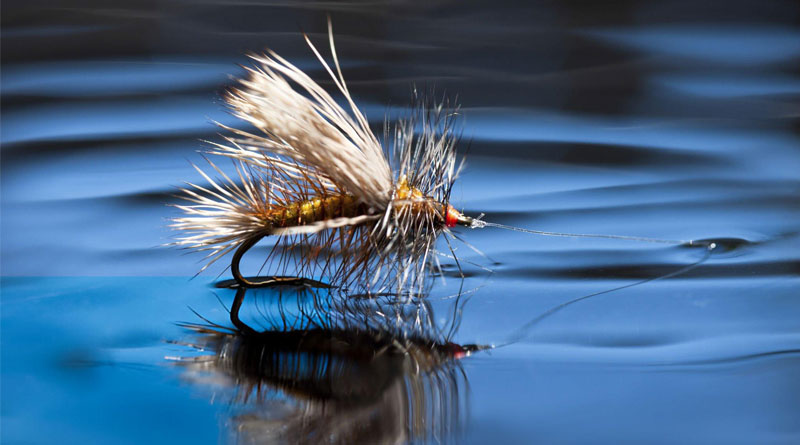
Dry flies are patterns that are designed to float on the surface of the water, imitating a mature insect that has just hatched or an insect that has fallen into the water. Fishing with dry flies is often the most visually exciting form of fly fishing, as you get to see the fish rise to the surface to take your fly. Dry flies are most effective when you see fish actively feeding on the surface, which is known as a “hatch.” The key to success with dry flies is matching the size and color of the natural insect as closely as possible. Common dry flies include the Adams, which imitates a variety of mayflies, and the Elk Hair Caddis, a great imitation for caddis flies. A good dry fly should have hackle and materials that help it float high and dry on the water.
Nymphs
Nymphs are flies that are fished subsurface, imitating the immature aquatic insects that live on the river bottom. Most of a trout’s diet consists of nymphs, which is why nymph fishing is often the most productive method. Nymphs are typically weighted to sink quickly to the depth where the fish are feeding. This is often near the bottom of the river, where insects live and drift with the current. To fish a nymph, you need to understand how to get it to the right depth and how to detect a subtle strike. Essential nymph patterns include the Pheasant Tail, which imitates a mayfly nymph, and the Hare’s Ear, a buggy-looking pattern that can imitate a wide range of insects. Learning to fish with nymphs is crucial for consistent success, as it allows you to target fish even when there is no surface activity.
Streamers and Terrestrials
Streamers are flies that are tied to imitate larger food sources like minnows, leeches, or crayfish. They are typically fished by stripping them through the water to mimic a baitfish swimming. Streamer fishing is a more aggressive form of fly fishing, and it often entices larger, more predatory fish. If you’re targeting big trout, bass, or other predatory species, streamers are your go-to fly. Popular streamer patterns include the Woolly Bugger, which can imitate a variety of things from a leech to a minnow, and the Clouser Minnow, a deadly baitfish imitation. Terrestrials are flies that imitate land-dwelling insects like grasshoppers, ants, and beetles that fall into the water. They are most effective in late summer and early fall and can produce explosive strikes from fish. Patterns like the Chernobyl Ant and the Grasshopper are essential for a terrestrial fly box.
Matching the Hatch: The Art of Observation
Once you understand the basic fly categories, the next step is to master the art of “matching the hatch.” This is the practice of observing what insects are emerging from the water and choosing a fly that imitates them. This skill is what separates a good angler from a great one.
Identifying Insects
When you arrive at the river, take a few minutes to observe what is happening on and around the water. Look for insects flying in the air, floating on the surface, or crawling on the rocks. If you see a lot of small, gray-winged insects, you are likely witnessing a mayfly hatch. If you see them crawling on the rocks, you know you should be fishing with a nymph. If you see tan or black insects fluttering erratically, it’s likely a caddis hatch. You can use a small net to scoop up some insects to get a closer look at their size and color. This simple observation can tell you exactly what the fish are eating and what kind of fly you need to tie on.
Fly Size and Color
The size and color of your fly are just as important as the pattern. The fly fishing world uses a numbering system for hook sizes, with smaller numbers (like a size 20) representing a tiny fly and larger numbers (like a size 4) representing a big fly. If you’re seeing a hatch of small, olive-colored mayflies, your fly should be a similar size and color. The goal is to make your fly look like just another piece of food floating in the current. If your fly is too big or too bright, it will look unnatural and spook the fish. This is why having a variety of sizes and colors of your essential flies is so important.
Building Your Essential Fly Box
You don’t need to own every fly pattern to be successful. A beginner’s fly box should focus on a few key patterns in a variety of sizes and colors. Here are the essential flies every angler should have:
Essential Dry Flies
- Adams: A classic mayfly imitation that can be used to imitate a wide variety of mayflies. Have it in sizes 12, 16, and 20.
- Elk Hair Caddis: A great caddis imitation that floats well and is easy to see. Have it in tan and black, in sizes 12 to 18.
- Parachute Adams: A variation of the Adams with a high-visibility post that makes it easier to see on the water. A must-have in a variety of sizes.
Essential Nymphs
- Pheasant Tail Nymph: A classic mayfly nymph imitation that is incredibly effective. Have it in a few sizes and with or without a bead head for extra weight.
- Hare’s Ear Nymph: A general-purpose nymph that imitates a wide range of insects. It’s a buggy-looking pattern that fish love.
- Prince Nymph: A flashy and effective attractor pattern that can imitate a variety of stoneflies and other insects.
Essential Streamers and Terrestrials
- Woolly Bugger: The most versatile fly in the world. Have it in black, olive, and brown, in a few different sizes. It can imitate everything from a leech to a baitfish.
- Chernobyl Ant: A great terrestrial pattern for summer and fall. Its high-profile design makes it easy to see and it is a favorite for big, hungry trout.
- Clouser Minnow: An excellent baitfish imitation that is a must-have for fishing in lakes or for bass and other predatory fish.
By focusing on these core principles of observation and building a fly box with these essential patterns, you can be ready for most situations on the water. Remember, the goal is not to have a fly for every possible insect, but to have a few reliable patterns that can be adapted to match what the fi <h2>How to Choose the Right Fly Fishing Flies</h2>
<p>For every fly angler, the moment of truth comes when you stand on the water, observe the conditions, and choose the perfect fly to fool a fish. Fly fishing flies are not just pieces of fluff and feather; they are intricate imitations of the insects, baitfish, and other food sources that fish eat. Understanding what a fish is feeding on is the single most important factor in your success. A fly that is a perfect match for the local conditions can make a huge difference, turning a slow day into an unforgettable one. While there are thousands of fly patterns, a few core principles and a handful of essential flies can prepare you for almost any situation. This guide will walk you through the process of choosing the right fly, from understanding the basics of insect life to building a well-rounded fly box that will serve you well on the water.</p>
<h3>Understanding the Basics: The Three Types of Flies</h3>
<p>To choose the right fly, you first need to understand the main categories of flies and what they are designed to imitate. These categories represent the different stages of an insect’s life cycle or the various food sources a fish might encounter.</p>
<h4>Dry Flies</h4>
<p>Dry flies are patterns that are designed to float on the surface of the water, imitating a mature insect that has just hatched or an insect that has fallen into the water. Fishing with dry flies is often the most visually exciting form of fly fishing, as you get to see the fish rise to the surface to take your fly. Dry flies are most effective when you see fish actively feeding on the surface, which is known as a “hatch.” The key to success with dry flies is matching the size and color of the natural insect as closely as possible. Common dry flies include the Adams, which imitates a variety of mayflies, and the Elk Hair Caddis, a great imitation for caddis flies. A good dry fly should have hackle and materials that help it float high and dry on the water.</p>
<h4>Nymphs</h4>
<p>Nymphs are flies that are fished subsurface, imitating the immature aquatic insects that live on the river bottom. Most of a trout’s diet consists of nymphs, which is why nymph fishing is often the most productive method. Nymphs are typically weighted to sink quickly to the depth where the fish are feeding. This is often near the bottom of the river, where insects live and drift with the current. To fish a nymph, you need to understand how to get it to the right depth and how to detect a subtle strike. Essential nymph patterns include the Pheasant Tail, which imitates a mayfly nymph, and the Hare’s Ear, a buggy-looking pattern that can imitate a wide range of insects. Learning to fish with nymphs is crucial for consistent success, as it allows you to target fish even when there is no surface activity.</p>
<h4>Streamers and Terrestrials</h4>
<p>Streamers are flies that are tied to imitate larger food sources like minnows, leeches, or crayfish. They are typically fished by stripping them through the water to mimic a baitfish swimming. Streamer fishing is a more aggressive form of fly fishing, and it often entices larger, more predatory fish. If you’re targeting big trout, bass, or other predatory species, streamers are your go-to fly. Popular streamer patterns include the Woolly Bugger, which can imitate a variety of things from a leech to a minnow, and the Clouser Minnow, a deadly baitfish imitation. Terrestrials are flies that imitate land-dwelling insects like grasshoppers, ants, and beetles that fall into the water. They are most effective in late summer and early fall and can produce explosive strikes from fish. Patterns like the Chernobyl Ant and the Grasshopper are essential for a terrestrial fly box.</p>
<h3>Matching the Hatch: The Art of Observation</h3>
<p>Once you understand the basic fly categories, the next step is to master the art of “matching the hatch.” This is the practice of observing what insects are emerging from the water and choosing a fly that imitates them. This skill is what separates a good angler from a great one.</p>
<h4>Identifying Insects</h4>
<p>When you arrive at the river, take a few minutes to observe what is happening on and around the water. Look for insects flying in the air, floating on the surface, or crawling on the rocks. If you see a lot of small, gray-winged insects, you are likely witnessing a mayfly hatch. If you see them crawling on the rocks, you know you should be fishing with a nymph. If you see tan or black insects fluttering erratically, it’s likely a caddis hatch. You can use a small net to scoop up some insects to get a closer look at their size and color. This simple observation can tell you exactly what the fish are eating and what kind of fly you need to tie on.</p>
<h4>Fly Size and Color</h4>
<p>The size and color of your fly are just as important as the pattern. The fly fishing world uses a numbering system for hook sizes, with smaller numbers (like a size 20) representing a tiny fly and larger numbers (like a size 4) representing a big fly. If you’re seeing a hatch of small, olive-colored mayflies, your fly should be a similar size and color. The goal is to make your fly look like just another piece of food floating in the current. If your fly is too big or too bright, it will look unnatural and spook the fish. This is why having a variety of sizes and colors of your essential flies is so important.</p>
<h3>Building Your Essential Fly Box</h3>
<p>You don’t need to own every fly pattern to be successful. A beginner’s fly box should focus on a few key patterns in a variety of sizes and colors. Here are the essential flies every angler should have:</p>
<h4>Essential Dry Flies</h4>
<p>
<ul>
<li><strong>Adams:</strong> A classic mayfly imitation that can be used to imitate a wide variety of mayflies. Have it in sizes 12, 16, and 20.</li>
<li><strong>Elk Hair Caddis:</strong> A great caddis imitation that floats well and is easy to see. Have it in tan and black, in sizes 12 to 18.</li>
<li><strong>Parachute Adams:</strong> A variation of the Adams with a high-visibility post that makes it easier to see on the water. A must-have in a variety of sizes.</li>
</ul>
</p>
<h4>Essential Nymphs</h4>
<p>
<ul>
<li><strong>Pheasant Tail Nymph:</strong> A classic mayfly nymph imitation that is incredibly effective. Have it in a few sizes and with or without a bead head for extra weight.</li>
<li><strong>Hare’s Ear Nymph:</strong> A general-purpose nymph that imitates a wide range of insects. It’s a buggy-looking pattern that fish love.</li>
<li><strong>Prince Nymph:</strong> A flashy and effective attractor pattern that can imitate a variety of stoneflies and other insects.</li>
</ul>
</p>
<h4>Essential Streamers and Terrestrials</h4>
<p>
<ul>
<li><strong>Woolly Bugger:</strong> The most versatile fly in the world. Have it in black, olive, and brown, in a few different sizes. It can imitate everything from a leech to a baitfish.</li>
<li><strong>Chernobyl Ant:</strong> A great terrestrial pattern for summer and fall. Its high-profile design makes it easy to see and it is a favorite for big, hungry trout.</li>
<li><strong>Clouser Minnow:</strong> An excellent baitfish imitation that is a must-have for fishing in lakes or for bass and other predatory fish.</li>
</ul>
</p>
<p>By focusing on these core principles of observation and building a fly box with these essential patterns, you can be ready for most situations on the water. Remember, the goal is not to have a fly for every possible insect, but to have a few reliable patterns that can be adapted to match what the fish are eating. This approach will simplify your gear and allow you to focus on the joy of fly fishing.</p>
sh are eating. This approach will simplify your gear and allow you to focus on the joy of fly fishing.