Best Ice Skating Shoes of 2026
Looking for the perfect ice skates? It can feel tricky, with so many types available. The right pair is key for comfort, control, and a great time on the ice. Whether you’re a first-timer, a casual skater, or working on fancy spins, the best shoe for you depends on your skill and style. This guide will help you pick the ideal ice skating shoes to glide with confidence and have fun.
1. Jackson Ultima Classic

- Upper Material: Reinforced coated vinyl
- Blade Type: Ultima Mark I stainless steel
- Support Level: Recreational / beginner figure
- Fit: Children’s size 1, medium width
The Jackson Ultima Classic is designed for recreational ice skating and beginner figure skating, offering a stable and confidence-inspiring platform. The reinforced vinyl upper delivers impressive durability while remaining soft enough for comfortable sessions at the rink. A rolled collar and padded interior reduce pressure points, making these skates suitable for young skaters still developing balance and control. The overall construction feels supportive without being overly stiff, which helps new skaters feel secure while learning basic movements.
The factory-sharpened Ultima Mark I blade provides reliable edge control and smooth gliding, ideal for early figure skating skills. Riveted securely to the PVC sole, the blade stays firmly in place during use, adding to overall stability. The padded felt tongue enhances comfort and helps distribute lace pressure evenly across the foot. With its classic white design and dependable build quality, this model remains a popular choice for kids and beginners looking for a long-lasting and comfortable first pair of figure skates.
- Pros: Comfortable padding, stable beginner blade, durable upper
- Cons: Limited advanced support, basic styling
See the Jackson Ultima Classic
2. Lake Placid Cascade

- Upper Material: Synthetic outer boot
- Blade Type: Stainless steel
- Lining: Warm woven liner with padding
- Sole: Waterproof construction
The Lake Placid Cascade ice skates are built for comfort-focused recreational skating, making them a solid option for casual skaters. The synthetic outer boot offers firm ankle support, helping skaters feel more stable during basic glides and turns. Inside, the warm woven liner combined with comfort padding keeps feet insulated and cozy during extended time on cold ice. This thoughtful interior design helps reduce fatigue and pressure, especially for beginners.
The stainless steel blade delivers dependable glide performance and resists rust, making these skates suitable for both indoor and outdoor use. A waterproof sole helps keep moisture out, adding to overall comfort and durability. Reinforced ankle support improves balance while still allowing enough flexibility for relaxed skating. With its straightforward design and focus on warmth and stability, the Cascade is a practical choice for anyone looking to enjoy leisurely skating sessions without worrying about complicated features.
- Pros: Warm lining, good ankle support, waterproof sole
- Cons: Basic performance level, limited adjustability
3. Nattork Figure Skates

- Upper Material: PU leather and eco-friendly PVC
- Blade Type: Stainless steel
- Ankle Support: Reinforced steel protection
- Lining: COOLMAX breathable fiber
Nattork Figure Skates are designed to balance comfort, safety, and affordability for beginner and intermediate skaters. The COOLMAX fiber lining is soft and breathable, helping manage moisture and keep feet comfortable throughout long skating sessions. The outer shell uses PU leather and eco-friendly PVC that remains flexible in cold conditions and resists cracking. This makes the skates suitable for regular recreational use.
The stainless steel blade offers solid edge retention and smooth gliding, while remaining easy to sharpen. Reinforced ankle support improves control and helps reduce the risk of injury during slips or falls. Secure rivets and screws firmly attach the blade to the sole, enhancing overall safety. With its clean design and reliable construction, the Nattork Figure Skate delivers dependable performance without a premium price, making it an appealing choice for developing skaters.
- Pros: Breathable lining, strong ankle support, durable blade
- Cons: Limited advanced features, moderate stiffness
4. Riedell Soar Ice Skates

- Support Rating: 25 out of 100
- Blade Type: Spiral stainless steel
- Insulation: 3M Thinsulate lining
- Fit Type: Adult recreational
The Riedell Soar Ice Skates focus on comfort and ease of use for beginner and casual skaters. The plush velvet lining backed with foam padding provides a soft, forgiving fit that feels comfortable right out of the box. A simple lacing system allows easy adjustment, while the split tongue design balances ankle support with freedom of movement. These features make relaxed skating sessions more enjoyable.
Light support keeps skaters stable without restricting motion, ideal for learning basic skills. The 3M Thinsulate insulation helps keep feet warm and dry during cold conditions. Spiral stainless steel blades deliver a smooth glide and consistent performance, though professional sharpening is recommended. Overall, the Soar is a dependable recreational skate for adults seeking comfort and confidence on the ice.
- Pros: Very comfortable, warm lining, smooth blade
- Cons: Low support rating, adult-only sizing
See the Riedell Soar Ice Skates
5. Lake Placid Summit
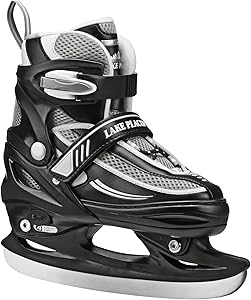
- Fit System: Push-button adjustable sizing
- Blade Type: Stainless steel
- Closure: Locking buckle and power strap
- Sole: Waterproof design
The Lake Placid Summit ice skates are designed with growing skaters in mind, offering adjustable sizing for extended use. The push-button system allows quick size changes, making these skates ideal for kids who outgrow footwear quickly. Inside, a warm woven lining with deluxe padding provides comfort and insulation during cold skating sessions.
A stainless steel blade ensures reliable glide and durability, while the waterproof sole helps keep feet dry. The locking buckle and power strap offer secure closure and added ankle stability. Overall, the Summit delivers convenience, comfort, and practicality for recreational skaters who need adaptable sizing.
- Pros: Adjustable fit, warm padding, secure closure
- Cons: Limited performance focus, bulkier feel
6. Rollerblade Bladerunner Ice

- Skill Level: Beginner to casual
- Blade Type: Stainless steel figure blade
- Closure: Lace system with hooks
- Outsole: Maintenance-free PVC
The Rollerblade Bladerunner Ice skates are a value-focused option for new and casual skaters. Reinforced synthetic uppers provide dependable ankle support while maintaining a comfortable fit. Padding in the tongue and ankle areas cushions the foot, helping reduce discomfort during longer skating sessions.
Stainless steel figure blades with toe picks deliver consistent glide and edge retention. The lace closure allows for a customizable fit, while the PVC outsole keeps maintenance simple. These skates are well-suited for recreational skating and learning basic figure skating skills.
- Pros: Affordable, comfortable padding, durable blades
- Cons: Requires blade sharpening, basic design
See the Rollerblade Bladerunner Ice
7. Jackson Ultima SoftSkate
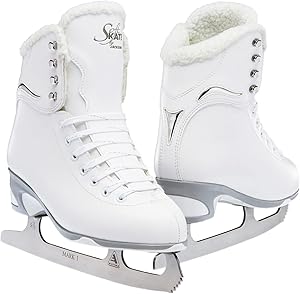
- Support Level: Light recreational
- Upper Material: Synthetic with foam padding
- Blade Type: Ultima Mark I figure blade
- Fit: Women’s size 8, medium width
The Jackson Ultima SoftSkate is built for relaxed recreational skating with a focus on comfort. The synthetic upper and tongue are paired with cushy foam padding that feels soft and supportive. This design makes the skates approachable for casual skaters who want an easy, comfortable experience.
The factory-sharpened Ultima Mark I blade offers smooth glide and reliable control for basic skills. With its fleece-lined interior and lightweight feel, the SoftSkate is ideal for leisurely skating sessions without the stiffness of performance-focused boots.
- Pros: Very comfortable, lightweight, beginner-friendly
- Cons: Light support only, limited progression
See the Jackson Ultima SoftSkate
8. 5th Element Stealth
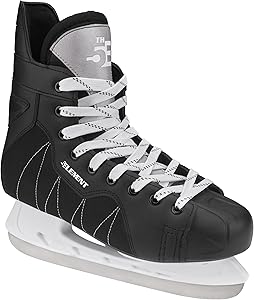
- Blade Type: Premium stainless steel
- Fit: True-to-size men’s
- Liner: Moisture-resistant interior
- Weight Limit: 205 lbs
The 5th Element Stealth ice hockey skates are designed for skaters seeking comfort and durability at an accessible price. The true-to-size fit offers secure heel and midfoot support while allowing natural toe movement. Ankle padding and heel support enhance stability during fast turns.
The moisture-resistant liner keeps feet dry, while the reinforced outsole improves power transfer and control. Stainless steel blades deliver strong performance for both recreational and league play. These skates balance comfort and performance well for a wide range of skill levels.
- Pros: True-to-size fit, durable build, versatile use
- Cons: Heavier than entry skates, hockey-only style
9. American Athletic Tricot Lined Ice Skates

- Skill Level: Beginner
- Boot Material: PVC with reinforced ankle
- Lining: Tricot with foam backing
- Blade: 3.5mm stainless steel
These American Athletic ice skates are tailored for beginner women skaters seeking comfort and confidence. The reinforced PVC boot offers stability while allowing enough flexibility to learn proper technique. Inside, the tricot liner with foam padding creates a snug, accommodating fit.
The stainless steel blade includes a beginner-friendly toe pick for balance and smooth glide. Suitable for indoor and outdoor use, these skates reflect American Athletic’s long-standing commitment to accessible skating gear.
- Pros: Comfortable liner, stable for beginners
- Cons: Limited advanced performance, basic look
See the American Athletic Tricot Lined Ice Skates
10. TronX Stryker 3.0
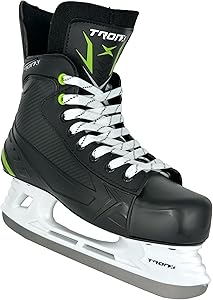
- Boot Construction: Composite plastic skeleton
- Blade Type: Stainless steel with holder
- Lining: Microfibre with elastic padding
- Use Type: Ice hockey performance
The TronX Stryker 3.0 Ice Hockey Skates are built for skaters wanting comfort and protection without sacrificing performance. The anatomically shaped composite boot offers rigidity for strong foot fixation and impact protection. Plush ankle foams and elastic padding enhance comfort.
A quality stainless steel blade mounted on a durable holder delivers smooth skating and reliable control. The microfibre lining adds comfort and moisture management, making these skates suitable for learning or returning to hockey.
- Pros: Protective boot, comfortable padding, durable blade
- Cons: Hockey-specific fit, firmer feel
How to Choose Ice Skating Shoes
Embarking on the exhilarating journey of ice skating, whether for the first time or as a seasoned enthusiast, fundamentally hinges on one crucial piece of equipment: your ice skating shoes. Far from being a mere accessory, the right pair of skates is the foundation of comfort, stability, performance, and, most importantly, safety on the ice. A poorly chosen pair can quickly lead to discomfort, blisters, unstable ankles, and a frustrating experience, potentially deterring you from a wonderfully enjoyable sport. Conversely, a well-fitting, appropriate pair of skates can elevate your experience, allowing you to glide effortlessly, master new moves, and feel truly at home on the rink. This comprehensive guide will navigate you through the essential considerations, helping you confidently select the best ice skating shoes tailored to your specific needs, skill level, and aspirations.
Understanding the Different Types of Ice Skates
Before diving into the specifics, it’s vital to recognize that not all ice skates are created equal. Different disciplines demand different characteristics in a skate, primarily in boot stiffness and blade design.
Figure Skates
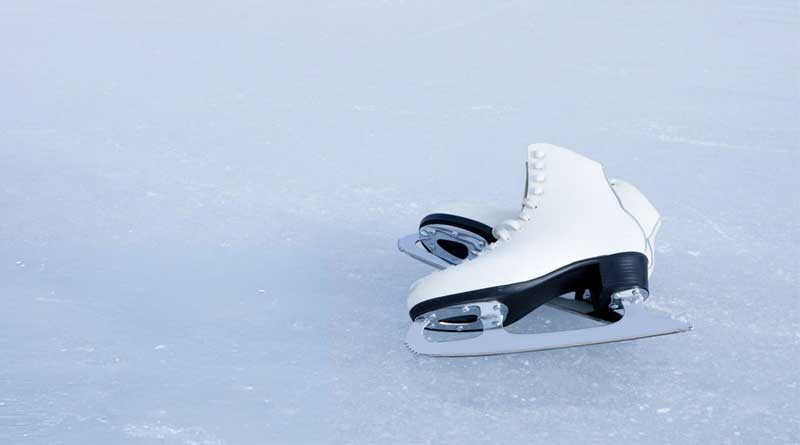
Figure skates are perhaps the most recognizable, characterized by their sturdy, often white or black leather boots and a blade with a prominent set of “toe picks” at the front. These toe picks are essential for jumps, spins, and intricate footwork, allowing skaters to launch into the air and perform precise movements. The boots themselves range from soft recreational models to extremely stiff, highly reinforced boots for competitive jumpers and high-level skaters. Beginners often start with softer boots that offer more flexibility and a shorter break-in period, while advanced skaters require stiff boots for maximum ankle support during powerful landings and complex maneuvers.
Hockey Skates
Hockey skates are built for speed, agility, and protection. They feature a heavily padded, often synthetic boot that prioritizes ankle support and impact resistance, crucial for the fast-paced, physical nature of ice hockey. The blade is shorter and more curved than a figure skate blade, lacking toe picks. This design allows for quick acceleration, sharp turns, and sudden stops, which are fundamental to hockey play. The boot’s construction is designed to protect the foot from pucks, sticks, and collisions. Recreational hockey skates offer a balance of comfort and support, while professional models feature highly customized fits and advanced protective technologies.
Recreational and Speed Skates
These skates often combine elements of both figure and hockey skates, focusing on comfort and ease of use for casual skating. They typically have softer boots, a comfortable lining, and blades designed for smooth gliding rather than intricate maneuvers or aggressive stops. These are perfect for social skating, public sessions, or simply enjoying the ice without the demands of a specific discipline. Speed skates, on the other hand, feature long, straight blades and low-cut boots for maximum ankle mobility and efficiency in pushing off the ice, designed purely for racing. These are a niche choice for dedicated speed skaters.
Key Factors to Consider When Choosing Ice Skating Shoes
Once you understand the basic types, you can delve into the specific attributes that define a good pair of skates for your individual needs.
Fit and Sizing
This is arguably the most critical factor. Unlike regular shoes, ice skates need a snug, almost custom fit. Too loose, and your foot will slide, causing blisters and instability. Too tight, and you’ll experience pain and poor circulation. Your toes should lightly brush the end of the boot, and your heel should be locked in place with minimal lift when you bend your knees. Many skate brands use specific sizing charts that may differ from your street shoe size, so always measure your foot and consult the brand’s guide. Trying on skates with the type of socks you’ll wear is also highly recommended.
Support Level (Ankle Support)
The amount of ankle support a skate provides directly correlates with your skill level and the type of skating you intend to do. Beginners and recreational skaters generally benefit from softer boots with lighter support. These are more forgiving, easier to break in, and allow for natural ankle flexion while learning. As you advance, particularly in figure skating or competitive hockey, you’ll need stiffer boots that offer significantly more rigid ankle support. This prevents ankle injury during jumps and provides the necessary leverage for powerful movements. Hockey skates are generally stiffer than recreational figure skates but offer more forward flex than high-level figure skates.
Blade Quality and Type
The blade is your direct connection to the ice. Blades come in various materials and designs, impacting glide, edge retention, and maneuverability.
- Material: Most blades are made from carbon steel, often coated with nickel or chrome to prevent rust. Higher-quality blades may use stainless steel or even lightweight alloys. Better steel holds an edge longer and requires less frequent sharpening.
- Figure Skate Blades: Feature toe picks for jumps and spins. The curvature (rocker) varies, with more curvature allowing quicker turns and less contact with the ice, while flatter blades offer more stability for gliding.
- Hockey Skate Blades: Are shorter and more curved, designed for quick starts, stops, and turns. They lack toe picks. The holder, the plastic part attaching the blade to the boot, can vary in height, affecting the angle of attack on the ice.
- Sharpening: New skates often come with factory-sharpened blades, but a professional sharpening is almost always recommended before your first use for optimal performance.
Boot Material and Comfort
Modern skate boots are made from a variety of materials, influencing durability, weight, and comfort.
- Leather: Traditional for figure skates, offering excellent moldability and durability, though often requiring a longer break-in period.
- Synthetic Materials: Common in hockey and recreational skates, offering lighter weight, often less break-in time, and good resistance to moisture.
- Padding and Lining: Look for ample internal padding, often foam-backed velvet or micro-fleece, which enhances comfort and helps keep feet warm. Moisture-wicking linings are a plus for keeping feet dry.
- Insulation: For those planning to skate outdoors in colder climates, insulation like 3M Thinsulate can make a significant difference in keeping your feet warm.
Skill Level and Usage
Your current skill level and how you plan to use the skates are paramount.
- Beginner/Recreational: Prioritize comfort, moderate support, and ease of use. Soft-boot recreational skates or entry-level figure/hockey skates are ideal.
- Intermediate: As your skills improve, you might need slightly stiffer boots that offer more support for developing jumps, spins, or more aggressive hockey play.
- Advanced/Competitive: These skaters require highly stiff boots for maximum support and power, often paired with high-performance blades. These skates are expensive and require significant break-in.
Budget
Ice skates range widely in price, from under $100 for basic recreational models to over $1000 for high-performance competitive setups. Set a realistic budget based on your needs and commitment to the sport. Remember that a good pair of skates is an investment in your enjoyment and progression.
Maintenance Tips for Your Ice Skating Shoes
Proper maintenance will extend the life of your skates and ensure consistent performance.
- Dry Blades: Always wipe your blades completely dry after each use to prevent rust. Store them with soft blade covers (soakers) to absorb residual moisture and protect edges.
- Blade Guards: Use hard blade guards when walking off the ice to protect the edges from damage.
- Air Out Boots: Loosen laces and open the boots to allow them to air dry completely after each use, preventing odor and material degradation.
- Professional Sharpening: Get your blades professionally sharpened regularly. The frequency depends on how often you skate and the ice quality.
Conclusion
Choosing the best ice skating shoes is a critical step towards a fulfilling experience on the ice. By carefully considering the type of skating you’ll be doing, prioritizing fit and comfort, understanding the importance of proper ankle support, and assessing blade quality, you can make an informed decision. Don’t rush the process; take the time to research, try on different models, and consult with experienced skaters or pro shop staff. With the right pair of skates beneath you, you’ll unlock a world of graceful glides, thrilling speeds, and endless enjoyment, making every moment on the ice truly memorable.