Best Snowmobile Belts of 2025
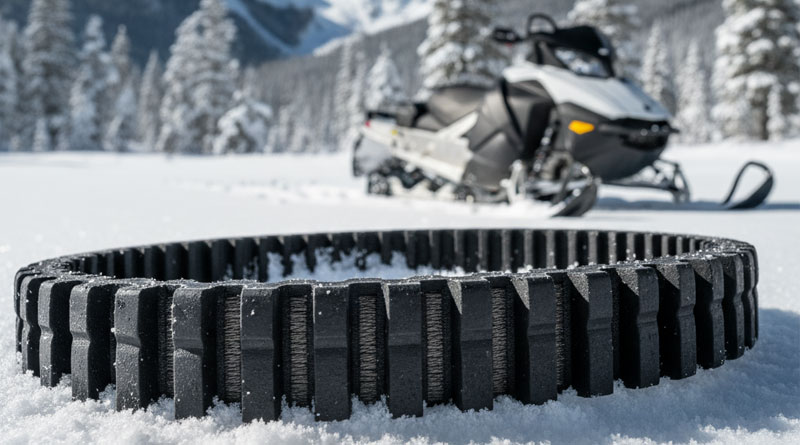
Choosing the right snowmobile belt is crucial for unlocking your sled’s full potential and ensuring a smooth, reliable ride. This small but mighty component transmits power from your engine to the track, directly impacting acceleration, top speed, and overall efficiency. A worn or ill-fitting belt can lead to poor performance, excessive heat, and even costly damage to your clutch system. From OEM-specific designs meticulously engineered for precise fit and optimal output to high-performance aftermarket alternatives, our selections prioritize durability, heat resistance, and consistent power delivery for every type of rider.
1. Ski-Doo New OEM, Performance Drive Belt
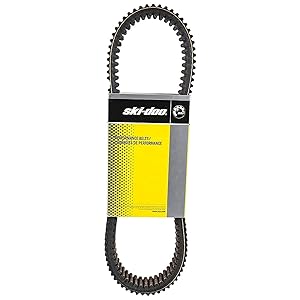
- Construction Material: Aramid tensile cords with high tensile reinforced fiber elastomer undercords
- Overcord Design: Flexweave for superior adhesion and crack resistance
- Performance Characteristic: Calibrated to maximize sled’s performance with consistent output
- Durability Feature: Minimal belt shrinkage and length adjustments for consistent performance life
The Ski-Doo New OEM Performance Drive Belt is engineered to precisely match the demands of your Ski-Doo snowmobile. This belt is meticulously calibrated to maximize your sled’s acceleration and power transfer. Its construction features robust Aramid tensile cords, renowned for their exceptional strength and extended lifespan, providing dependability even under aggressive riding conditions. These cords also contribute to maintaining a consistent belt length with minimal shrinkage, significantly reducing the need for frequent adjustments and ensuring stable, long-term performance.
Further enhancing its durability, the belt incorporates high-tensile reinforced fiber elastomer undercords that are designed to produce minimal dusting and offer superior long-term flex life. This advanced material composition helps the belt withstand the rigorous demands of high-RPM operation and varying temperatures. Additionally, the Flexweave overcord enhances adhesion and provides excellent crack resistance, extending the belt’s overall lifespan. Riders can expect consistent performance throughout the life of the belt.
- Pros: OEM precise fit and calibration, excellent durability with Aramid cords, consistent performance, minimal dusting and cracking
- Cons: Generally higher price point than aftermarket options, specific to Ski-Doo models
2. Dayco HP3020 Hi-Perf Drive Belt

- Material Composition: High-performance polymer blend for enhanced grip and durability
- Operating Temperature: Engineered to withstand a wide range of operating temperatures
- Flexibility: Optimized flex design to reduce heat buildup and improve belt life
- Dimensions: Precision-manufactured to specific OEM specifications
The Dayco HP3020 Hi-Perf Drive Belt is a solid choice for snowmobile enthusiasts seeking a reliable and efficient replacement belt. While specific internal construction details are sparse, Dayco is a well-regarded name in power transmission, and their “Hi-Perf” designation typically indicates an emphasis on efficient power transfer and enhanced durability compared to standard belts. This belt is designed to provide consistent performance, crucial for maintaining optimal clutch engagement and engine responsiveness across various riding conditions. Its construction is generally aimed at reducing slippage, which translates to better acceleration and sustained speed.
Owners often choose Dayco for its balance of performance and value. The belt’s robust design is intended to minimize stretch and wear over time, helping to extend its lifespan and reduce the frequency of replacements. While the provided listing details are limited to packaging information, the reputation of Dayco’s high-performance line suggests a product built to withstand the stresses of snowmobiling. For riders looking for a dependable aftermarket option that prioritizes consistent power delivery without the premium price tag of OEM counterparts, the HP3020 offers a compelling solution, requiring proper fitment verification for your specific sled model.
- Pros: Reputable brand, cost-effective high-performance alternative, designed for consistent power transfer, good balance of performance and value
- Cons: Specific material and construction details not fully disclosed in listing, performance may vary compared to OEM on highly specialized setups
3. Replacement Drive Belt for Polaris Snowmobiles

- Part Number: 3211080
- Dimensions: 3.90 × 3.15 × 1.57 inches (packaged)
- Material: Durable synthetic rubber compound with internal reinforcement (typical for aftermarket)
- Compatibility: Designed for a wide range of Polaris Classic, XC SP, Indy, Rush, Switchback, and other models
This replacement drive belt, identified by part number 3211080, offers a versatile and cost-effective solution for a broad spectrum of Polaris snowmobiles. Its primary appeal lies in its extensive compatibility, catering to numerous models including the Classic, XC SP, Indy, Rush, Dragon, Switchback, and many more, spanning various engine sizes from 440 to 900. This wide application range makes it a convenient option for Polaris owners who need a reliable aftermarket belt without the higher cost sometimes associated with OEM parts.
Designed to be a direct fit, this belt aims to restore efficient power transfer and clutch responsiveness. The provided packaged dimensions suggest a standard size for snowmobile drive belts, indicating it should fit snugly within the clutch system of compatible Polaris models. For those seeking a functional replacement that prioritizes broad compatibility and affordability over specialized OEM-level performance enhancements, this 3211080 compatible belt presents a practical choice. It’s an accessible option for general riding and maintenance, ensuring your Polaris snowmobile continues to perform reliably throughout the winter season.
- Pros: Extensive compatibility with many Polaris models, cost-effective replacement, direct-fit design, readily available
- Cons: Lacks detailed material or performance specifications, may not offer the extreme performance characteristics of OEM or high-end aftermarket belts
4. Polaris OEM Performance Drive Belt

- Material: Aramid fibers for high strength and reliability
- Tolerance: Lowest available (0.188-inch) for consistent performance
- Testing Protocol: 20,000 miles field testing, thousands of dyno hours, 18+ months development
- Performance Benefit: Runs cooler, less wear and tear, no clutch recalibration required
The Polaris OEM Performance Drive Belt, part number 3211080, is the quintessential choice for Polaris owners who demand nothing less than factory-engineered precision and performance. This CVT belt is meticulously designed and rigorously tested to ensure it runs cooler than aftermarket alternatives, significantly reducing heat-induced wear and tear. This not only extends the belt’s lifespan but also maintains optimal vehicle performance without the need for clutch recalibration, ensuring your sled operates exactly as intended by the manufacturer. Its OEM status means it’s crafted to integrate seamlessly with Polaris clutch systems.
Constructed from high-strength Aramid fibers, this belt offers unparalleled durability and long-lasting reliability, a testament to Polaris’s commitment to quality. The exceptionally low tolerance (0.188-inch) in its manufacturing process results in minimal variation in width and length, which translates directly into consistently higher performance and predictable power output. Each belt undergoes an exhaustive development and testing regimen, including 20,000 miles of field testing, thousands of dyno hours, and over 18 months of design and validation.
- Pros: OEM precise fit and optimal performance, exceptional heat resistance and durability, extensive testing for reliability, no clutch recalibration needed
- Cons: Higher cost compared to generic aftermarket options, specific to Polaris models (though many different ones)
5. OEM Yamaha ’08-’14 Nytro Drive Belt

- Part Number: 8DN-17641-01-00
- Compatibility: Specifically fits ’08-’14 Yamaha Nytro models (STD/RTX/XTX/MTX)
- Construction: Designed with robust rubber compounds and tensile cords for durability (typical OEM standards)
- Performance: Engineered to deliver optimal power transfer and clutch engagement for specified models
For owners of 2008-2014 Yamaha Nytro snowmobiles, the OEM Yamaha Drive Belt, part number 8DN-17641-01-00, is the definitive choice for maintaining factory-level performance and reliability. This belt is precisely engineered by Yamaha to ensure perfect compatibility and seamless integration with the Nytro’s clutch system, encompassing all sub-models including STD, RTX, XTX, and MTX. Opting for an OEM belt guarantees that the fit, materials, and performance characteristics meet the exact specifications laid out by the manufacturer, which is crucial for optimal power transmission, smooth engagement, and consistent throttle response.
While specific material details are kept proprietary by Yamaha, OEM belts are known for their high-quality rubber compounds and robust internal reinforcement, designed to withstand the high temperatures and stresses of snowmobile operation. This focus on original equipment quality helps to minimize wear, reduce dusting, and ensure a longer lifespan compared to many generic aftermarket alternatives. Choosing this genuine Yamaha belt helps preserve your Nytro’s original performance, providing peace of mind that your sled will perform as intended on every ride. It’s an essential component for any Nytro owner looking to maintain the integrity and functionality of their snowmobile’s drivetrain.
- Pros: Guaranteed OEM fit and performance, engineered for specific Yamaha Nytro models, reliable power transfer, maintains factory specifications
- Cons: Limited compatibility to specific Yamaha Nytro years/models, typically higher cost than aftermarket options
6. Polaris OEM Performance Drive Belt

- Part Number: 3211065
- Heat Management: Engineered to run cooler, delivering excellent heat resistance and dissipation
- Tolerance: Features the lowest available tolerance for consistent width and length
- Recommended Replacement: Every 1,000 miles for optimal performance
The Polaris OEM Performance Drive Belt, part number 3211065, is an exemplary product designed to ensure your Polaris snowmobile operates at its peak. Engineered by Polaris, this drive belt stands out for its superior heat management, running cooler than many alternatives. This crucial feature significantly reduces wear and tear caused by excessive heat, thereby extending the belt’s life and maintaining consistent optimal vehicle performance. A key benefit for riders is that this OEM belt does not require clutch recalibration, allowing for more time on the snow and less time in the garage. It’s developed and tested across all Polaris engines and environments, guaranteeing reliability in diverse conditions.
Polaris’s commitment to quality is evident in the belt’s construction and rigorous testing. Featuring the lowest tolerance available in the industry, these CVT belts exhibit minimal variation in width and length, directly contributing to consistently higher performance and predictable power delivery. Each belt undergoes extensive validation, including 20,000 miles of field testing, thousands of dyno hours, and over 18 months of development per design. This meticulous process, coupled with a clear recommendation to replace every 1,000 miles, underscores its reliability and performance optimization. Investing in this OEM belt is a commitment to protecting your ride and ensuring it performs flawlessly season after season.
- Pros: OEM-engineered for optimal performance, superior heat resistance and durability, no clutch recalibration required, extensive testing for reliability, clear replacement interval guidance
- Cons: Higher initial cost than aftermarket options, specific to certain Polaris models
7. Ski-Doo New OEM Performance Drive Belt, 414828700, 414860700

- Construction Material: Aramid tensile cords with high tensile reinforced fiber elastomer undercords
- Overcord Design: Flexweave for superior adhesion and crack resistance
- Performance Characteristic: Calibrated to maximize sled’s performance
- Durability Feature: Minimal dusting and long term flex life from undercords
The Ski-Doo New OEM Performance Drive Belt, identifiable by part numbers 414828700 (superseded by 414860700), is specifically engineered to unlock the maximum performance of your Ski-Doo snowmobile. This high-performance belt is calibrated to provide optimal power transfer and responsiveness, ensuring a dynamic and reliable riding experience. Its robust construction features Aramid tensile cords, which are renowned for their exceptional strength, contributing to an extra-long life and dependable operation. These cords also play a vital role in maintaining consistent belt length with minimal shrinkage, thereby reducing the need for frequent adjustments and ensuring stable performance over time.
Further enhancing its impressive durability and efficiency, the belt incorporates high-tensile reinforced fiber elastomer undercords. These advanced materials are designed to produce minimal dusting, keeping your clutch system cleaner, and provide excellent long-term flex life, resisting degradation under repeated high-stress cycles. The integration of a Flexweave overcord adds another layer of resilience, offering superior adhesion and formidable crack resistance, which are critical for longevity in harsh snowmobile environments. This OEM belt is a testament to Ski-Doo’s engineering prowess, providing consistent, high-quality performance throughout its operational life, making it an indispensable component for serious riders.
- Pros: OEM precise fit and calibrated performance, excellent durability with Aramid cords, minimal dusting, superior crack resistance, consistent performance over time
- Cons: Generally higher price point than aftermarket alternatives, specific to Ski-Doo models
How to Choose Snowmobile Belts
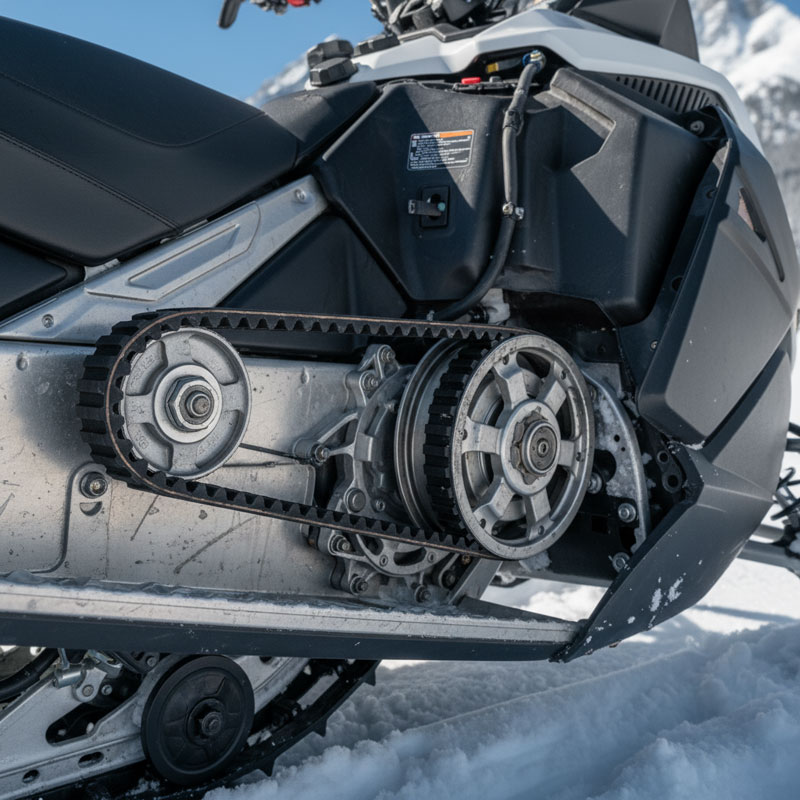
The heart of your snowmobile’s power delivery system lies in its drive belt. Often overlooked, this crucial component is responsible for transmitting every ounce of engine power to the track, directly influencing your sled’s acceleration, top speed, and overall responsiveness. A high-quality belt ensures consistent performance, extends the life of your clutch, and most importantly, keeps you confidently carving through the snow.
Conversely, a worn, ill-fitting, or low-quality belt can lead to power loss, excessive heat buildup, premature failure, and even costly damage to your primary and secondary clutches. Therefore, understanding how to select the best snowmobile belt for your specific machine and riding style isn’t just about maintenance; it’s about maximizing your riding experience and ensuring safety on the trails. This comprehensive guide will walk you through the essential factors to consider, helping you make an informed decision that enhances your snowmobiling adventures.
Understanding Snowmobile Belt Types
Before diving into specific features, it’s important to grasp the fundamental types of snowmobile belts available. Generally, belts fall into two main categories: standard and high-performance, with further distinctions between OEM and aftermarket options.
Standard belts are typically designed for casual riding and general utility. They offer adequate performance for most recreational riders but may not withstand the extreme stresses of aggressive riding or high-horsepower engines as effectively. High-performance belts, on the other hand, are engineered with advanced materials and construction techniques to handle higher RPMs, increased horsepower, and more demanding conditions. They are built for greater durability, heat resistance, and consistent power transfer, making them ideal for performance-oriented riders.
OEM (Original Equipment Manufacturer) belts are produced by the snowmobile manufacturer (e.g., Polaris, Ski-Doo, Yamaha, Arctic Cat) specifically for their models. They are designed for a precise fit and optimal performance, often undergoing extensive testing during the sled’s development. Aftermarket belts are made by independent companies like Dayco, Gates, or Carlisle. While some aftermarket belts offer comparable or even superior performance to OEM options, others might be more budget-friendly replacements with varying levels of quality. The choice often comes down to a balance of performance, durability, and cost.
Key Factors to Consider When Choosing a Belt
Selecting the ideal snowmobile belt involves evaluating several critical factors. Each plays a role in how your sled performs and how long your belt will last.
Compatibility with Your Snowmobile Model
This is arguably the most critical factor. Snowmobile belts are not universal; they are precisely designed for specific makes, models, and even years of snowmobiles. The dimensions (width, length, and angle) of the belt must perfectly match your sled’s primary and secondary clutch systems. Using the wrong belt can lead to severe issues, including slippage, excessive heat, premature wear, and potential damage to your clutches or engine. Always consult your snowmobile’s owner’s manual or the manufacturer’s specifications to identify the correct OEM part number. When considering aftermarket options, ensure they explicitly state compatibility with your exact model. Pay close attention to subtle differences; even belts that look similar can have crucial variations that affect performance.
Material and Construction Quality
The materials used in a belt’s construction directly impact its strength, flexibility, and heat resistance. Modern snowmobile belts primarily consist of rubber compounds reinforced with high-strength tensile cords.
- Aramid Fibers: Many high-performance belts utilize Aramid (e.g., Kevlar) fibers in their tensile cords. Aramid offers exceptional strength-to-weight ratio, high temperature resistance, and minimal stretch, leading to longer life and consistent performance.
- Rubber Compounds: The rubber blend of the belt is crucial for grip, flexibility, and heat dissipation. Higher quality compounds are designed to withstand extreme temperatures without hardening or softening excessively.
- Cord Design: Look for details on undercords and overcords. Reinforced fiber elastomer undercords help reduce dusting and improve flex life, while Flexweave overcords enhance adhesion and crack resistance, contributing to overall durability.
Heat Resistance and Dissipation
Heat is the primary enemy of snowmobile belts. High temperatures cause the rubber to degrade, leading to slippage, stretching, and eventual failure. A superior belt is engineered to run cooler, even under high RPMs and heavy loads. This involves advanced material compositions that resist heat buildup and structural designs that facilitate heat dissipation. Belts with excellent heat resistance will maintain their integrity and performance longer, reducing wear and tear on both the belt and your clutch components.
Durability and Longevity
A good belt should offer a long service life under typical operating conditions. Key indicators of durability include:
- Minimal Stretch and Shrinkage: A belt that maintains a consistent length and width throughout its life will provide more predictable performance and require fewer adjustments.
- Resistance to Cracking and Dusting: High-quality materials and construction will resist surface cracking and reduce the amount of rubber dust (fines) generated, which can contaminate your clutch system.
Performance Characteristics
Beyond simply lasting, a belt must perform well. Consider these characteristics:
- Consistent Power Transfer: The belt should efficiently transfer all engine horsepower to the track without slippage, ensuring maximum acceleration and top speed.
- Smooth Engagement: A well-designed belt contributes to smooth, predictable clutch engagement, preventing jerky starts.
- Optimal RPMs: The belt should allow your engine to reach and maintain its optimal operating RPMs for peak power output.
- No Clutch Recalibration: High-quality OEM or equivalent aftermarket belts should work seamlessly with your existing clutch calibration, meaning you won’t need to adjust spring rates or weights after installation.
Riding Style and Conditions
Your personal riding style and the conditions you typically encounter should influence your belt choice.
- Aggressive vs. Casual Riding: If you’re an aggressive rider, frequently hitting the throttle hard, pulling heavy loads, or engaging in competitive riding, a high-performance, durable belt with superior heat resistance is essential. Casual trail riders might find a good quality standard or mid-range performance belt sufficient.
- Trail vs. Mountain Riding: Mountain riding often involves sustained high loads and varying altitudes, demanding belts with exceptional durability and heat management. Trail riding can be less demanding but still benefits from robust construction.
- Temperature Extremes: Some belts are specifically designed to perform better in extreme cold or fluctuating temperatures, maintaining flexibility and grip.
Brand Reputation and Testing
Investigate the brand’s reputation. OEM belts from Polaris, Ski-Doo, Yamaha, and Arctic Cat come with the assurance of extensive internal testing and engineering. Aftermarket brands like Dayco, Gates, and Carlisle have also established reputations for quality. Look for brands that clearly state their testing protocols, such as thousands of dyno hours, extensive field testing, and collaboration with powertrain engineers. Such transparency indicates a commitment to performance and reliability.
Maintenance and Replacement Schedule
Even the best belt won’t last forever. Regular inspection and timely replacement are key.
Inspection Tips
Periodically inspect your belt for signs of wear:
- Cracks or Fraying: Any visible cracks, especially on the sides or underside, or fraying of the cords, indicates imminent failure.
- Glazing or Shiny Spots: These suggest excessive heat and slippage.
- Missing Chunks or Teeth: A clear sign of severe wear or damage.
- Excessive Dusting: A build-up of black rubber dust around your clutches can indicate the belt is wearing prematurely.
- Width Measurement: Belts narrow with wear. Consult your manual for the minimum service width.
Recommended Replacement Intervals
Many manufacturers recommend specific replacement intervals, often around 1,000 to 1,500 miles, or more frequently for aggressive riding. Even if a belt looks good, performance can degrade over time due to internal fatigue. Having a spare belt on hand is always a good idea, especially for longer rides.
Breaking in a New Belt
Proper break-in is crucial for maximizing a new belt’s life and performance. Most manufacturers recommend a gentle break-in period (e.g., 20-30 miles) avoiding full throttle, high speeds, or heavy loads. This allows the belt to seat properly in the clutches and cures its surface, preventing premature wear.
Common Mistakes to Avoid
- Using the Wrong Belt: As mentioned, this is a recipe for disaster. Always verify compatibility.
- Ignoring Wear Signs: Don’t wait until your belt breaks on the trail. Regular inspections can prevent inconvenient and potentially dangerous situations.
- Improper Break-in: Skipping the break-in process can significantly shorten the life of a new belt.
- Contaminating the Belt: Keep oil, grease, and other lubricants away from your belt and clutches, as they can cause slippage and rapid degradation.
Choosing the best snowmobile belt for your machine is a critical decision that impacts not only your sled’s performance but also your safety and enjoyment on the snow. By carefully considering compatibility, material quality, heat resistance, durability, and your specific riding style, you can select a belt that provides consistent power, extends the life of your clutch system, and ensures many thrilling miles of snowmobiling. Remember, a high-quality belt is an investment in your ride, delivering reliability and peak performance when you need it most.