Best Snowmobile GPS of 2026
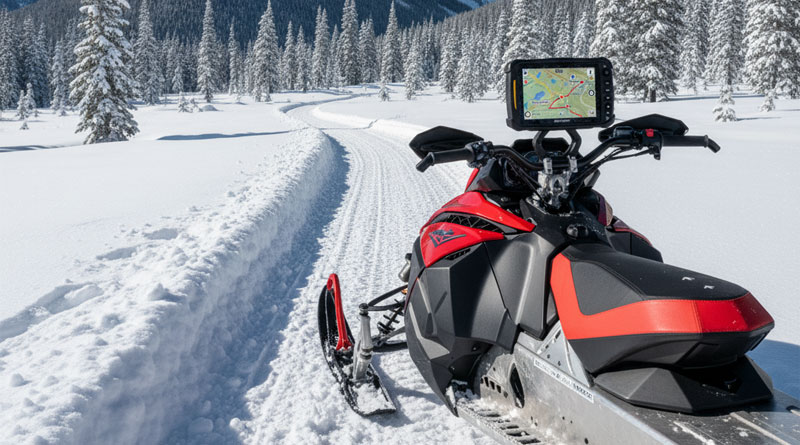
Navigating the vast, often unmarked winter wonderland on a snowmobile demands more than just a keen sense of direction. The right GPS unit is an indispensable co-pilot, guiding you safely through challenging terrain, remote trails, and unpredictable weather. Modern snowmobile GPS devices are engineered for extreme conditions, offering everything from detailed topographical maps and preloaded trail information to vital safety features like emergency communication. Dive into our top picks to find the perfect navigator for your next exhilarating ride.
1. Garmin Tread Overland 8” Powersport Navigator Bundle

- Display: 8-inch ultrabright touchscreen display, rugged and waterproof design
- Navigation Tools: Built-in altimeter, barometer, compass, and pitch and roll gauges
- Preloaded Maps: Topography, subscription-free BirdsEye Satellite Imagery, iOverlander POIs, and Ultimate Public Campgrounds
- Communication: Built-in inReach technology, two-way text, location sharing, and interactive SOS
The Garmin Tread Overland 8” Powersport Navigator Bundle is an exceptional choice for serious snowmobile enthusiasts who demand robust performance and comprehensive off-grid capabilities. Its large 8-inch ultrabright touchscreen ensures clear visibility even in varying light conditions, while the rugged, waterproof construction is built to withstand the harshest winter environments. Beyond basic navigation, this device is packed with advanced sensors including an altimeter, barometer, compass, and crucial pitch and roll gauges, providing critical data for safely traversing challenging snow-covered terrain. This comprehensive suite of tools makes it ideal for exploring remote areas where detailed environmental awareness is paramount.
What truly sets the Tread Overland apart is its extensive mapping and communication features. It comes preloaded with detailed topography, subscription-free BirdsEye Satellite Imagery for an overhead perspective, and a wealth of iOverlander points of interest, including ultimate public campgrounds, making it highly versatile for mixed-season use beyond just snowmobiling. The integrated inReach technology is a game-changer for safety. Coupled with the included PlayBetter 5000mAh Powerbank, this bundle ensures you stay powered and connected on even the longest and most remote expeditions, providing peace of mind during your snowmobile adventures.
- Pros: Large, ultrabright display; comprehensive off-road sensors; extensive preloaded mapping
- Cons: High price point; inReach requires an active subscription; 8-inch size might be large for some snowmobile dashboards.
2. Garmin Overlander

- Display: 7” color touchscreen with turn-by-turn directions and topography maps
- Storage & Maps: 64 GB of storage, supports Garmin Explore app for additional maps and USGS Quad sheets
- Points of Interest: Preloaded iOverlander POIs and ultimate public campgrounds
- Mounting: Powered magnetic mount with suction cup or RAM-compatible adapter
The Garmin Overlander is a rugged and versatile GPS unit designed for comprehensive off-grid guidance, making it a strong contender for snowmobile riders who also engage in other forms of off-road exploration. Its 7-inch color touchscreen offers clear visibility and intuitive control, providing both detailed on-road turn-by-turn directions and robust topography maps essential for navigating snow trails. The ability to download additional maps and USGS Quad sheets via the Garmin Explore app, utilizing its 64 GB of internal storage. This capacity for extensive mapping, combined with preloaded iOverlander points of interest and ultimate public campgrounds, means you can confidently plan and execute snowmobile trips without worrying about connectivity.
Engineered for diverse adventures, the Overlander features topographic maps that display public land boundaries and 4×4 roads, which can often coincide with or provide access to snowmobile trails. While its routing is based on parameters suitable for larger overlanding vehicles, this adaptability allows for detailed route planning that accounts for various terrain types. For enhanced safety, it can be paired with inReach satellite communicators (sold separately), offering two-way text messaging, interactive SOS, and weather forecasts – a vital feature for extreme snowmobile conditions. The Garmin Overlander delivers a blend of detailed navigation, rugged construction, and essential communication readiness for year-round adventurers.
- Pros: Large 7-inch display; extensive preloaded and downloadable maps; robust off-grid POIs; flexible mounting options; compatible with inReach for safety; durable construction.
- Cons: Primarily designed for overlanding vehicles (though adaptable for snowmobiles); inReach functionality requires separate purchase and subscription.
3. Garmin Tread® 2

- Display: 6” high-resolution, ultrabright and glove-friendly touchscreen (IP67 water rating)
- Trail Navigation: Turn-by-turn for unpaved roads and trails with OpenStreetMap, USFS MVUM, and Adventure Roads & Trails content
- Specific Mapping: High-definition digital elevation maps, private/public land info, campgrounds, and dedicated snow trails for U.S. and Canada
- Connectivity: Wi-Fi for subscription-free satellite imagery download; Bluetooth for group ride mobile feature via Tread app
The Garmin Tread® 2 Powersport Navigator is specifically engineered with snowmobile enthusiasts in mind, offering a dedicated set of features tailored for winter adventures. Its 6-inch high-resolution, ultrabright touchscreen is not only glove-friendly but also built to endure extreme temperatures and weather conditions, boasting an IP67 water rating. This ensures reliable performance in the snow, slush, and cold that snowmobilers frequently encounter. With preloaded turn-by-turn trail navigation, including OpenStreetMap, U.S. Forest Service Motor Vehicle Use Maps, and Adventure Roads and Trails content, riders can confidently explore unpaved routes, both on and off snow. It also integrates City Navigator maps for seamless transitions to on-road routes, providing a comprehensive navigation solution for varied journeys.
A standout feature for snowmobilers is the inclusion of specific snowmobile trail content for select areas in the U.S. and Canadian provinces. Beyond trails, the Tread 2 offers high-definition digital elevation maps, private and public land information, and campgrounds, giving riders a complete understanding of their surroundings. The ability to download subscription-free satellite imagery via Wi-Fi provides detailed overhead views of routes and terrain, further enhancing situational awareness. Optional Outdoor Maps+ subscription offers advanced data like slope angle and avalanche risk, elevating its utility for backcountry enthusiasts.
- Pros: Built for extreme weather (IP67); dedicated snowmobile trail maps and POIs
- Cons: Group ride feature requires active cellular data; advanced mapping features like Outdoor Maps+ require a separate subscription.
4. Garmin Tread 2 Powersport Navigator – 6″

- Display: 6” high-resolution
- Trail Navigation: Turn-by-turn for unpaved roads and trails
- Mapping Details: High-definition digital elevation maps, private and public land info
- Included Accessories: Tread 2 Navigator, tube mount kit, power cable, USB cable
The Garmin Tread 2 Powersport Navigator, in this Wearable4U bundle, offers a comprehensive solution for snowmobile enthusiasts seeking reliable navigation and extended power for their adventures. The core unit features a 6-inch high-resolution, ultrabright, and glove-friendly touchscreen, designed to thrive in extreme temperatures and adverse weather, backed by an IP67 water rating. This makes it an ideal companion for the challenging and often wet conditions encountered during snowmobiling. Its preloaded mapping capabilities are robust, providing turn-by-turn trail navigation for unpaved roads and trails through OpenStreetMap, U.S. Forest Service Motor Vehicle Use Maps, and Adventure Roads and Trails content.
Beyond basic routing, the Tread 2 allows you to venture off-road with high-definition digital elevation maps, offering crucial topographical insights into the terrain. The ability to download subscription-free satellite imagery directly to the device via Wi-Fi provides high-resolution overhead views, aiding in route reconnaissance and identifying potential obstacles. A key highlight of this bundle is the inclusion of the Wearable4U Portable 5000mAh Charger, which ensures that your GPS unit, or any other essential device, remains powered throughout your journey, even in remote locations. This added power source significantly extends the device’s utility and your peace of mind during long snowmobile excursions.
- Pros: Rugged, weather-resistant design (IP67); glove-friendly touchscreen
- Cons: No explicit mention of inReach compatibility in this specific listing (though Tread series typically supports it); group ride features may require a separate app/cellular data.
5. Garmin Tread 2 Powersport Navigator Bundle

- Display: 6” ultrabright
- Mapping Coverage: OpenStreetMap, U.S. Forest Service Motor Vehicle Use Maps
- Terrain Data: Subscription-free satellite imagery, private/public land details, and HD elevation maps
- Snow-Specific Features: Snowmobile trail content for U.S. and Canadian provinces
The Garmin Tread 2 Powersport Navigator, presented here in a PlayBetter bundle, is purpose-built to conquer the most challenging snowmobile adventures. Its 6-inch ultrabright, high-resolution touchscreen is not only glove-friendly but also rigorously designed to withstand extreme temperatures, rain, and mud, boasting an IP67 water rating that assures durability in the face of harsh winter elements. This robust construction makes it an ideal choice for snowmobilers who venture into rugged and unpredictable environments. Navigation is made simple and precise with turn-by-turn guidance for unpaved roads and trails, leveraging OpenStreetMap, U.S. Forest Service Motor Vehicle Use Maps, and Adventure Roads content.
What truly elevates the Tread 2 for snowmobilers is its instant terrain mastery. It provides detailed insights into the lay of the land with subscription-free satellite imagery, comprehensive private and public land details, and high-definition elevation maps, ensuring you’re always informed about your surroundings. The inclusion of the PlayBetter #Z05 5000mAh Powerbank in this bundle is a significant advantage, providing crucial backup power for your navigator or other devices, ensuring you remain connected and on track even on extended excursions deep in the wilderness. The Garmin Tread 2 empowers every snow day to be legendary, providing both comprehensive navigation and the peace of mind that comes with reliable power.
- Pros: Extremely durable and weather-resistant (IP67); dedicated snowmobile trails for U.S. and Canada
- Cons: Screen size might be smaller for some users compared to 8-inch models; advanced connectivity like inReach might require separate accessories.
How to Choose the Snowmobile GPS
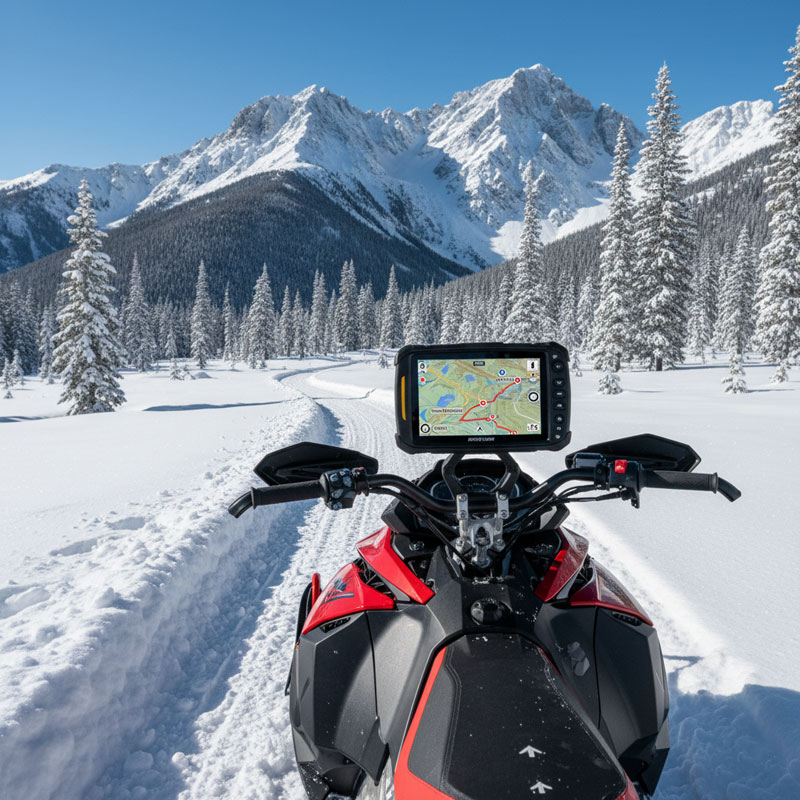
Snowmobiling offers an exhilarating escape into winter landscapes, but these adventures often take you into remote areas with challenging terrain and unpredictable weather. A reliable GPS unit isn’t just a convenience; it’s a critical safety tool that can mean the difference between an epic ride and a dangerous predicament.
Choosing the best snowmobile GPS involves considering various features tailored to the unique demands of winter off-road navigation. From rugged durability to specialized mapping, understanding what makes a GPS stand out will ensure you select a device that perfectly matches your riding style and safety needs. This comprehensive guide will walk you through the essential factors, helping you make an informed decision for your next snowmobile season.
Key Features to Consider
When selecting a snowmobile GPS, several core features are paramount for ensuring optimal performance and safety on the trails. These elements directly impact usability, durability, and the accuracy of your navigation.
Display Size and Type
The display is your primary interface with the GPS. For snowmobiling, a screen size between 6 to 8 inches generally offers a good balance of visibility and portability. An ultrabright, high-resolution display is crucial for readability in varying light conditions, from bright sun reflecting off snow to overcast skies.
Furthermore, a glove-friendly touchscreen is essential; fumbling with small buttons or removing gloves in freezing temperatures is impractical and uncomfortable. Look for capacitive touchscreens that respond well to gloved fingers. Some units also offer button controls as an alternative, which can be beneficial in extremely cold or wet conditions where touchscreens might be less responsive.
Durability and Weather Resistance
Snowmobiling is inherently harsh on electronics. Your GPS needs to withstand extreme cold, moisture from snow and ice, and vibrations from rough trails. Look for units with an IP (Ingress Protection) rating of at least IP67 or IPX7, indicating they are waterproof and dustproof. Military standard (MIL-STD-810) ratings for thermal shock, vibration, and impact resistance are also excellent indicators of a device’s ruggedness.
The casing should be robust, preferably made from durable plastics or rubberized materials that can absorb shocks and impacts without compromising internal components. A device built specifically for powersports or off-road use will inherently offer superior durability compared to a standard automotive GPS.
Mapping and Navigation Capabilities
This is arguably the most critical feature. A snowmobile GPS must provide detailed topographical maps that show elevation changes, contours, and natural features. Look for devices that come preloaded with snowmobile-specific trail maps for your region (U.S. and Canada are common).
These maps often include points of interest (POIs) like warming shelters, fuel stops, restaurants, and repair shops. Beyond dedicated snow trails, features like OpenStreetMap, U.S. Forest Service Motor Vehicle Use Maps (MVUM), and Adventure Roads and Trails content are invaluable for navigating unpaved roads and forest service paths that may double as snowmobile routes. Subscription-free BirdsEye Satellite Imagery or similar high-resolution aerial views can also provide crucial context, allowing you to identify terrain features and potential obstacles from an overhead perspective.
Battery Life and Power Options
Extended battery life is essential for long days on the trails, especially in cold weather which can rapidly drain batteries. Look for units offering 8-10 hours or more on a single charge. However, relying solely on internal batteries is risky. Ensure the GPS has robust power options, including a direct connection to your snowmobile’s 12V power supply. Many devices come with a tube mount and power cable for this purpose. Additionally, carrying a portable power bank is a smart backup solution, especially for multi-day trips or in emergencies. Some bundles even include these power banks, offering a complete power management solution for your device.
Connectivity (Bluetooth, Wi-Fi, Satellite)
Modern snowmobile GPS units offer various connectivity options that enhance functionality and safety. Wi-Fi allows for easy map and software updates without needing a computer, and enables downloading subscription-free satellite imagery directly to the device. Bluetooth connectivity facilitates pairing with compatible helmets or headsets for turn-by-turn voice prompts, and with smartphone apps for features like group ride tracking.
For ultimate safety in remote areas, built-in inReach technology (or compatibility with separate inReach devices) is a game-changer. This satellite communication system offers two-way text messaging, location sharing, and crucial interactive SOS capabilities, providing a lifeline even far beyond cellular service. Note that inReach features usually require an active satellite subscription.
Group Ride Features
Many snowmobilers enjoy riding in groups. Some advanced GPS units offer “group ride radio” or mobile app features that allow you to track the live locations of your fellow riders on your device’s map. This significantly enhances safety and coordination, especially when navigating complex trails or in conditions with limited visibility. These features typically rely on Bluetooth pairing with other compatible GPS units or active cellular connections and a companion smartphone app for each rider. It’s a valuable tool for keeping your group together and ensuring everyone’s safety.
Mounting Options
A secure and easily viewable mount is vital. The mount should be rugged, vibration-dampening, and designed to withstand snowmobile speeds and terrain. Look for versatile options like tube mounts, RAM-compatible adapters, or powered magnetic mounts that securely hold the device while allowing for quick attachment and removal. The ability to adjust the viewing angle is also important to minimize glare and ensure optimal visibility for all riders.
Understanding Different GPS Types
While many GPS devices exist, not all are created equal for snowmobiling. Understanding the distinctions can help refine your choice.
Dedicated Snowmobile GPS
These units are purpose-built for winter powersports. They often come preloaded with extensive snowmobile trail networks, POIs specific to snowmobiling (like warming shelters), and are designed to perform reliably in extreme cold, snow, and ice. Their displays are glove-friendly, and their construction is exceptionally rugged. The Garmin Tread 2 is an excellent example of a dedicated snowmobile GPS, optimized for this specific use case.
Multipurpose Off-Road Navigators
Devices like the Garmin Overlander or Tread Overland are designed for a broader range of off-road activities, including ATV, UTV, and overland vehicle use. While they are highly durable and offer excellent topographical mapping and navigation features, they may require downloading specific snowmobile trail maps or adjusting settings to fully optimize them for snowmobiling. Their strength lies in their versatility across different seasons and vehicles, often including features like iOverlander POIs for camping and broader off-grid exploration.
Smartphone Apps (with caveats)
While various smartphone apps offer GPS capabilities and mapping (e.g., Gaia GPS, Polaris Ride Command), relying solely on a smartphone for snowmobile navigation has significant drawbacks. Smartphones are generally not designed for extreme cold, their batteries drain quickly in low temperatures, and their touchscreens can be unresponsive to gloves.
Furthermore, cell service is often unavailable in remote snowmobile areas, rendering many app features useless without pre-downloaded maps. While useful as a backup or for planning, a dedicated, rugged GPS unit is always recommended for primary snowmobile navigation.
Advanced Features for Serious Riders
For those who venture deeper into the backcountry or demand the highest level of detail and safety, advanced features become particularly valuable.
Preloaded Trails and POIs
The quality and extent of preloaded snowmobile trail data are paramount. Beyond just lines on a map, look for systems that tag trails with difficulty ratings, grooming status (if available), and points of interest relevant to snowmobilers, such as maintenance shops, lodging, and scenic viewpoints. For international riders, coverage for both U.S. and Canadian provinces is a significant advantage.
Custom Routing and Track Recording
The ability to create custom routes, import GPX files from other riders or online sources, and accurately record your own tracks is invaluable. Track recording allows you to retrace your steps in whiteout conditions or share your favorite routes with others. Advanced units offer sophisticated trip planning tools, letting you plot multi-waypoint journeys with ease.
Altimeter, Barometer, Compass
Integrated sensors like an altimeter, barometer, and 3-axis compass provide crucial environmental data. An altimeter helps gauge your elevation, useful for understanding terrain and snowpack. A barometer can predict weather changes, signaling an approaching storm before it’s visually apparent. A compass provides true bearing, which is critical for navigation when moving slowly or when the GPS signal is weak. These tools collectively enhance situational awareness, especially in dynamic mountain environments.
Emergency Communication (inReach)
As mentioned, satellite communication capabilities, like Garmin’s inReach technology, are a non-negotiable for anyone venturing into areas without cellular coverage. The ability to send and receive two-way text messages, share your location with loved ones or emergency contacts, and, most importantly, trigger an interactive SOS to a 24/7 monitoring center can be life-saving. This feature offers unparalleled peace of mind when riding in remote wilderness. Always ensure your subscription is active before heading out.
Installation and Setup Tips
Once you’ve chosen your GPS, proper installation is key. Securely mount the device to a sturdy part of your snowmobile’s handlebars or dashboard, ensuring it’s within easy view but doesn’t obstruct controls or your field of vision. Use the provided power cable to connect it to your snowmobile’s electrical system, routing cables safely away from moving parts or hot components.
Before your first ride, fully charge the device, update all maps and software via Wi-Fi, and familiarize yourself with its functions. Plan a simple test route close to home to get comfortable with the interface before tackling longer expeditions.
Maintenance and Care
To ensure your snowmobile GPS lasts for many seasons, regular maintenance is important. After each ride, clean the screen and casing with a soft, damp cloth to remove snow, mud, and grime. Always ensure all port covers are securely closed to prevent moisture ingress.
When storing the device for the off-season, ensure it’s fully charged, store it in a cool, dry place, and occasionally check on its charge if it has an internal battery to prevent deep discharge. Periodically check for software updates from the manufacturer, as these often include performance improvements, bug fixes, and updated map data.
Conclusion
Choosing the best snowmobile GPS is an investment in your safety and enjoyment on the winter trails. By prioritizing features like rugged durability, comprehensive snowmobile-specific mapping, reliable power options, and critical safety functionalities like satellite communication, you can find a device that perfectly complements your riding style.
Whether you opt for a dedicated snowmobile navigator or a versatile off-road unit, a high-quality GPS will empower you to explore with confidence, navigate challenging terrain with precision, and always find your way back home. Gear up with the right technology, and prepare for unforgettable snowmobile adventures.