Best Smart Thermostat for Older Homes of 2026
Older homes often come with quirky wiring, no C-wire, and HVAC systems that predate today’s smart technology, making thermostat selection trickier than in newer builds. The right smart thermostat should bridge this gap, offering flexible wiring options, wide system compatibility, and reliable performance without a costly rewiring project. Whether you want simple programmable scheduling or full smart features like geofencing and voice control, this guide breaks down ten thermostats suited for older homes, covering their specs, strengths, and drawbacks so you can find the right match for your house.
1. White-Rodgers 80 Series 1F83C-11PR

- Display: Large, high-contrast screen readable in low light
- Programming: 7-day, 5-1-1, or off modes selectable
- Installation: Built-in level, pluggable terminals, guided setup menu
- Compatibility: Dual fuel standard, no external sensors needed
For older homes that don’t need app control, this White-Rodgers thermostat delivers dependable basic performance. It is not wifi enabled, which actually simplifies installation in houses with limited wiring or weak internet coverage. The dual fuel support handles older furnace and heat pump combinations without additional sensors, a common headache in aging HVAC setups.
The keypad lock and temperature limit features are useful in shared or rental properties. While it lacks remote access, its straightforward interface and rock-solid reliability make it a smart budget pick for anyone prioritizing function over smart features.
Pros: Simple and reliable; Budget friendly; Easy DIY installation; No C-wire complications for dual fuel setups
Cons: No wifi or app control; No voice assistant support; Basic non-touch display; Limited smart scheduling options
2. Vine Smart Thermostat with Nightlight

- Screen: 4.3 inch touchscreen with nightlight function
- Compatibility: Works with 90% of 24V AC systems
- Control: Alexa and Google Assistant voice support
- Wiring: C-wire required for operation
The Vine thermostat brings a modern touchscreen experience to older homes at an accessible price point. Its compatibility pre-check tool helps homeowners confirm suitability with older gas, oil, or boiler systems before buying, reducing the risk of a mismatched purchase. The nightlight feature is a small but appreciated touch for late night adjustments.
Setup does require a common wire, which can be a hurdle in some older properties without existing wiring for it. Once installed, the Smart Life app enables full remote scheduling, auto home and away detection, and weather-aware adjustments that help lower energy bills over time.
Pros: Affordable smart features; Bright easy to read touchscreen; Works with Alexa and Google Home; Quick 30 minute installation
Cons: C-wire required; Lesser known brand support; No Apple HomeKit compatibility; App may feel basic to some users
3. Aqara Smart Thermostat W200

- Screen: 4 inch touchscreen with Matter controller built in
- Compatibility: Works with about 85% of HVAC systems
- Sensing: Built-in mmWave radar for presence detection
- Wiring: Optional C-wire adapter sold separately, trim kit included
The Aqara W200 stands out for its trim kit, which conveniently covers the old wiring holes common in older wall installations, giving a finished look without patchwork. Its mmWave radar detects real presence rather than motion alone, allowing smarter automatic adjustments that suit homes with irregular schedules.
Matter 1.4 support ensures long-term compatibility across Apple, Google, Amazon, and Samsung ecosystems, which is valuable as smart home standards evolve. Apple Adaptive Temperature and Clean Energy Guidance add extra efficiency for Apple households, though these need a home hub to function.
Pros: Wide HVAC compatibility; Radar based presence detection; Included trim kit for old wiring; Local Matter based control
Cons: C-wire adapter sold separately; Apple features need extra hardware; Higher price point; Newer brand in the market
4. Google Nest Thermostat Charcoal

- Certification: ENERGY STAR certified for energy savings
- Connectivity: Dual band wifi with Bluetooth Low Energy
- Wiring: Works without C-wire in most homes
- Monitoring: HVAC monitoring with maintenance alerts
Google Nest designed this thermostat to work in most homes without a C-wire, a major advantage for older houses with limited wiring. The Savings Finder feature actively suggests schedule tweaks, making it easy for less tech savvy homeowners to save on energy without manual tinkering.
The HVAC monitoring alerts are particularly helpful for aging systems prone to wear, flagging issues before they become costly repairs. Remote access through the Google Home app lets multiple family members adjust settings, though some heat pump and zoned systems may still require a C-wire accessory.
Pros: No C-wire needed in most cases; Reliable Google Home integration; HVAC health monitoring; Attractive minimalist design
Cons: No physical keypad lock; May need accessory for zoned systems; Subscription needed for some features; No built-in sensor included
5. Honeywell Home T9 with Room Sensor

- Sensor: Included Smart Room Sensor with 200 ft range
- Compatibility: Forced air, hot water, steam, and heat pump systems
- Control: Works with Alexa, Apple HomeKit, and Google Assistant
- Wiring: C-wire required, adapter included in box
The Honeywell T9 addresses a common older home challenge: uneven heating across rooms. Its included Smart Room Sensor detects occupancy and lets the system prioritize comfort where people actually are, rather than relying on a single hallway reading that often misrepresents bedroom or living room temperatures.
Installation includes a power adapter that serves as a C-wire alternative, easing setup in wiring limited homes. It does not work with electric baseboard heat, so homeowners with that setup should look elsewhere. Otherwise, its multi-platform voice support and long sensor range make it versatile for larger older homes.
Pros: Included room sensor; Long 200ft sensor range; Broad voice assistant support; C-wire adapter included
Cons: No electric baseboard support; Requires app for full setup; Sensor needs battery replacement; Premium price for entry model
6. Sensi Lite Smart Thermostat ST25
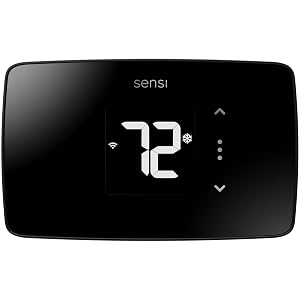
- Installation: Built-in level with step-by-step DIY guide
- Wiring: C-wire only needed for heat pump or heat/cool only systems
- Savings: ENERGY STAR certified, about 23% HVAC savings
- Privacy: No data sold or used for targeted advertising
Sensi Lite is built for straightforward DIY installation, a real benefit for older homes where hiring an electrician for every device is impractical. Most conventional systems do not require a common wire, which widens compatibility with vintage HVAC setups that lack extra wiring.
The app supports flexible scheduling, geofencing, and usage reports, giving homeowners visibility into energy consumption trends. Sensi’s stated privacy commitment is a nice bonus for those wary of data collection. It lacks a touchscreen, relying instead on simple buttons, which keeps the price low but limits visual flair.
Pros: Works without C-wire on most systems; Strong privacy policy; Easy DIY setup; Good energy savings reports
Cons: No touchscreen display; Basic aesthetic; Limited advanced smart features; App interface feels dated
7. Honeywell Home X8S Premium

- Display: Customizable 5 inch touchscreen display
- Air quality: Humidity and ventilation control included
- Compatibility: Up to 3 heat, 2 cool heat pump systems
- Wiring: C-wire required, free adapter voucher included
The X8S is a premium option for older homes undergoing a broader smart home upgrade. Its doorbell camera integration and included room sensor extend its usefulness beyond climate control, letting homeowners answer the door directly from the thermostat screen, a genuinely convenient feature.
The humidity and ventilation controls help address the air quality issues common in older, less insulated houses. Setup requires a C-wire, but Honeywell includes a free adapter voucher to offset that requirement. It does not support electric baseboard heat, so it is best suited to forced air or hot water systems.
Pros: Doorbell and intercom integration; Humidity and air quality control; Free C-wire adapter voucher; Matter certified for interoperability
Cons: Higher upfront cost; No electric baseboard support; Requires separate doorbell purchase; Larger footprint on the wall
8. Amazon Smart Thermostat

- Integration: Deep Alexa and Ring device compatibility
- Certification: ENERGY STAR certified for efficiency savings
- Scheduling: Home, away, and sleep schedules with Alexa+ automation
- Wiring: C-wire required for installation
Homeowners already invested in Alexa devices will find the Amazon Smart Thermostat a natural fit for an older house getting its first smart upgrade. It connects with select Alexa devices to build simple comfort zones and automatically adjust heating and cooling based on presence or temperature readings from nearby sensors.
The guided app based installation walks users through the process step by step, which helps offset the complexity often found in older wiring configurations. As with most budget smart thermostats, it does require a common wire, so homes without one will need an added accessory or professional help.
Pros: Affordable smart thermostat option; Deep Alexa ecosystem integration; Guided DIY installation; Rebate information provided post purchase
Cons: C-wire required; Limited non-Alexa smart home support; Fewer advanced sensors; Basic physical design
9. ecobee Smart Thermostat Premium

- Sensor: Included SmartSensor for room level comfort
- Compatibility: Works with 95% of 24VAC HVAC systems
- Air quality: Built-in air quality monitor with filter reminders
- Wiring: Power Extender Kit included for C-wire-less homes
The ecobee Premium is one of the most compatible options on this list, working with 95% of systems including boilers, PTACs, and multi-stage heat pumps common in older properties. The included Power Extender Kit eliminates the need for a separate C-wire purchase, a major convenience during installation.
Built-in radar occupancy sensing and an air quality monitor make it especially useful in older homes prone to drafts and dust. The premium metal design and built-in speaker with Siri or Alexa add a genuinely high end feel, though the price reflects its extensive feature set.
Pros: Excellent 95% system compatibility; Power Extender Kit included; Built-in air quality monitoring; Premium build quality
Cons: Higher price point; Larger unit on wall; Siri needs Apple home hub; Learning curve for full feature use
10. Sensi Touch 2 Smart Thermostat
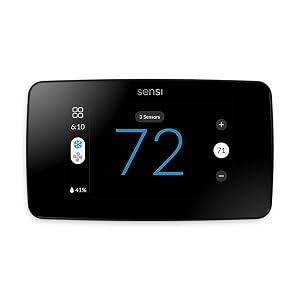
- Setup: Bluetooth guided app installation process
- Sensors: Compatible with optional Sensi Room Sensors
- Savings: ENERGY STAR certified, about 23% HVAC savings
- Wiring: C-wire required for operation
The Sensi Touch 2 upgrades on the Lite model with a full touchscreen and Bluetooth guided installation, making the setup process noticeably smoother for older homes with less predictable wiring layouts. It maintains the brand’s strong privacy stance, never selling personal data to third parties.
Optional room sensors let homeowners balance temperatures across different areas of an older, often unevenly insulated house. Maintenance reports and equipment alerts help monitor aging HVAC systems, flagging performance issues before they escalate. A common wire is required, unlike the Lite version, which may need extra installation planning.
Pros: Full touchscreen interface; Strong privacy protection; Compatible with room sensors; Detailed maintenance reporting
Cons: C-wire required; Room sensors sold separately; Pricier than Sensi Lite; Bluetooth setup can be finicky
How to Choose a Smart Thermostat for an Older Home
Choosing a smart thermostat for an older home is a different exercise than picking one for new construction. Older houses were often wired for simple mechanical thermostats decades ago, meaning they may lack the common wire, called a C-wire, that most modern smart thermostats need for continuous power. HVAC systems in older homes also tend to be simpler, sometimes single stage, sometimes non standard, such as boilers, oil furnaces, or electric baseboard heat, which not every smart thermostat supports. Beyond wiring and compatibility, older homes often have uneven insulation, drafts, and temperature variation between rooms, all of which affect which features will actually deliver comfort and savings. The following sections walk through the key factors to weigh before buying.
Check Your Wiring Situation First
Before anything else, open your existing thermostat and look at the wires connected to it. Most smart thermostats need continuous low voltage power to run their wifi radio and touchscreen, which is where the C-wire comes in. Many older homes were wired with only four wires for basic heating and cooling control, without the extra wire needed for constant power.
Options If You Don’t Have a C-wire
- Choose a thermostat with a Power Extender Kit or adapter included, such as those bundled by ecobee or Honeywell
- Buy a separate C-wire adapter if the manufacturer offers one, as with Aqara’s optional accessory
- Select a non-wifi programmable thermostat, like the White-Rodgers 80 Series, which avoids the C-wire requirement entirely
- Hire an electrician to run a new C-wire if you want full smart features without workarounds
Confirm HVAC System Compatibility
Older homes are more likely to have boilers, oil furnaces, steam heat, or heat pumps with auxiliary heat, none of which every thermostat is built to support. Before purchasing, use the compatibility checker most brands provide on their websites, and compare it against the labels on your existing thermostat wiring.
Systems That Need Extra Attention
| System Type | Compatibility Notes |
|---|---|
| Electric baseboard heat | Not supported by most smart thermostats including Honeywell T9 and X8S |
| Oil or gas furnace | Generally well supported across most brands |
| Heat pump with auxiliary heat | Check for multi-stage support such as ecobee’s 2 heat, 2 cool plus AUX |
| Boiler or steam heat | Supported by ecobee, Aqara, and select Honeywell models |
| Dual fuel systems | White-Rodgers supports dual fuel without extra sensors |
Decide How Much Smart Functionality You Actually Need
Not every older home needs a thermostat packed with sensors, cameras, and voice assistants. Some homeowners simply want reliable programmable scheduling without the complexity of an app, while others want full remote control, geofencing, and integration with an existing smart home ecosystem.
Basic Programmable Options
If your goal is simply saving energy with a set schedule, models like the White-Rodgers 80 Series or Sensi Lite provide dependable performance without wifi dependency, reducing points of failure and avoiding the need for a stable home network.
Full Smart Home Integration
If you already use Alexa, Google Assistant, or Apple Home, choosing a thermostat that fits your existing ecosystem keeps control unified. The Amazon Smart Thermostat pairs naturally with Alexa devices, while the Aqara W200 and ecobee Premium offer broader Matter based compatibility across multiple platforms.
Consider Room by Room Comfort
Older homes frequently have uneven heating and cooling due to inconsistent insulation, single pane windows, or additions built at different times. A single wall mounted sensor often cannot represent the whole house accurately, leading to some rooms feeling too hot while others stay cold.
Benefits of Remote Sensors
- Balance temperatures across bedrooms, living rooms, and additions
- Prioritize comfort in occupied rooms rather than hallway readings
- Reduce energy waste in unused areas of the home
- Improve sleep comfort by targeting bedroom temperature specifically
Thermostats like the Honeywell T9, X8S, ecobee Premium, and Sensi Touch 2 all support additional room sensors, making them strong picks for larger or multi-story older homes with noticeable temperature differences between floors.
Factor In Installation Difficulty
Older homes can present unexpected wiring quirks, outdated junction boxes, or plaster walls that complicate installation. Look for thermostats with clear guided setup, built-in level indicators, and pluggable terminals, all of which reduce the chances of a frustrating DIY experience.
Signs a Model Is Beginner Friendly
- Step-by-step app or printed instructions with wiring diagrams
- Built-in bubble level for straight mounting
- Pluggable or labeled terminals instead of loose screw connections
- Trim kits or wall plates to cover old paint marks or holes
If your home’s wiring feels unfamiliar or the existing thermostat uses unusual wire colors, it may be worth having a professional handle installation rather than risking damage to the HVAC control board.
Think About Long Term Savings and Certifications
Most of the thermostats reviewed above carry ENERGY STAR certification, meaning they meet efficiency standards that can lead to noticeable savings on heating and cooling bills over time. Older homes, which often lose more energy through drafts and aging insulation, tend to benefit the most from automated scheduling and geofencing features that reduce unnecessary heating or cooling when no one is home.
Ways Smart Features Translate to Savings
| Feature | How It Helps Older Homes |
|---|---|
| Geofencing or Auto Away | Reduces energy use automatically in draftier homes when unoccupied |
| Usage reports | Highlights inefficient equipment common in aging HVAC systems |
| Remote sensors | Prevents overheating or overcooling unused rooms |
| Maintenance alerts | Flags issues early in older, more failure prone systems |
Final Buying Checklist
- Confirm whether your home has a C-wire, or choose a model with an adapter included
- Match the thermostat to your specific HVAC system, especially boilers or baseboard heat
- Decide between basic programmable control and full smart home integration
- Consider remote sensors if your home has uneven temperatures between rooms
- Prioritize easy installation features if you plan to DIY the setup
- Look for ENERGY STAR certification to maximize long term energy savings
Taking the time to assess your home’s wiring, HVAC system, and comfort needs before buying will save both money and frustration. An older home does not have to miss out on smart thermostat benefits, it simply requires a more careful match between the technology and the house’s existing infrastructure.