Best Smart Thermostat for Multiple Zones of 2026
Managing temperature across a multi-story home or a house with distinct living areas can be tricky with a single thermostat. Smart thermostats for multiple zones solve this problem by letting you control heating and cooling independently in different areas, improving comfort while reducing energy waste. With Wi-Fi connectivity, app control, and compatibility with voice assistants, these devices make it easy to schedule, monitor, and adjust temperatures room by room. Below, we review seven top-rated options and explain how to pick the right one for your home.
1. Google Nest Thermostat – Smart Thermostat for Home

Connectivity: Wi-Fi 802.11b/g/n 2.4GHz and 802.11a/n 5GHz, Bluetooth Low Energy
Certification: ENERGY STAR certified
Wiring: Works without C-wire in most homes; required for zoned systems
Control: Google Home app for Android and iPhone
The Google Nest Thermostat is a reliable pick for anyone wanting a hands-off approach to comfort. It automatically turns itself down when you leave, preventing wasted energy in an empty home, and its Savings Finder feature suggests schedule tweaks to lower your bills. The HVAC monitoring system also alerts you if something seems wrong with your equipment, which is useful for long-term maintenance.
Setup is straightforward through the Google Home app, and multiple family members can adjust the temperature remotely from their own devices. While it works without a C-wire in many setups, zone-controlled systems typically need one, so checking compatibility first is recommended.
Pros:
– Auto-adjusts when home is empty
– Remote access for multiple users
– HVAC health alerts
Cons:
– C-wire often needed for zoned systems
– No lock feature
2. Amazon Smart Thermostat

Connectivity: Works with Alexa and Ring devices
Certification: ENERGY STAR certified
Wiring: C-wire required
Control: Alexa app with schedule automation
The Amazon Smart Thermostat is designed for households already invested in the Alexa ecosystem. By connecting to select Alexa devices, it can create comfort zones and automatically adjust temperature based on presence detection or ambient readings, making multi-zone-style comfort possible without a dedicated zoning system.
Installation is DIY-friendly, guided step-by-step through the Alexa app, and customer support is available if needed. Energy Star certification means it can help cut yearly energy bills significantly, and Amazon even follows up with rebate information after purchase. The requirement for a C-wire may be a limiting factor for older homes.
Pros:
– Alexa+ automation for smarter scheduling
– Rebate information provided post-purchase
– Simple DIY installation
Cons:
– C-wire required
– Limited to Alexa ecosystem for advanced features
3. Sensi Smart Thermostat ST55

Connectivity: Wi-Fi, works with Alexa
Certification: ENERGY STAR certified
Wiring: C-wire not required in most applications
Design: Fits standard thermostat footprint
Sensi stands out for its simple, traditional look combined with smart features. It fits into the same wall space as an older thermostat, so there’s no need to patch or repaint. The built-in level and app-guided installation make DIY setup quick, even for those without prior experience.
Beyond scheduling and remote access, Sensi delivers usage reports and maintenance reminders like filter replacement alerts, helping homeowners keep their HVAC systems running efficiently. Energy savings of around 23% are claimed, and privacy-conscious buyers will appreciate that personal data isn’t sold to third parties.
Pros:
– No C-wire needed in most homes
– Fits existing thermostat footprint
– Strong privacy policy
Cons:
– Basic display compared to touchscreen rivals
– Fewer third-party integrations
4. Aqara Smart Thermostat W200

Display: 4 inch touchscreen
Sensors: Built-in mmWave radar presence detection
Protocol: Matter 1.4 for local control
Compatibility: Works with about 85% of HVAC systems
The Aqara W200 is a feature-rich option built for smart homes already using Matter-compatible devices. Its mmWave radar detects real human presence rather than simple motion, allowing it to adjust temperature automatically as you move through the house. Apple Adaptive Temperature and Clean Energy Guidance add further automation for iPhone and Apple Home users.
Beyond climate control, the W200 doubles as a smart display for a compatible video doorbell and lock, letting you view visitors and unlock doors from the thermostat itself. Installation is straightforward for most systems, though homes without a C-wire will need to purchase an adapter separately.
Pros:
– Accurate radar-based presence detection
– Local Matter control for reliability
– Doubles as a smart display
Cons:
– C-wire adapter sold separately
– Advanced features need Apple ecosystem
5. Honeywell Home RTH9600WF Smart Color Thermostat

Display: Customizable high-definition color touchscreen
Certification: ENERGY STAR certified
Wiring: C-wire required
Compatibility: Forced air, hot water, steam, heat pumps with electric backup
The Honeywell RTH9600WF combines a vibrant, customizable touchscreen with practical on-screen information like indoor and outdoor temperature, humidity, and daily weather forecasts. It works with Alexa, Google Assistant, and Microsoft Cortana, giving flexibility for households with mixed smart home ecosystems.
It supports both fully automated scheduling and a simpler set-it-and-forget-it mode for those who prefer less interaction. It is not compatible with electric baseboard heating, and a C-wire is mandatory, so checking your system beforehand is essential. Overall, it’s a strong choice for forced-air and hot water systems.
Pros:
– Customizable color display
– Broad voice assistant support
– On-screen weather and humidity data
Cons:
– C-wire required
– Not compatible with electric baseboard heat
6. vine Smart Thermostat for House
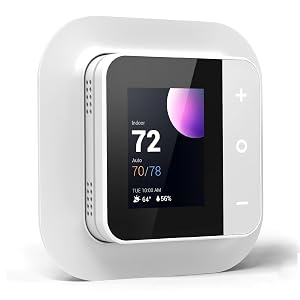
Scheduling: 7-day by 8-period programmable
Certification: ENERGY STAR certified
Wiring: C-wire required
Compatibility: Works with 90% of 24V AC systems
The vine Smart Thermostat offers a budget-friendly path into smart climate control with a wide range of practical features. Its 7-day, 8-period scheduling allows detailed customization for different daily routines, while Auto Home/Away mode helps conserve energy without manual input.
Additional touches like filter change reminders, temperature alerts, and child lock functionality add convenience and safety for families. Installation takes about 20 minutes with step-by-step guides, though a C-wire is required, and compatibility should be verified using the provided QR code before purchase.
Pros:
– Detailed 7-day scheduling
– Child lock included
– Quick installation
Cons:
– C-wire required for all setups
– Less known brand ecosystem
7. ecobee Smart Thermostat Essential (Pack of 10)
Certification: ENERGY STAR certified
Compatibility: Works with about 85% of systems
Wiring: No C-wire needed with optional Power Extender Kit
Ecosystem: Apple HomeKit, Google Assistant, Alexa
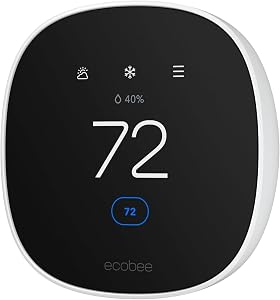
Designed for multi-unit or multi-room installations, this pack of 10 ecobee Smart Thermostat Essential units is ideal for property managers or larger homes needing consistent zone-by-zone control. Each unit uses a simple color touchscreen and connects easily with the ecobee app for scheduling and monitoring.
The thermostat automatically adjusts to your set schedule, saving energy when you’re away and restoring comfort when you return. Free software upgrades keep the units current over time. Homes without a C-wire can use the separately sold Power Extender Kit, and the trim kit helps maintain a clean wall finish.
Pros:
– Bulk pack ideal for multiple zones
– Free ongoing software upgrades
– Works with major smart home platforms
Cons:
– Power Extender Kit sold separately
– Bulk purchase may not suit single-home buyers
How to Choose a Smart Thermostat for Multiple Zones
Choosing the right smart thermostat for a multi-zone home involves more than picking the most popular brand. Since every household has different HVAC configurations, family routines, and smart home ecosystems, understanding the key factors before buying can save both money and frustration down the road. Below is a detailed breakdown of what to consider.
Understand Your HVAC System First
Before purchasing any smart thermostat, it’s essential to know what type of HVAC system your home uses. Some thermostats are built for forced-air systems, while others support heat pumps, boilers, or hot water systems. Zone-controlled systems, which use multiple thermostats to manage different areas independently, often require thermostats specifically rated for compatibility with zoning panels or dampers.
Many manufacturers provide free online compatibility checkers where you input your current system’s wiring details. This step prevents the common mistake of buying a thermostat that later turns out to be unusable with an existing zoning setup.
Common HVAC Types and Compatibility
| HVAC Type | Common Compatibility |
|---|---|
| Forced air (gas, oil, electric) | Most smart thermostats |
| Heat pump systems | Requires specific settings; check zone support |
| Hot water or steam | Limited thermostat options |
| Electric baseboard heat | Often not compatible with standard smart thermostats |
C-Wire Requirements
One of the most overlooked details when buying a smart thermostat is whether a C-wire (common wire) is needed. The C-wire supplies continuous power to the thermostat, which many smart features rely on. Some thermostats work without one in simple systems, but multi-zone setups often require a C-wire or a compatible power adapter due to the added electrical load of zoning equipment.
If your home lacks a C-wire, look for a model that either includes a power extender kit or supports one as an add-on accessory. This avoids the need for costly electrical rewiring.
Number of Zones and Thermostats Needed
For homes with multiple zones, you’ll typically need one thermostat per zone, all connected to the same app or hub for unified control. Before purchasing, map out how many zones your home has and whether you want independent scheduling for each area, such as separate schedules for a home office, upstairs bedrooms, or a basement.
Buying multi-packs, like a set of ten thermostats, can be more cost-effective for larger homes or property managers overseeing several units. However, single-purchase options are better suited for smaller homes or apartments with only one or two zones.
Smart Home Ecosystem Compatibility
Another important consideration is which smart home ecosystem you already use or plan to adopt. Some thermostats work seamlessly with Amazon Alexa, while others are optimized for Google Assistant, Apple HomeKit, or Siri. If you use multiple smart devices, look for thermostats supporting the Matter protocol, which allows local control across ecosystems without depending entirely on cloud connectivity.
Ecosystem Considerations
- Alexa-focused homes should prioritize Alexa-certified thermostats for smoother automation.
- Apple Home users benefit from thermostats offering Adaptive Temperature and Siri control.
- Homes with mixed devices should look for Matter-compatible models for universal support.
- Property managers may prefer simpler apps that don’t require a specific voice assistant.
Presence Detection and Automation Features
Modern thermostats increasingly rely on presence detection to automatically adjust temperatures. Some use simple geofencing through a smartphone’s location, while more advanced models use built-in radar sensors to detect real human presence in a room. This is particularly useful in multi-zone setups, where different areas of the home may be occupied at different times of day.
Automation features like adaptive scheduling, energy-saving suggestions, and away-mode detection can significantly reduce energy waste, especially in larger homes where unused zones would otherwise be heated or cooled unnecessarily.
Display and Control Options
Consider whether you prefer a touchscreen display, physical buttons, or full app-based control. Touchscreen models often provide more visual information, such as weather forecasts, humidity levels, and energy usage graphs, while simpler button-based thermostats may be easier for less tech-savvy household members to use.
Remote app control is essential for larger homes, allowing multiple family members or property managers to adjust settings from anywhere. Look for apps that support user permissions if multiple people will be managing different zones.
Feature Comparison Checklist
- Touchscreen display with weather and humidity info
- Remote access via smartphone app
- Voice assistant compatibility
- Presence detection (geofencing or radar-based)
- Maintenance alerts and filter reminders
- Multi-user access and permissions
Energy Savings and Certifications
Look for ENERGY STAR certification, which indicates the thermostat meets efficiency standards set by the EPA. Certified models often include usage reports and energy-saving suggestions that can lead to meaningful reductions in utility bills over time. Some brands also offer rebate programs through local energy providers, which can offset the initial purchase cost.
Installation and Maintenance
Most smart thermostats are designed for do-it-yourself installation, with step-by-step instructions provided through companion apps. However, multi-zone systems can involve more complex wiring, especially when connecting to zoning control panels or dampers. If you’re unfamiliar with HVAC wiring, professional installation may be worth the extra cost to avoid damaging sensitive equipment.
Ongoing maintenance features like filter change reminders and HVAC health alerts help extend the life of your system and prevent unexpected breakdowns, which is especially valuable when maintaining multiple zones simultaneously.
Budget Considerations
Prices for smart thermostats vary widely depending on features like touchscreen displays, radar sensors, and multi-device ecosystems. For multi-zone homes, it’s worth calculating the total cost of outfitting every zone rather than judging based on a single unit’s price. Bulk packs can offer savings for larger installations, while premium single units may be justified for zones requiring advanced features like presence detection or smart display integration.
By carefully evaluating your HVAC system, wiring requirements, ecosystem preferences, and desired features, you can select smart thermostats that work seamlessly across every zone in your home, delivering both comfort and long-term energy savings.