
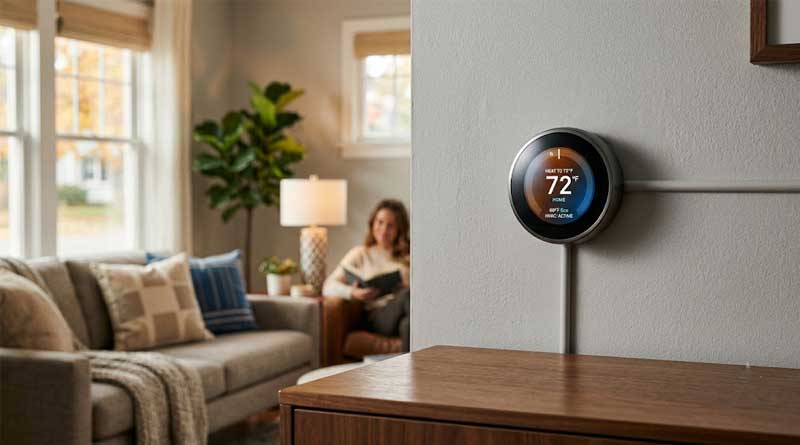
Best Digital Thermostat for Home of 2026
Choosing the right digital thermostat can make a real difference in home comfort and energy bills. With smart features like WiFi connectivity, voice assistant support, and adaptive scheduling, today’s thermostats do far more than adjust temperature. Whether you’re upgrading an outdated wall unit or building a fully connected smart home, the right thermostat should match your HVAC system, your budget, and your lifestyle. Below, we review seven of the most popular digital thermostats for home use, followed by a detailed buying guide to help you pick the best one for your needs.
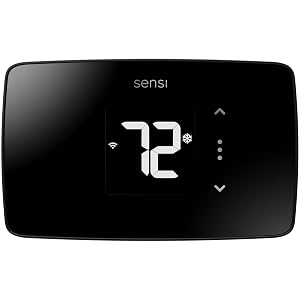
1. Sensi Lite Smart Thermostat
- Installation: DIY setup with built-in level and guided steps
- Wiring: C-wire needed for heat pump and heat/cool-only systems
- Energy Savings: ENERGY STAR certified, saves up to 23% on HVAC use
- Control: WiFi enabled with Android, iOS, and Alexa support
The Sensi Lite is a solid entry-level smart thermostat built for homeowners who want an easy upgrade without a complicated setup. The built-in level and step-by-step app instructions make installation approachable even for first-time DIYers, and it works with most standard HVAC systems found in typical homes.
Beyond installation, the Sensi Lite stands out for its privacy commitment, since the company does not sell user data for advertising. Combined with geofencing, flexible scheduling, and remote smartphone access, it delivers strong everyday value. It is a great choice for anyone prioritizing simplicity and data privacy over flashy extras.
Pros:
- Very easy DIY installation
- Strong privacy protections
- Affordable price point
Cons:
- No color touchscreen
- C-wire required for some systems
2. Honeywell Home RTH9600WF

- Display: Customizable high-definition color touchscreen
- Compatibility: Forced air, hot water, steam, and heat pump systems
- Wiring: C-wire and power adapter required
- Smart Home: Works with Alexa, Google Assistant, and Cortana
The Honeywell RTH9600WF brings a vibrant, fully customizable touchscreen to the thermostat category, letting you personalize the display color to match your décor. It also shows local weather forecasts along with indoor and outdoor humidity, giving users more context than a basic temperature reading.
This model is ENERGY STAR certified and tracks your heating and cooling habits to send personalized energy-saving tips. Many utility providers offer rebates for this thermostat, adding extra savings potential. The main limitation is the mandatory C-wire, which means it is not compatible with electric baseboard heating setups.
Pros:
- Bright customizable touchscreen
- Detailed weather and humidity data
- Rebate eligibility with many providers
Cons:
- C-wire strictly required
- Not compatible with baseboard heat
3. Amazon Smart Thermostat

- Integration: Deep Alexa and Ring device compatibility
- Wiring: C-wire required for installation
- Automation: Presence detection based scheduling with Alexa+
- Savings: ENERGY STAR certified, averages $90 yearly savings
For households already invested in Amazon’s ecosystem, this thermostat is a natural fit. It connects with select Alexa devices to build comfort zones around the house, adjusting temperature automatically based on presence or temperature sensor readings from connected Echo devices.
Installation is guided entirely through the Alexa app, making it approachable for DIYers, and Amazon provides rebate information via email after purchase. While it lacks some of the advanced sensor accessories of competitors, its tight Alexa integration and straightforward scheduling make it a dependable, budget-friendly option for smart home enthusiasts.
Pros:
- Excellent Alexa and Ring integration
- Simple app-guided installation
- Competitive pricing
Cons:
- C-wire required
- Best features need other Alexa devices
4. ecobee Smart Thermostat Essential

- Compatibility: Works with 85% of HVAC systems
- Wiring: No C-wire required, optional Power Extender Kit available
- Smart Home: Compatible with Siri, Alexa, and Google Assistant
- Savings: Up to 23% savings on heating and cooling costs
The ecobee Smart Thermostat Essential offers one of the broadest compatibility ranges on this list, working with most 24VAC systems including heat pumps and boilers. Its color touchscreen is simple to navigate, and the optional Power Extender Kit removes the common C-wire barrier for older homes.
With triple voice assistant support and continuous free software updates, this thermostat stays current over time. The mobile app provides detailed energy tracking so homeowners can monitor consumption trends. It’s an excellent all-around choice for those wanting flexibility across different smart home platforms.
Pros:
- Broad HVAC compatibility
- No C-wire required with PEK
- Works with Siri, Alexa, and Google
Cons:
- PEK sold separately
- Trim kit sold separately
5. Google Nest Thermostat

- Connectivity: Dual-band WiFi with Bluetooth Low Energy
- Wiring: Works without C-wire in most homes
- Monitoring: HVAC system health alerts and maintenance reminders
- Control: Remote access via Google Home app
Google Nest Thermostat combines a minimalist design with genuinely useful automation. It automatically lowers energy use when everyone leaves home, and the Savings Finder feature continuously scans your schedule for opportunities to cut costs further, all without requiring manual adjustments.
Setup is generally C-wire free, though some heat pump or zoned systems may need an accessory. The built-in HVAC monitoring alerts users to potential system issues before they become costly repairs. For Android and Google ecosystem users, this thermostat integrates especially smoothly into daily routines.
Pros:
- Sleek, minimal hardware design
- No C-wire needed in most cases
- Proactive HVAC health alerts
Cons:
- No lock feature
- Some systems need extra accessories
6. Sensi Smart Thermostat

- Design: Traditional look with physical buttons
- Wiring: C-wire not required in most applications
- Savings: ENERGY STAR certified, saves about 23% on HVAC energy
- Maintenance: Usage reports and filter replacement reminders
The Sensi ST55 is designed for homeowners who want smart functionality without changing the classic thermostat look. Its physical buttons and traditional footprint mean no wall patching is needed during replacement, while the built-in level simplifies DIY installation for most HVAC configurations.
Beyond scheduling and remote access, the ST55 shines with its smart maintenance reports, alerting users to HVAC performance issues and reminding them about filter changes. Combined with Sensi’s strict no-data-selling privacy policy, it’s a dependable, low-fuss option for privacy-conscious households wanting reliable smart features.
Pros:
- No wall patching needed
- No C-wire in most homes
- Useful maintenance alerts
Cons:
- Basic button-based interface
- No color touchscreen
7. Vine Smart Thermostat with Nightlight

- Display: 4.3-inch touchscreen with built-in nightlight
- Compatibility: Works with 90% of 24V AC systems
- Wiring: C-wire required for all installations
- Scheduling: 7-day, 8-period flexible programming
The Vine Smart Thermostat offers a large, crisp touchscreen with a nightlight feature that’s especially handy for checking temperature in the dark without turning on a light. It supports a wide range of conventional and heat pump systems, plus data encryption and automatic WiFi reconnection.
With Auto Home/Away mode and detailed 7-day scheduling, it adapts easily to changing routines while keeping energy costs down. Voice control through Alexa and Google Home rounds out the feature set. The requirement of a C-wire in every installation is its main limiting factor for older homes.
Pros:
- Large screen with nightlight
- Wide system compatibility
- Flexible 7-day scheduling
Cons:
- C-wire always required
- Newer brand, less established support
How to Choose the Best Digital Thermostat for Your Home
Picking a digital thermostat is not just about choosing the most feature-packed model on the shelf. The right thermostat depends on your HVAC system, your home’s wiring, your smart home ecosystem, and how hands-on you want to be with daily temperature adjustments. Below is a detailed breakdown of the factors that matter most when comparing options like the ones reviewed above.
1. Check Your HVAC System Compatibility First
Before anything else, confirm your thermostat will actually work with your heating and cooling system. Most digital thermostats are designed for 24V AC systems, but compatibility varies depending on whether you have a conventional forced-air system, a heat pump, a boiler, or electric baseboard heat. Some thermostats, like the Honeywell RTH9600WF, explicitly do not support baseboard heating, while others like ecobee advertise compatibility with 85% of systems. Nearly every brand offers an online compatibility checker where you enter your existing wiring configuration before purchasing.
Common System Types
- Conventional forced air (gas, oil, or electric)
- Heat pump systems, with or without auxiliary heat
- Boilers and radiant heating systems
- Dual fuel and zoned systems
2. Understand the C-Wire Requirement
The common wire, or C-wire, provides continuous power to a smart thermostat so it can run a WiFi connection, display, and other electronics. Some thermostats require it outright, while others work without one in most installations by drawing small amounts of power from other wires.
| Thermostat | C-Wire Requirement |
|---|---|
| Sensi Lite | Needed for heat pump/heat-cool only systems |
| Honeywell RTH9600WF | Required |
| Amazon Smart Thermostat | Required |
| ecobee Essential | Not required, PEK available |
| Google Nest | Not required in most homes |
| Sensi ST55 | Not required in most applications |
| Vine Smart Thermostat | Required |
If your home doesn’t have a C-wire and running new wiring isn’t practical, prioritize models that work without one, or budget for a power extender kit as an add-on accessory.
3. Decide Which Smart Home Ecosystem You Want to Support
Most digital thermostats now support at least one major voice assistant, but coverage varies. If your household already relies heavily on Amazon Alexa, Google Assistant, or Apple HomeKit and Siri, choosing a thermostat that integrates smoothly avoids future frustration.
Ecosystem Compatibility Highlights
- Alexa: supported by nearly all models reviewed here
- Google Assistant: supported by ecobee, Nest, Vine, and others
- Apple HomeKit and Siri: supported by ecobee Essential
- Ring integration: unique to the Amazon Smart Thermostat
4. Consider Installation Difficulty
Almost every thermostat on this list is marketed as DIY-friendly, but ease of installation still varies. Features like a built-in bubble level, labeled wiring diagrams, and guided app-based setup steps make a noticeable difference for first-time installers. If you are not confident working with wiring, look for models with strong step-by-step app instructions or consider hiring a professional electrician or HVAC technician for a one-time setup.
Tips for a Smooth Installation
- Take a photo of your existing wiring before disconnecting anything
- Turn off power at the breaker before starting
- Label each wire using the included labels or stickers
- Use the manufacturer’s compatibility checker beforehand
5. Evaluate Energy Savings Features
One of the biggest reasons to upgrade to a digital thermostat is energy savings. ENERGY STAR certified models, which include most of the thermostats reviewed above, are independently verified to reduce energy waste. Features like geofencing, learning schedules, and away-mode detection all contribute to lower utility bills without requiring constant manual adjustments.
Energy-Saving Features to Look For
- Geofencing or presence detection
- Adaptive or learning schedules
- Usage reports and energy tracking dashboards
- Utility rebate eligibility
6. Think About Display and Interface Preferences
Some homeowners want a large, colorful touchscreen with weather updates and humidity readings, while others prefer a simple, traditional-looking unit with physical buttons. The Honeywell RTH9600WF and Vine Smart Thermostat both offer vibrant touchscreens with extra display information, while the Sensi ST55 keeps things minimal with a classic look and tactile buttons. Consider where the thermostat will be mounted and how often household members will be reading or adjusting it directly on the wall versus through an app.
7. Factor In Data Privacy
Smart thermostats collect data about your daily routines, including when you’re home and your temperature preferences. If privacy is a priority, look closely at each brand’s data policy. Sensi, for example, explicitly states it does not sell personal data or use thermostat activity for advertising purposes. Reading the privacy policy before purchasing can help you choose a brand whose data practices align with your comfort level.
8. Compare Pricing and Long-Term Value
Pricing among digital thermostats varies based on display quality, sensor accessories, and brand ecosystem. Entry-level options like the Sensi Lite are budget-friendly and cover the essentials, while models like ecobee Essential and Google Nest sit in the mid-range with additional features and broader compatibility. Rather than focusing purely on upfront cost, weigh the long-term energy savings, potential utility rebates, and durability of the hardware, since a slightly higher initial investment often pays for itself over a few years of reduced energy bills.
Final Thoughts
The best digital thermostat for your home ultimately depends on your HVAC system’s wiring, your preferred smart home ecosystem, and how much control and automation you want. Start by confirming compatibility and C-wire availability, then narrow your choices based on display preferences, energy-saving features, and privacy considerations. With the right match, a digital thermostat can pay for itself through lower energy bills while making your home noticeably more comfortable and convenient to manage.