Best Tackle Boxes for Kayak Fishing of 2026
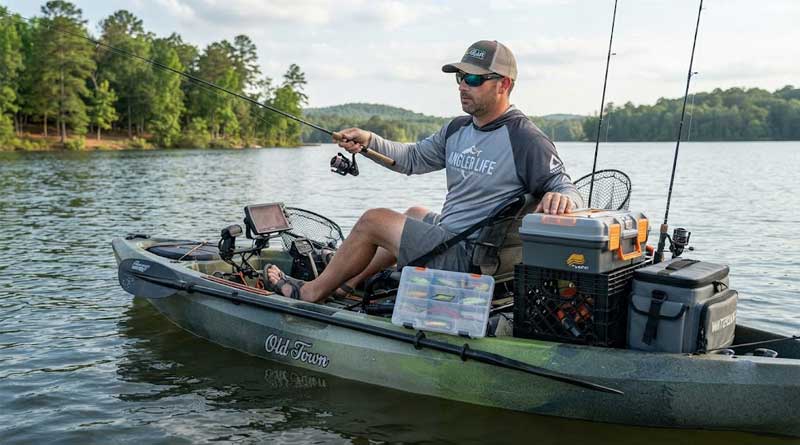
Kayak fishing offers a unique and thrilling way to reach remote waters, but the limited deck space on a kayak demands smart gear organization. Having a reliable, easily accessible tackle box can make or break your day on the water. The best kayak fishing tackle boxes must protect your gear from splashes, fit snugly into tight tank wells or hatches, and withstand harsh marine elements. Let us explore the top-rated tackle boxes designed to keep your gear dry, secure, and ready for action.
1. KastKing HyperSeal

- Available Sizes: 3600 and 3700 options to fit standard bags.
- Waterproof Rating: Fully waterproof with a 360-degree sealing gasket.
- Latch System: Quick one-hand open and close latch.
- Divider Type: Adjustable, ventilated dividers with anti-rust desiccant.
The KastKing HyperSeal is engineered for kayakers who require absolute moisture protection on the water. Its heavy-duty frame features a reliable 360-degree waterproof gasket that completely seals out splashes and rain, ensuring your expensive lures and hooks remain entirely dry and rust-free throughout your trip.
The interior features customizable dividers that lock tightly to prevent small terminal tackle from shifting during transport. Additionally, the innovative one-hand latch system allows you to easily access your baits with a single movement, leaving your other hand free to steady your kayak paddle or hold your fishing rod.
Pros:
- Excellent waterproof seal
- Easy one-hand latch operation
- Anti-rust desiccant included
Cons:
- Slightly heavier than standard non-waterproof boxes
2. KastKing BlowBak

- Material: Tough 600D water-repellent fabric.
- Dimensions: Compact 8 by 6 by 14 inches.
- Storage Capacity: Holds up to two 3600-size tackle trays.
- Attachment System: Integrated die-cut tactical MOLLE system.
The KastKing BlowBak is an exceptional tactical sling backpack designed specifically for highly mobile kayak and canoe anglers. Its lightweight design sits comfortably on your back, freeing up valuable deck space on your kayak while keeping your essential fishing tools within arm’s reach.
The main storage compartment fits multiple tackle trays, while the exterior features dedicated holders for your pliers and water bottle. The water-repellent interior coating adds an extra layer of defense, keeping your gear safe from occasional splashes while you navigate rougher waters.
Pros:
- Keeps hands completely free
- Versatile MOLLE system
- Comfortable padded shoulder strap
Cons:
- Not fully submersible or waterproof
3. Plano Guide Series

- Waterproofing: Fully submersible to one meter for thirty minutes.
- Material: Impact-resistant and crushproof polycarbonate.
- Sealing Mechanism: Dri-Loc O-ring seal with three heavy-duty clasps.
- Interior Features: Slip-resistant rubber lining to protect fragile items.
The Plano Guide Series 3500 is a virtually indestructible dry box built for the harshest marine environments. Its impact-resistant polycarbonate shell can handle heavy drops, while the specialized Dri-Loc O-ring creates an airtight and watertight barrier that protects your most sensitive electronics, keys, and wallets.
Inside, a soft slip-resistant rubber lining prevents your valuable gear from sliding around while paddling through choppy currents. The three ultra-secure cam-action latches ensure the lid remains locked tight, providing absolute peace of mind even if your kayak happens to capsize.
Pros:
- Completely submersible
- Crushproof construction
- Slip-resistant interior lining
Cons:
- Limited storage capacity for larger fishing lures
4. Plano Small Double-Sided Tackle Box

- Compartments: Ten to twenty adjustable storage spaces.
- Storage Design: Double-sided configuration for maximum efficiency.
- Footprint Size: Compact 3400 Series dimensions.
- Lid Type: Transparent plastic for quick content identification.
The Plano Small Double-Sided Tackle Box is an excellent choice for kayak anglers looking to maximize their limited tackle storage space. By utilizing a double-sided design, this utility box offers double the storage capacity of a standard box without taking up extra space on your deck.
The clear plastic lids make it incredibly easy to scan your collection and select the right bait without opening multiple compartments. Its secure latching system keeps your hooks and terminal tackle safe and separated, making it a reliable choice for budget-conscious anglers.
Pros:
- Highly space-efficient
- Customizable compartment dividers
- Transparent lids
Cons:
- Lacks a waterproof gasket seal
5. Flambeau Outdoors Clear Fishing Organizer

- Anti-Rust Technology: Infused with patented Zerust corrosion inhibitors.
- Dimensions: Generous fifteen by eight by six inches size.
- Dividers: Three adjustable dividers creating up to four compartments.
- Design Shape: Double deep satchel layout built for soft baits.
The Flambeau Outdoors Clear Fishing Organizer is specifically tailored for anglers who love using soft plastic baits. Its unique double-deep satchel design provides ample room to stack entire packages of soft plastics vertically, keeping them organized and preventing them from getting bent or deformed.
What sets this organizer apart is the proprietary Zerust technology infused directly into the plastic dividers. This technology slowly emits an odorless vapor that coats your metal hooks and jigs, protecting them from rust and corrosion for up to five full years in salty environments.
Pros:
- Excellent rust protection
- Spacious double-deep design
- Durable built-in handle
Cons:
- Too bulky for small kayak storage hatches
How to Choose Kayak Fishing Tackle Box
Understanding Kayak Space Constraints
Kayak fishing requires a minimalist mindset because space is at an absolute premium on a small watercraft. Unlike a bass boat with massive rod lockers and deck storage, a kayak has limited area behind the seat, inside small hatch covers, or along the deck track systems. To optimize your layout, you must select tackle boxes that fit perfectly into the specific dimensions of your kayak tank well or center console.
Before purchasing any storage solution, measure your kayak storage wells and hatch openings carefully. Many modern fishing kayaks are built to accommodate standard utility box footprints, particularly the thirty-six hundred and thirty-seven hundred series. Choosing boxes that match these standard dimensions allows you to stack your gear vertically or slide them under your seat easily. This organized approach prevents clutter and ensures your boat remains balanced while you fish.
Waterproofing and Rust Prevention
Water exposure is an inevitable reality when fishing from a kayak, as you sit very close to the water surface. Waves, paddle drips, rain, and the occasional roll can submerge your gear in seconds, making water protection your top priority. Saltwater environments are particularly harsh, accelerating the corrosion of expensive hooks, split rings, and wire baits if they are left damp inside a sealed box.
Look for tackle systems that feature heavy-duty rubber gaskets and multi-latch locking mechanisms to create an airtight seal. Some advanced containers use integrated vapor corrosion inhibitors infused directly into the plastic, which creates a protective molecular layer over your metal lures. If a box is not fully waterproof, make sure it has adequate drainage or ventilation holes so you can dry your gear after a long day on the lake.
Durability and Material Construction
The construction material of your tackle box dictates how well it will survive the rigors of kayak fishing. Kayak gear is frequently dropped, stepped on, exposed to intense UV rays, and tossed around during transport. Cheap, brittle plastics will crack quickly under these demanding conditions, potentially spilling your entire lure collection into the water.
Polycarbonate is highly recommended for dry boxes and heavy-duty utility containers due to its impact resistance and durability. For soft-sided tackle bags, heavy-grade nylon fabrics like six hundred denier or higher offer excellent resistance to tears and punctures from stray hooks. Strong zippers, heavy-duty molded bases, and reinforced stitching are essential features that prevent your carrying bags from falling apart over seasons of heavy use.
Storage Capacity and Dividers
Efficient organization is the secret to a successful day on the water, allowing you to change baits quickly without wasting time searching through a messy pile. Adjustable dividers are essential because they give you the flexibility to customize compartment sizes to fit everything from tiny snap swivels to long swimbaits. Look for divider systems that slide into secure slots tightly, ensuring small hooks do not slip underneath into neighboring sections during bumpy rides.
Consider the depth of your tackle trays when planning your organization system. Shallow boxes are perfect for hard baits, jig heads, and terminal tackle, preventing items from overlapping and tangling. Deep boxes are better suited for storing bulk packages of soft plastics, line spools, and larger profile lures like spinnerbaits. Balancing your load with a mix of shallow and deep boxes will keep your kayak neat and functional.
Comparison of Kayak Tackle Box Types
The table below provides a quick overview of the primary tackle storage options available to kayak anglers, highlighting their best uses and level of protection.
| Tackle Box Type | Primary Benefit | Water Resistance Level | Ideal Kayak Location |
|---|---|---|---|
| Waterproof Utility Tray | Keeps lures dry and rust-free | High (Gasket Sealed) | Under seat or tank well |
| Sling Tackle Bag | Hands-free mobility and quick access | Medium (Water-repellent fabric) | Worn on back or on deck |
| Polycarbonate Dry Box | Crushproof protection for electronics | Very High (Submersible) | Console or dry hatch |
| Double-Sided Box | Maximizes storage in a small space | Low to Medium | Side pocket or hatch |
| Deep Satchel Organizer | Holds bulky soft bait packages | Low to Medium | Rear crate or tank well |
Hard Utility Boxes vs Soft Bags
Deciding between a hard plastic utility box and a soft-sided fabric bag depends on your fishing style and kayak configuration. Hard boxes offer superior impact protection and can be easily stacked inside crates or slots, making them the standard choice for most setups. Their rigid structure ensures they maintain their shape even when crammed into tight spaces, protecting fragile balsa wood lures from getting crushed.
Soft-sided bags and sling backpacks provide unparalleled versatility for the active angler who values mobility. These bags often feature comfortable shoulder straps, accessory pockets, and external tool attachments that keep everything close to your body. They are perfect for small kayaks with limited storage wells, allowing you to carry your gear on your back while paddling or walking along the shoreline.
Dry Boxes for Electronics
Standard tackle trays are great for lures, but your phone, keys, wallet, and fishing license require a specialized level of protection. Submersible dry boxes with thick silicone gaskets and locking latches are essential for keeping these valuable items completely dry and secure. Many of these protective cases feature foam linings that cushion your electronics from high-impact shocks when navigating rough rivers or coastal swells.
Organizing Soft Plastics
Soft plastic baits like worms, craws, and swimbaits require different storage considerations than hard lures. Storing them loose in standard plastic compartments can cause them to melt, warp, or react chemically with other plastics. Using a deep satchel or a specialized bag that holds the original packaging is the safest way to preserve the scent, color, and action of your soft plastics over time.
Accessibility and Safety on the Water
When you are sitting in a kayak, your range of motion is significantly limited compared to standing on a boat deck or shore. Reaching behind your seat for a tackle box can compromise your stability, especially in windy conditions or swift currents. Therefore, your tackle storage system must be designed for easy, single-handed access within your immediate reach.
Look for tackle boxes with quick-release latches that you can operate easily with one hand while holding your fishing rod with the other. Utilizing track mounts, gear tethers, and paddle clips will keep your tools secure and prevent your boxes from slipping overboard when you open them. Organizing your most frequently used baits in a small utility tray directly in front of your seat will minimize movement and keep you safe while fishing.